Brakes are a critical component of vehicle safety, yet many drivers face the frustrating issue of squeaking sounds when stopping. Renowned automotive expert Dr. Sarah Johnson emphasizes, “Understanding what causes brakes to squeak when stopping is essential for maintaining vehicle safety.” This highlights the importance of recognizing these noises rather than ignoring them.
The squeaking noise can stem from several factors, including worn brake pads, dust contamination, or moisture. Many drivers may think these sounds are normal, but this perception can lead to more significant problems. Ignoring the signs may lead to increased wear on brake components or even a potential failure, which is something no driver wants to experience.
Addressing brake squeaks promptly is vital. Regular maintenance is often overlooked, yet it plays a crucial role in vehicle performance. Cleaning the brake components or replacing worn parts can alleviate annoying noises. If unsure, consulting a trusted mechanic can offer peace of mind. Remember, the health of your braking system directly affects your safety on the road.
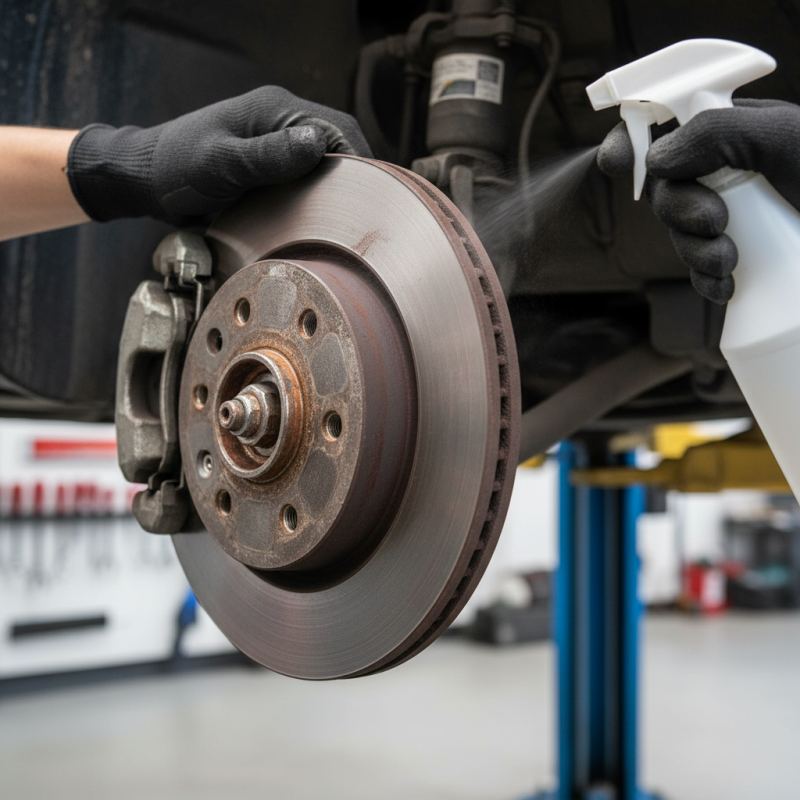
What Causes Brake Squeaking: An Overview of Common Factors
When brakes squeak, it can be frustrating. Various factors contribute to this annoying sound. One common cause is dust or debris trapped between the brake pads and rotors. This buildup can lead to vibrations and create a squeaking noise. It's essential to keep your brakes clean to prevent this issue.
Another factor could be worn-out brake pads. Over time, pads can thin out, causing metal to contact metal. This results in a distinct squeal when braking. Regular inspection of your brake components can help you catch this early. Sometimes, low-quality brake pads are the culprit as they tend to wear unevenly.
Moisture can also play a role. If your vehicle has been exposed to rain or high humidity, it may cause temporary squeaking. This usually resolves as you drive. Lastly, look out for improper installation. If brakes are not fitted correctly, they may not function smoothly. Making sure everything is in place is essential for optimal performance.
Understanding the Role of Brake Pad Material in Squeaking Sounds
Squeaky brakes can be annoying and concerning. Understanding the materials used in brake pads helps us figure out why this happens. Brake pads can be made from various materials like organic, metallic, or ceramic. Each material has different properties that affect how they perform and sound.
Metallic brake pads, for instance, can create more noise due to their composition, especially when they wear down. Organic pads tend to be quieter but may produce noise if they get wet. If your brakes squeak, it's crucial to inspect the brake pads for wear. Look for uneven surfaces or glazing, which can lead to more noise.
Here are some tips to fix squeaky brakes. First, ensure that brake pads are properly installed. Misalignment can cause noise. Next, consider applying anti-squeal shims or lubrication on contact points. This can reduce friction and noise significantly. Finally, if the problem persists, it may be time for a brake pad replacement. Regular maintenance is vital for a smooth driving experience. Remember, healthy brakes are safer brakes.
Impact of Moisture and Debris on Brake Performance and Noise
Moisture and debris are critical factors that significantly impact brake performance and the unpleasant noise of squeaking. When brakes engage, they generate heat. If moisture accumulates on the brake pads or rotors, it can create a thin layer of water. This layer interferes with proper contact, leading to vibrations that result in noise. According to industry reports, roughly 40% of all brake noise is attributed to environmental factors, including moisture.
Debris also plays a significant role in brake noise. Dust, dirt, and small particles may accumulate in the braking system. These contaminants can catch between brake pads and rotors. When brakes are applied, these particles cause an abrasive effect. Research indicates that up to 30% of brake-related issues can be traced back to debris interference.
Contamination from moisture and debris can lead to premature wear of brake components. This not only heightens the risk of noise but can also compromise overall safety. Routine inspections are vital. Addressing loose pads or accumulated debris early can prevent larger issues. Ignoring these factors may lead to costly repairs down the line. Taking a proactive approach can enhance the lifespan of brake systems while maintaining safe driving conditions.
How Worn Brake Components Contribute to Squeaking Noise
Worn brake components are a leading cause of squeaking noise when stopping. Over time,
brake pads lose their material due to friction and heat. This deterioration can lead to
metal-on-metal contact, which produces that dreaded squealing sound. It's a clear sign that your brake system may need
immediate attention.
Additionally, rust can build up on the rotors, especially if the vehicle is not driven regularly. This corrosion contributes
to high-pitched squeaks when the brakes engage. The dust and debris that accumulate on worn brake pads can also exacerbate the noise.
Signs of wear can include a grinding sound. It's essential to perform regular inspections to avoid larger issues later on.
Sometimes, new brake components may also squeak. Improper installation can lead to misalignment.
Dust shields that are bent or poorly positioned might scrape against the rotors. It’s critical to ensure every component is installed correctly.
Ignoring these sounds can lead to significant brake system damage. Pay attention to your vehicle's sounds. Reflecting on the condition of your brakes is vital for
safety.
Effective Solutions and Maintenance Tips to Prevent Brake Squeaking
Brake squeaking is a common issue that many vehicle owners encounter. Creating a solution begins with understanding the mechanics involved. In fact, over 70% of squeaking issues are due to dust and debris in the braking system. This can lead to compromised braking performance. Regular cleaning of brake parts can reduce this risk.
Aside from cleaning, proper lubrication of brake components is essential. A study indicates that approximately 30% of brake noise can be attributed to inadequate lubrication. Ensure that caliper slides and brake pads are well-greased to minimize friction-related noises. Materials used for brake pads can also make a difference; semi-metallic pads often emit less noise than organic pads.
Monitoring your brakes is vital. Consider checking them every 5,000 miles or after significant weather conditions. If squeaking persists, it raises questions about the integrity of your braking system. This could indicate worn-out components that require replacement. Listening to your vehicle can reveal key signs of a problem. Addressing these issues promptly reinforces reliability and safety on the road. Excessive wear can lead to costly repairs if not managed proactively.
Factors Contributing to Brake Squeaking
FAQS
: Squeaky brakes often result from worn components or improper installation. Metal-on-metal contact can create annoying sounds.
Brake pads can be organic, metallic, or ceramic. Each material affects performance and noise levels differently.
Check installation and alignment of brake pads. Applying anti-squeal shims can help reduce noise effectively.
Organic brake pads may produce noise when wet. Moisture can affect their performance and sound.
Yes, rust on rotors can lead to squeaking. Regular use of the vehicle helps prevent this buildup.
Grinding usually indicates severe wear. It’s important to inspect and possibly replace brake components immediately.
Regular inspections are essential for safety. It helps identify wear before it leads to more significant issues.
Sometimes new brakes squeak due to improper installation or misalignment. Ensure all components are positioned correctly.
Ignoring small sounds can lead to major problems later. Reflect on these noises to maintain safe brakes.
Conclusion
Brake squeaking is a common issue that drivers encounter, and understanding what causes brakes to squeak when stopping is essential for effective repair and maintenance. Various factors contribute to this noise, including the materials used in brake pads, which can create sound under pressure. Additionally, moisture and debris on brake components can interfere with performance, leading to unwanted noise. Worn brake parts also play a significant role, as their degradation can amplify squeaking sounds.
To prevent brake squeaking, regular maintenance is crucial. This includes inspecting brake pads and rotors for wear, ensuring proper cleaning of components, and addressing any issues promptly. By understanding the factors leading to this problem and implementing effective solutions, drivers can enhance their brake performance and enjoy a quieter, safer driving experience.

 DC-Link Auto