A car that drifts across a lane can feel minor, especially on a familiar road. Yet the question “why is my car pulling to one side” deserves more than a quick steering correction. Unequal tire pressure, uneven tread wear, a damaged tire, poor wheel alignment, or a sticking brake caliper can all change the vehicle’s path. Road crown may also create a temporary pull. That explanation is easy to miss.
The National Highway Traffic Safety Administration reported about 11,000 tire-related crashes and 738 deaths in 2016. Its tire-pressure research also showed why basic checks matter, since underinflation can reduce handling stability and increase heat buildup. The U.S. Tire Manufacturers Association recommends checking pressure when tires are cold and following the vehicle maker’s placard, not the tire’s maximum-pressure number. Small details matter here.
A practical inspection begins with tire pressure, tread depth, sidewall damage, and visible wear patterns. Then, a qualified technician should examine alignment angles, steering joints, wheel bearings, brakes, and suspension components. A pulling vehicle may not need an alignment alone. That shortcut can mislead. If the steering wheel vibrates, the car pulls sharply, or braking makes the drift worse, stop driving and arrange professional assistance. This guide compares the most reliable fixes for 2026, explains what each repair addresses, and shows where diagnosis can go wrong. I should acknowledge one limitation: without a road test and inspection, no online checklist can identify the exact failed component.
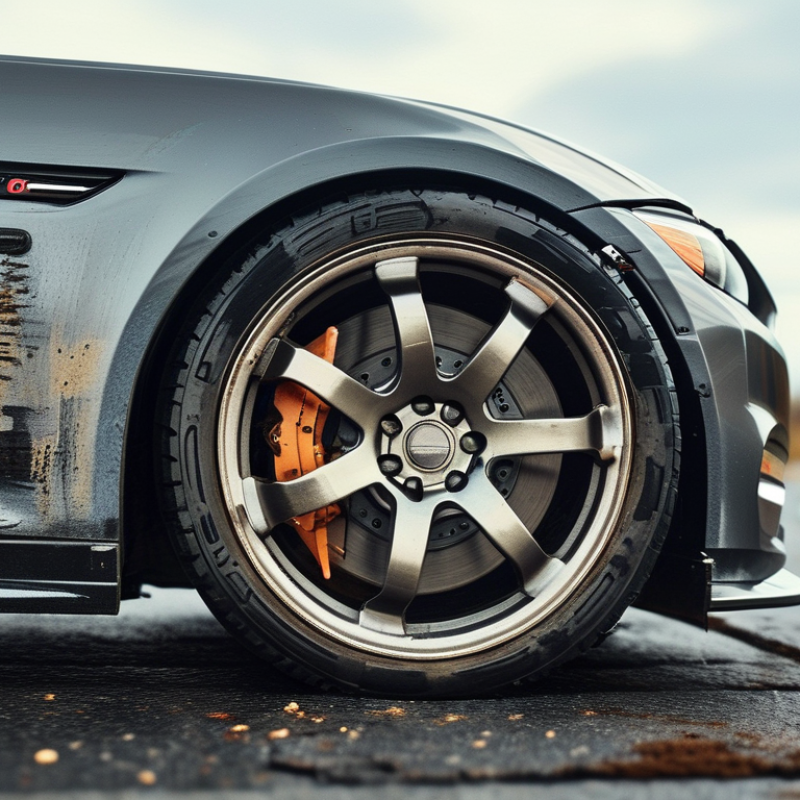
A car that pulls to one side can signal more than an annoying steering problem. It may begin after hitting a pothole, brushing a curb, or driving over uneven pavement. Uneven tire pressure is common, but a damaged tire, worn suspension joint, or misaligned wheel can create the same feeling. The first guess is often wrong.
Treat certain symptoms as urgent. If the steering wheel suddenly jerks, stop driving when traffic conditions allow. Do not continue if one tire looks low, bulged, cracked, or separated. Burning rubber, clunking noises, metal scraping, or strong vibration also deserve immediate inspection. A pull that worsens during braking may involve a sticking brake component, which can generate dangerous heat. Check carefully from a safe location. Avoid touching a hot wheel.
If the vehicle drifts gently on a crowned road, the road shape may be influencing it. Test only on a flat, quiet surface, with both hands ready and no sudden steering inputs. Compare tire pressures with the vehicle’s recommended cold pressures, not the number on the tire sidewall. If the pull remains, arrange a qualified inspection before a long trip. Ask the technician to check alignment angles, tire condition, steering parts, wheel bearings, and brake operation. Alignment alone may not fix it. That assumption can waste time and money.
| Observed Symptom | Most Likely Causes | Safety Priority | Immediate Checks | Recommended Fix or Next Step |
|---|---|---|---|---|
| Vehicle gradually drifts on a flat, straight road | Unequal tire pressure, uneven tire wear, road crown, or wheel-alignment error | Inspect soon | Check all tire pressures when cold against the vehicle placard; inspect tread and sidewalls; test on a level road | Correct pressure, rotate or replace damaged tires as appropriate, then obtain a four-wheel alignment if the drift remains |
| Car pulls strongly immediately after hitting a pothole or curb | Bent wheel, damaged tire, shifted alignment, or damaged steering and suspension component | Stop and inspect promptly | Look for bulges, cuts, exposed cords, a bent rim, fluid leakage, or visibly displaced components; do not crawl under an unsupported vehicle | Use roadside assistance or drive only if the vehicle is stable and the tire and wheel are safe; arrange a professional inspection |
| Pull begins or worsens during braking | Uneven brake friction, seized caliper, restricted brake hose, contaminated pad, or brake imbalance | Immediate inspection | Check for burning odor, smoke, abnormal wheel heat, brake warning lights, vibration, or increased stopping distance | Avoid continued driving if braking is uneven, the vehicle overheats, or stopping distance increases; have the complete brake system tested |
| Steering wheel is off-center while the car travels straight | Incorrect toe or camber, steering-wheel centering issue, uneven tire wear, or previous impact damage | Service soon | Confirm tire pressures and inspect tread; note whether the wheel is off-center consistently on a level road | Request an alignment measurement printout and correct the underlying worn or bent component before alignment adjustment |
| Vehicle wanders, feels loose, or needs constant steering correction | Worn tie-rod ends, ball joints, control-arm bushings, wheel bearings, or steering components | Do not delay inspection | Check for clunks, excessive play, uneven tire wear, steering vibration, or a change in handling over bumps | Have steering and suspension components checked with the vehicle safely lifted; replace worn parts before alignment |
| Pull occurs only when accelerating | Torque steer in some front-wheel-drive vehicles, unequal tire grip, worn drivetrain mount, or axle and suspension problem | Inspect if sudden or severe | Check tire condition and pressure; note whether the pull is accompanied by clicking, clunking, vibration, or power loss | Use gentle acceleration until diagnosed; seek inspection if the behavior is new, worsening, or accompanied by noise |
| Pull occurs mainly when the accelerator is released | Load-related movement in worn suspension or drivetrain mounts, alignment change, or tire conicity | Inspect soon | Observe whether the direction changes between acceleration and deceleration; check for clunks and uneven tread wear | Request a road test and inspection of mounts, suspension joints, tires, and alignment angles |
| One wheel is noticeably hotter or there is a burning smell | Dragging brake, seized caliper, restricted hose, or bearing problem | Stop driving when safe | Pull over safely; do not touch the wheel or brake rotor because temperatures can be high; watch for smoke or warning lights | Allow cooling and arrange professional recovery or inspection; continued driving can damage brakes, tires, or wheel components |
| Tire pressure warning appears or one tire repeatedly loses air | Puncture, leaking valve, wheel damage, bead leak, or temperature-related pressure change | Check before driving far | Measure pressure with a gauge; inspect for nails, cuts, sidewall bulges, and a visibly low tire | Inflate only to the placard pressure if the tire is undamaged; repair or replace the tire and investigate recurring leaks |
| Vehicle pulls with vibration at moderate or high speed | Wheel imbalance, bent wheel, tire belt damage, improper tire seating, or suspension wear | Reduce speed and inspect | Check for tire bulges, irregular tread, missing wheel weights, loose lug nuts, or recent wheel work | Avoid high speed until the wheel fasteners, tires, balance, and suspension have been professionally checked |
| Pull is accompanied by an ABS, stability-control, or steering warning light | Wheel-speed sensor fault, steering-angle calibration issue, electronic power-steering fault, or mechanical problem | Prompt diagnostic inspection | Note all warning lights and changes in steering or braking; check the owner’s manual for operating limits | Have diagnostic trouble codes and mechanical components evaluated; avoid driving if steering assistance or stability control is impaired |
| Pull is mild, consistent, and disappears after correcting tire pressure | Unequal inflation caused by normal air loss or temperature variation | Low priority after correction | Recheck pressures when tires are cold; monitor the same tire over several days | Maintain the placard pressure and arrange a leak inspection if pressure drops again; never use the maximum sidewall pressure as the normal target unless specified |
: Unequal tire pressure can change steering feel and cause a noticeable pull. Check all four tires when cold. Road slope can also imitate the problem.
Use the PSI printed on the driver-door placard. Do not use the tire sidewall’s maximum pressure. That number describes the tire, not the vehicle’s tested handling setup.
Park on level ground before driving. Remove each valve cap and press a reliable gauge firmly. Add air in short bursts, then measure again. Small errors matter.
Yes. A four-PSI difference across the front axle may cause noticeable drifting. A leaking valve core can create the imbalance. I might blame alignment too quickly.
Replace a tire near 2/32 inch of remaining tread. Measure three points across each tire. Do not inspect only the center groove.
Inner-edge wear may suggest alignment trouble. Shoulder wear can indicate incorrect pressure. Feathered edges may feel smooth one way and rough the other. Cupped patches resemble shallow dips.
Replace a tire with a sidewall bulge. Also inspect for cuts, exposed cords, nails, and repeated air loss. A bulge indicates internal damage. Do not treat it as temporary.
Inspect bent wheels, missing weights, mud inside the rim, and impact marks. Confirm matching tire size, load rating, and construction. A technician should check balance, alignment, brakes, and suspension. A hot wheel or burning smell needs prompt attention.
If you are wondering, “why is my car pulling to one side,” begin with safety. A sudden or strong pull, especially with steering vibration, unusual noises, burning smells, or difficulty controlling the vehicle, requires immediate inspection. Otherwise, park on a level surface and check all tire pressures against the values on the driver-door placard, not the maximum pressure printed on the tire. Inspect tread depth, keeping at least 2/32 inch, and look for uneven wear, bulges, cuts, or other damage.
Next, examine the wheels and tires for imbalance, incorrect sizing, or visible defects. A professional alignment test should compare camber, caster, and toe with the vehicle manufacturer’s specifications. If alignment readings are normal, the problem may involve a dragging brake caliper, worn steering or suspension joints, or bent components. Prompt diagnosis can prevent uneven tire wear, improve handling, and help keep a minor issue from becoming a serious safety concern.

 DC-Link Auto