A radiator is a crucial component of any vehicle's cooling system. It plays a vital role in regulating engine temperature. However, many vehicle owners often overlook it until problems arise. A common issue is cracking, which can lead to severe engine damage. Understanding what causes a radiator to crack is essential for maintaining vehicle health and safety. According to the Engine Builders Association, nearly 10% of all engine failures are due to cooling system issues.
Radiators can crack for various reasons, including age, corrosion, and thermal stress. In extreme temperature fluctuations, metal can expand and contract. This process damages the integrity of the radiator. Additionally, low coolant levels can lead to overheating, further increasing the risk of cracks. The National Institute for Automotive Service Excellence reports that regular maintenance can significantly reduce these issues.
Preventing radiator cracks requires diligent attention to vehicle care. Regular inspections and timely coolant changes are essential practices. Owners should also be aware of their driving conditions, which can impact radiator longevity. Taking proactive steps can save significant repair costs down the line. Ignoring potential problems may lead to unexpected breakdowns and costly repairs.
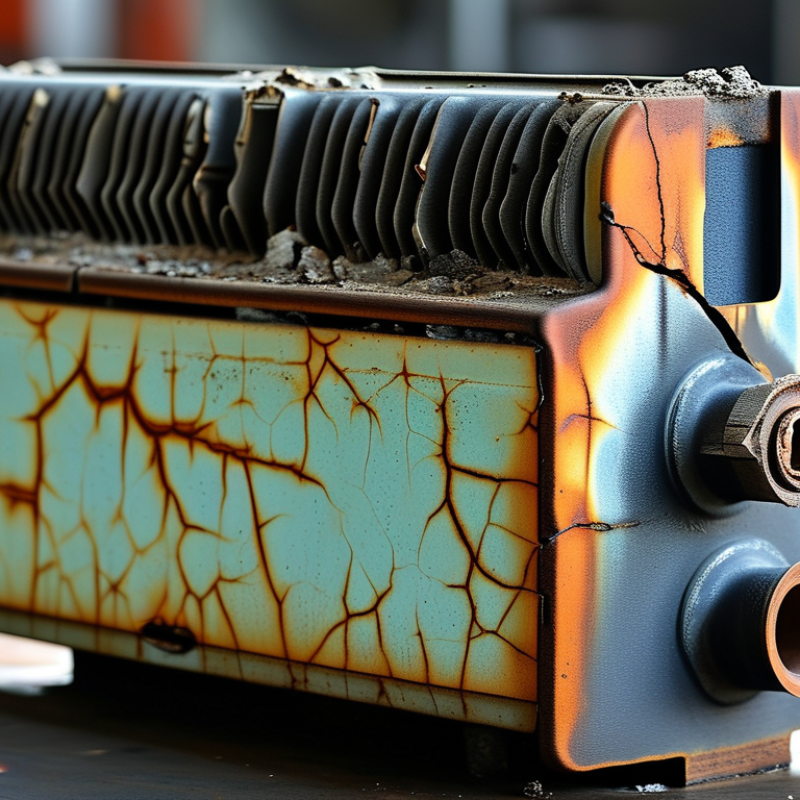
Radiators can crack for several reasons. Overheating is a common cause. When the engine runs too hot, it can stress the radiator. Extreme temperature changes can also contribute. A sudden plunge into cold water can shock the metal. These conditions create weaknesses over time.
Another factor is corrosion. Radiators, particularly those made of aluminum or copper, can rust. A buildup of rust weakens the structure. Neglecting regular maintenance can lead to this issue. Flushing the coolant system is crucial. It removes debris and prevents corrosion.
Monitoring coolant levels can help too. Low coolant levels lead to overheating risks. Be aware of leaks beneath your vehicle. They indicate problems that need attention. Careful management of your radiator can enhance its lifespan. Remember, even the most reliable systems can fail. Awareness and prevention are key.
A cracked radiator can lead to serious car troubles. Recognizing the signs early can save you money and stress. One common sign is coolant leakage. If you see puddles of green, orange, or red fluid under your vehicle, it’s time to investigate. Another indicator is overheating. Your engine may run too hot if the radiator isn’t functioning properly. Pay attention to temperature gauges to catch this early.
Strange noises can also signal radiator issues. A gurgling or hissing sound usually means air in the cooling system. This air can disrupt the flow of coolant and lead to overheating. Make sure to check your radiator and coolant levels regularly.
Tips: Always inspect for physical damage. Cracks and corrosion may be hard to spot. Use a flashlight to look closely. Regular maintenance is vital. Flushing the cooling system can prevent buildup that leads to cracks. If you notice any signs, consulting a mechanic is wise. They can offer advice tailored to your vehicle’s needs.
Preventing radiator damage requires attention to several key factors. Fluctuations in temperature lead to expansion and contraction, which can eventually create cracks. A study by the Engine Cooling Systems Association indicates that over 30% of radiator failures stem from temperature-related stress. Regular checks for signs of wear, such as corrosion or leaks, are essential. Addressing these issues early can extend the radiator's lifespan significantly.
Quality coolant plays a vital role. Industry data reveals that using the wrong type of coolant can lead to significant engine damage, often causing radiator failure within a few years. Ensure your coolant is filled to the correct level and matches your vehicle's requirements. Additionally, monitoring the engine temperature can help prevent overheating. If it consistently runs hot, this could signal radiator problems.
Proper maintenance also involves flushing the radiator every two years. This process removes debris and prevents clogging. Regularly inspecting hoses and connections for cracks or bulges is crucial, as these can indicate underlying issues. Radiators remain critical to engine health. Yet many drivers overlook simple preventive measures that could save considerable expenses and hassle in the long run.
Maintaining your vehicle's cooling system is essential for its longevity. A well-functioning radiator prevents overheating. Regular checks can identify potential issues early. Inspecting coolant levels is a straightforward task. Low coolant can lead to radiator cracking. Ensure the fluid is maintained at the recommended levels.
Another key technique involves inspecting hoses and connections. Look for signs of wear, such as cracks or leaks. Replace any damaged parts promptly to avoid greater issues. Clean the radiator's exterior to promote airflow. Dust and debris can hinder cooling performance. A clean radiator can significantly improve efficiency.
Be mindful of how you drive. Aggressive acceleration and constant stops can strain your engine. This added stress may lead to overheating. Understand your vehicle's temperature gauge. If it indicates overheating, take immediate action. Monitor the system consistently. Regular maintenance prevents costly repairs down the line. Recognizing early signs of trouble can save time and money.
| Cause of Cracking | Symptoms | Prevention Method | Recommended Maintenance |
|---|---|---|---|
| Age and Wear | Leaks in the cooling system, overheating | Regular inspections and timely replacement of old parts | Check coolant levels and replace fluid every 30,000 miles |
| Corrosion | Discolored fluid, rust particles | Use quality coolant and additives to prevent corrosion | Flush coolant system every 2 years |
| Overheating | Steam from engine, temperature gauge rising | Monitor engine temperature and maintain cooling system | Inspect cooling fans and replace thermostat if necessary |
| Physical Damage | Visible cracks or leaks in the radiator | Avoid road hazards and collisions | Regular visual inspections before long trips |
| Poor Quality Parts | Repeated repairs or failures | Invest in high-quality replacement parts | Research and select reputable suppliers |
A cracked radiator can lead to serious engine issues. Addressing this problem promptly is crucial. Common causes include rust, corrosion, and extreme temperature changes. Industry studies indicate that over 30% of radiators fail prematurely due to these factors. Inspecting your radiator regularly is essential. Look for signs of leaks or physical damage.
Repairing a cracked radiator can involve various methods. For small cracks, epoxy resin may suffice. It's important to clean the area thoroughly before applying the resin. Larger cracks often require welding, which calls for professional expertise. According to automotive repair surveys, unaddressed cracks can lead to costly engine repairs, increasing expenses by up to 50%.
Prevention is always better than repair. Regular coolant changes and avoiding overloading your vehicle can extend your radiator's life. Consider the environment too; extreme cold can weaken the material. Monitoring temperature fluctuations is key. Awareness can save time and money, ultimately reducing the risk of damage.
: Radiators can crack due to overheating and extreme temperature changes. Sudden cold water exposure shocks the metal.
Corrosion weakens radiators, especially those made of aluminum or copper. Rust buildup can occur without regular maintenance.
Common signs include coolant leakage and engine overheating. Look for puddles of fluid under your vehicle.
Regularly check coolant levels to avoid overheating risks. Low coolant can cause serious radiator issues.
Regular maintenance prevents issues like cracks and corrosion. Flushing the coolant system is essential for longevity.
Gurgling or hissing sounds mean air in the cooling system. Check your coolant levels and consult a mechanic if needed.
Inspect hoses and connections for wear. Keep the radiator clean to promote better airflow and efficiency.
Signs of wear, such as cracks or leaks, needed prompt replacement. Ignoring them can lead to serious issues.
Aggressive acceleration and constant stops can strain the engine, leading to overheating and potential radiator failure.
Take immediate action if the gauge shows overheating. Monitor the cooling system regularly and address problems early.
Understanding what causes a radiator to crack is crucial for vehicle maintenance. Factors such as extreme temperature fluctuations, corrosion, and physical damage can lead to cracks in the radiator. Recognizing common signs, such as overheating or visible leaks, can help drivers identify issues early.
To prevent radiator damage, regular maintenance of the vehicle's cooling system is essential. This includes checking coolant levels, inspecting for rust and debris, and replacing old hoses. Implementing these best practices can prolong the life of your radiator and maintain optimal vehicle performance. In case of a crack, timely repair is vital to avoid further complications.

DC-Link Auto