When facing clutch issues, you might wonder how to diagnose a slipping clutch. This problem can lead to significant vehicle performance issues. A slipping clutch often presents itself through specific symptoms, such as difficulty in shifting gears or an inconsistent acceleration response.
Understanding these signs is crucial for vehicle maintenance. Regular checks can save you from costly repairs. Many drivers overlook the importance of clutch health. It often seems like a minor issue until it impacts driving safety. Identifying a slipping clutch early can prevent further damage.
Observe your driving experience closely. Pay attention to any strange noises or changes in feel. These details matter greatly in diagnosing the issue. While you might rely on a mechanic, developing a basic understanding empowers you. Knowing how to diagnose a slipping clutch can lead to informed discussions about your vehicle's health. Trust in yourself, and don't hesitate to take action.
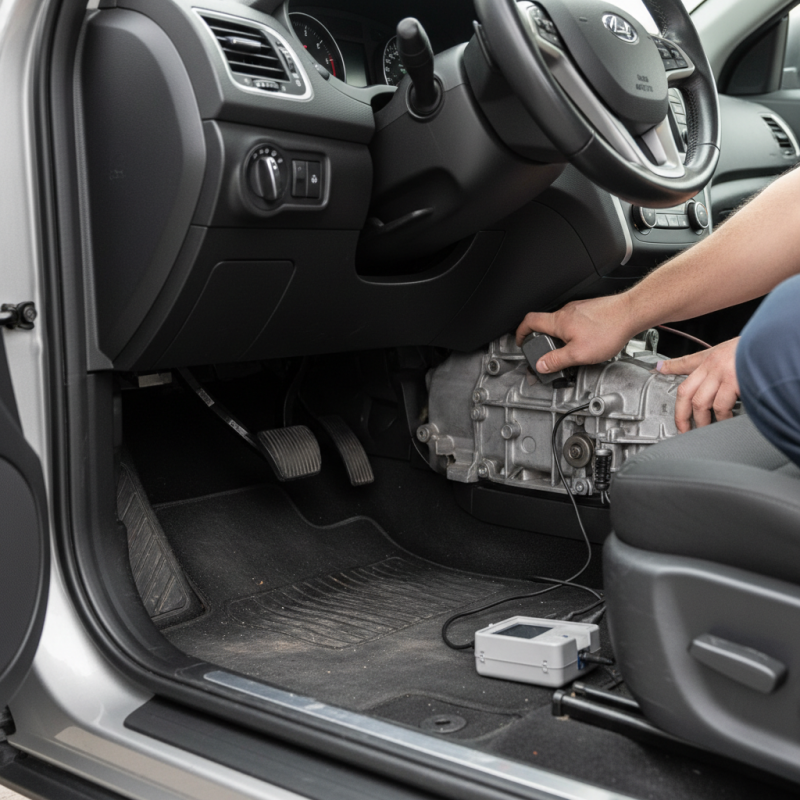
When your vehicle's clutch begins to slip, you may notice a few telltale signs. One common symptom is a noticeable loss of acceleration. You press the accelerator, but the engine revs without a corresponding increase in speed. This can be alarming. It may feel like you are driving a car with a flat tire, struggling to gain momentum.
Another symptom to watch for is unusual sounds. If you hear grinding noises or a high-pitched squeal when shifting gears, it could indicate a slipping clutch. These sounds often suggest that the clutch components are wearing down and need your immediate attention. Pay close attention to how the clutch pedal feels. If it feels spongy or sticks, there's a good chance something is amiss under the hood.
Vibrations can also indicate issues. You may feel the car shudder when shifting gears. It’s disconcerting and hard to ignore. These symptoms point to a problem that requires professional evaluation. Regular checks can prevent worsening conditions. Ignoring these signs could lead to significant repairs later. Remember, understanding these symptoms is your first step toward addressing a slipping clutch.
When diagnosing a slipping clutch, having the right tools is essential. A clutch slip can be complex, often leading to inefficient power transfer. To effectively diagnose this issue, you'll need a few key tools. A torque wrench allows you to measure the amount of force applied accurately. This ensures all measurements are precise when evaluating the clutch's performance.
A multimeter can also play a critical role. It helps check the electronic components tied to the clutch. With around 15% of clutch issues related to electrical problems, this tool can help identify hidden faults. Additionally, a jack and jack stands are crucial. They provide safe access to various vehicle components. Proper access allows for thorough examination of the clutch system.
Consider investing time in understanding these tools. Misjudgment could lead to overlooking significant signs of wear. A good guideline is to check for visible signs of wear, such as cracks in the clutch disc or fluid leaks. Many professionals recommend conducting regular checks. According to industry data, 60% of manual transmission issues stem from clutch problems. Taking proactive steps can extend the lifespan of your vehicle's transmission system.
| Tool | Purpose | Notes |
|---|---|---|
| Torque Wrench | To measure the correct torque while adjusting the clutch | Ensure it is calibrated to avoid over-tightening. |
| Clutch Alignment Tool | To align the clutch disc with the pressure plate | Necessary for ensuring proper installation. |
| Vehicle Diagnostic Scanner | To check for error codes related to clutch performance | Can help identify electronic clutch issues if applicable. |
| Ruler or Measuring Tape | To measure clutch pedal free play | Check manufacturer specifications for free play limits. |
| Flashlight | To inspect the clutch components in hard-to-see areas | A bright LED is recommended for better visibility. |
| Multimeter | To check the electrical parts associated with clutch operation | Useful for troubleshooting electronically controlled units. |
Diagnosing a slipping clutch involves a few detailed steps.
Start by observing your vehicle during acceleration. If the engine revs higher without a corresponding increase in speed,
the clutch might be slipping. Listening closely can also reveal
abnormal sounds. Unusual noises are a common symptom that shouldn't be overlooked.
Next, check the pedal feel. A soft or spongy clutch pedal may indicate an issue with
the hydraulic system. Pay attention to the release point of the pedal. If it feels higher than usual,
that can signal a problem. Sometimes, minor adjustments to the clutch cable can help. However, other times, it may require
a more in-depth inspection.
Finally, inspect the clutch fluid. Dark or contaminated fluid can
affect performance. Ensure that you look for leaks around the master cylinder
and slave cylinder. These areas are prone to issues and can lead to more significant
problems if ignored. Remember, identifying the problem early can prevent costly repairs. Taking the time to analyze
these symptoms may save you in the long run.
Understanding the components of your vehicle's clutch is essential. A clutch engages and disengages the engine from the wheels. It consists of several parts, like the pressure plate, clutch disc, and release bearing. Each part plays a crucial role in ensuring smooth operation. When any of these components wear down, problems arise.
The pressure plate applies force to the clutch disc against the flywheel. If it's weak, the clutch may slip when you accelerate. The clutch disc, made of friction material, grips the flywheel. Over time, this material can erode. This erosion leads to reduced friction and the infamous slipping sensation. The release bearing helps disengage the clutch when you press the pedal. If it wears out, it may cause chatter or noise.
Understanding these components helps diagnose issues early. Observing strange sounds or difficulty shifting gears can indicate a problem. Keep an eye on your clutch behavior while driving. Noticing subtle changes can save you from costly repairs down the line. It's always valuable to have your vehicle checked by a professional if you suspect clutch issues.
A slipping clutch can cause significant issues in your vehicle. Recognizing the right time to seek professional help is crucial for maintaining your car's performance. If you notice unusual sounds or a spongy pedal feel, it’s a sign something isn’t right. Delaying action might worsen the problem. You might think it’s a minor issue, but it can lead to bigger repairs later.
Consult a mechanic if your vehicle hesitates or struggles during acceleration. A slipping clutch can impact fuel efficiency. Don't ignore a burning smell either; it often indicates wear and tear. Your safety is paramount. Take the step to have it checked. Trust your instincts; if something feels off, get a professional opinion. Relying on expertise can save you time and money in the long run.
: If the engine revs higher without increasing speed, the clutch may be slipping.
Abnormal sounds while driving often signal clutch issues. Don’t ignore these noises.
A soft or spongy pedal may suggest problems with the hydraulic system.
A higher than normal release point can signify a problem with the clutch.
Look for dark or contaminated fluid. Leaks around cylinders can cause significant problems.
Knowing the pressure plate, clutch disc, and release bearing helps diagnose issues early.
A weak pressure plate can cause the clutch to slip when accelerating.
Eroded friction material reduces grip, leading to slipping sensations.
These symptoms could point to an underlying clutch issue that needs attention.
Early inspection can prevent costly repairs from worsening clutch problems.
Diagnosing a slipping clutch in your vehicle is essential for maintaining optimal performance. To learn how to diagnose a slipping clutch, you should first recognize common symptoms, such as difficulty in shifting gears, an increase in engine RPM without a corresponding increase in speed, or unusual noises while engaging the clutch. Having the right tools is crucial for an effective diagnosis, including a jack, jack stands, and basic hand tools.
The process involves step-by-step procedures to thoroughly assess clutch components, such as the pressure plate, disc, and release bearing, to identify any issues. Understanding the function of these components will help you pinpoint the problem more accurately. If after your assessment the problem remains unclear or repair exceeds your expertise, it's advisable to seek professional help to avoid further complications. By following these guidelines, you can effectively determine how to diagnose a slipping clutch in your vehicle.

DC-Link Auto