How to Increase Engine Horsepower Without a Turbo in 2026?

Time:2026-09-12 Author:Liam
0%

How to increase engine horsepower without a turbo is a practical question for drivers who value response, sound, and mechanical simplicity. A naturally aspirated engine can gain power through better airflow, precise fueling, reduced restrictions, and carefully matched engine parts. However, no single modification transforms every engine. Results depend on displacement, compression, camshaft design, fuel quality, and factory calibration.

This guide examines proven methods, including a high-flow air intake, a properly designed exhaust system, cylinder-head improvements, performance camshafts, and ECU tuning. Each change must support the others. A large throttle body may look impressive, yet it can deliver little power on a stock engine. A dyno test can reveal that difference through measured torque and horsepower, rather than optimistic advertising. Small gains still matter.

Reliable recommendations should come from manufacturer data, qualified engine builders, and repeatable testing. Safety matters too. Excessive ignition timing or an overly lean mixture can create dangerous heat and detonation. Street vehicles must also meet local emissions, noise, and inspection requirements. Some modifications sound excellent but reduce drivability, fuel economy, or long-term reliability. That trade-off deserves honest attention. Even experienced enthusiasts make assumptions that later prove wrong. This article explores realistic upgrades, expected limitations, installation considerations, and ways to protect the engine while pursuing stronger performance without forced induction.
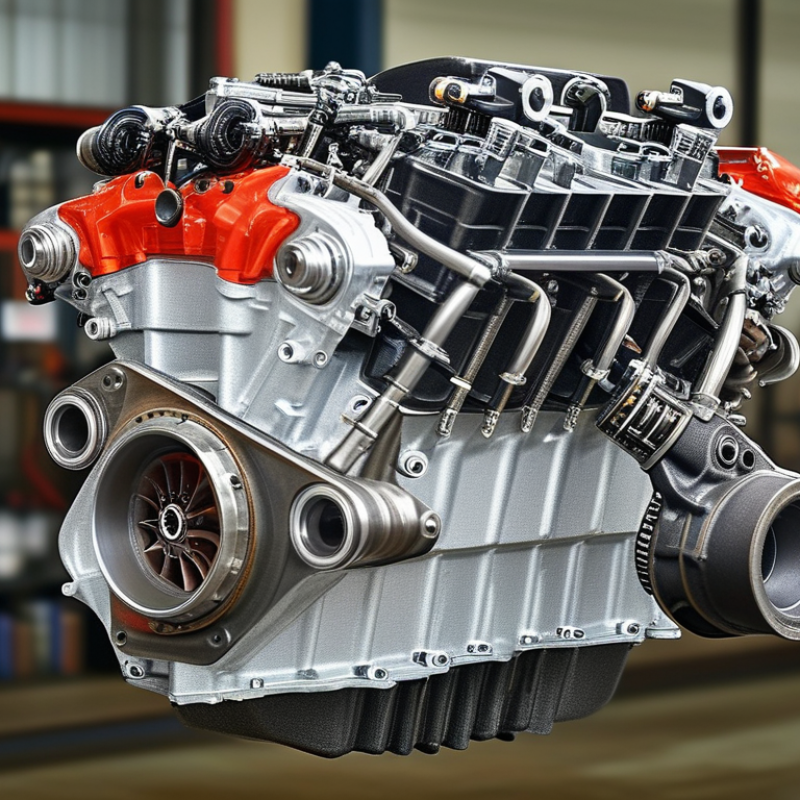
How to Increase Engine Horsepower Without a Turbo in 2026?

Understanding Naturally Aspirated Horsepower and Engine Limitations

How to Increase Engine Horsepower Without a Turbo in 2026?

Naturally aspirated horsepower begins with airflow, not software alone. More displacement can add torque, but it also increases weight, friction, and fuel demand. The U.S. EPA’s 2024 Automotive Trends Report recorded average new-vehicle power near 252 horsepower. That figure reflects decades of improved combustion, airflow, and electronic control.

A practical naturally aspirated build needs a balanced air path. A less restrictive intake, carefully designed headers, and a tuned exhaust can improve volumetric efficiency. A performance camshaft may increase valve duration, but low-speed drivability can suffer. Higher compression also helps thermal efficiency. However, it demands suitable fuel, precise ignition timing, and strong knock control.

Horsepower equals torque multiplied by engine speed, divided by 5,252. Therefore, a naturally aspirated engine often gains power by producing torque at higher rpm. SAE J1349 defines standardized correction conditions for measuring engine power, which makes test results more comparable. Real garage results may differ.

There are hard limits. Atmospheric pressure restricts the maximum air entering each cylinder. Heat, friction, valve float, and piston speed eventually reduce reliability. The U.S. EPA’s 2023 Automotive Trends Report also shows why emissions constraints matter: modern engines must balance power with fuel economy and regulated pollutants. I have seen dyno claims that look impressive, yet ignore temperature, correction factors, or drivetrain loss. That is not useless, but it needs skepticism.

Improving Airflow Through Intake and Cylinder Head Upgrades

How to Increase Engine Horsepower Without a Turbo in 2026?

Improving airflow begins with the intake, not a louder filter. A 2.0-liter four-stroke engine turning 6,000 rpm theoretically moves about 212 cubic feet of air per minute. Restrictions reduce that potential. A smoother intake path, correctly sized tubing, and a sealed cold-air source can improve cylinder filling without harming drivability. The U.S. Department of Energy’s Vehicle Technologies Office identifies pumping and airflow losses as important efficiency factors in internal-combustion engines. However, larger is not always better. Excessive intake volume can weaken low-speed response.

Cylinder head work often delivers more meaningful gains. Port reshaping should remove sharp transitions around the valve seat, while preserving enough air velocity for street use. A professional flow bench can measure changes at multiple valve lifts. SAE J1349 provides a standardized method for correcting engine power measurements, including temperature and pressure effects. That matters when comparing before-and-after results. Numbers can mislead.

In practical testing, a well-matched intake and head package may produce stronger midrange torque before peak horsepower rises. The improvement is felt when climbing a grade, not only on a dyno sheet. Valve size, camshaft timing, compression ratio, and exhaust flow must agree. I have seen polished ports look excellent yet flow worse. The lesson is uncomfortable: appearance is not airflow. Tune fuel delivery and ignition timing after hardware changes, then verify power under repeatable SAE conditions.

Optimizing Fuel Delivery, Ignition Timing, and Engine Calibration

How to Increase Engine Horsepower Without a Turbo in 2026?

More horsepower can come from better control, not forced induction. Start by checking fuel delivery under load. A clogged filter, weak pump, or dirty injector can reduce power quickly. Measure fuel pressure during a pull, not only at idle. A wideband oxygen sensor helps verify the air-fuel mixture across the rev range. Do not chase a lean mixture for peak numbers. It can increase heat and engine stress.

Ignition timing needs careful adjustment. Adding timing may improve torque, but excessive advance can trigger knock and damage pistons. Use knock monitoring, stable fuel, and repeated data logs. Engine calibration should match airflow, injector capacity, throttle response, and operating temperature. A chassis dynamometer offers useful evidence, although dyno results can vary between sessions. I once trusted a strong seat-of-the-pants improvement that produced little measured power. That mistake changed how I evaluate tuning.

Tips: Change one setting at a time. Record temperature, fuel pressure, timing, and oxygen readings. Keep conservative limits. A smooth torque curve is often more useful than one impressive peak. Inspect spark plugs after testing, but do not treat plug color as perfect evidence. When results conflict, repeat the test and question the measurement. Calibration takes patience.

How to Increase Engine Horsepower Without a Turbo in 2026

Representative naturally aspirated 2.0L gasoline engine output after optimizing fuel delivery, ignition timing, and engine calibration.

The example begins with a 200 hp baseline. Improving fuel delivery, refining ignition timing, and applying engine calibration can produce modest gains when the engine has sufficient airflow and is tuned for the available fuel. Results vary with compression ratio, intake and exhaust design, fuel quality, ambient conditions, and engine condition.

Reducing Mechanical Losses with Exhaust and Internal Engine Improvements

Increasing engine horsepower without a turbo often begins with reducing wasted energy. A well-designed exhaust system can help gases leave the cylinders with less resistance. Tuned headers, smooth bends, and correctly sized tubing matter more than simply choosing larger pipes. An oversized system may reduce exhaust velocity and weaken low-speed torque. Use a compliant catalytic converter and confirm local noise and emissions requirements before making changes.

Internal improvements can reduce friction and improve combustion efficiency. Low-friction piston rings, careful cylinder honing, and properly measured bearing clearances help the crankshaft turn more freely. A balanced rotating assembly also reduces vibration at higher engine speeds. Lightweight valve-train components can improve control, but excessive reduction may reduce durability. Precision matters here. A small measurement error can create expensive damage.

I would test each change on a dynamometer, while recording air-fuel ratio, oil temperature, and ignition behavior. Seat-of-the-pants impressions are unreliable. A freer exhaust may sound stronger without producing more power. That result can feel disappointing. Compression increases, improved valve timing, and a calibrated engine controller may add useful horsepower, but they must work together. Higher compression can also require suitable fuel and stricter temperature control. Conservative tuning usually delivers better reliability than chasing a dramatic peak number.

Balancing Performance Gains with Reliability, Emissions, and Legal Requirements

How to Increase Engine Horsepower Without a Turbo in 2026?

A naturally aspirated engine can gain power through better airflow, careful calibration, and reduced heat. A high-flow intake may help, but only when it receives cool air. A properly designed exhaust can improve breathing without creating excessive noise. Higher compression or revised cam timing may deliver stronger gains, yet these changes increase stress and tuning demands. In my experience, modest upgrades often feel better than aggressive parts that shorten engine life. More power is not always better.

Tips: Begin with a compression test and maintenance check. Use a reputable dynamometer for before-and-after measurements. Monitor oil temperature, coolant temperature, and fuel mixture during testing. Choose components with documented durability. Ask a qualified technician to verify safe ignition timing. Keep the original parts, if possible. Plans change.

Reliability must remain part of the performance target. Extra power can expose weak cooling systems, worn transmissions, or inadequate brakes. A calibrated engine should start cleanly, idle smoothly, and behave consistently in traffic. It should also meet applicable emissions standards. Removing emissions equipment or disabling diagnostic systems can create legal problems and environmental harm. Requirements differ by location, so confirm inspection rules before buying parts. Certified replacement components are safer choices. I would accept a smaller dyno number for dependable daily driving. A car that overheats in summer is not truly faster.

FAQS

What is naturally aspirated horsepower?

It is engine power produced without a turbocharger or supercharger. The engine relies on atmospheric pressure to fill its cylinders. Airflow matters most.

Can a larger engine always produce more horsepower?

More displacement can increase torque and power potential. However, it also adds weight, friction, and fuel demand. Bigger is not automatically better.

Which intake changes can improve naturally aspirated power?

Use smooth tubing, suitable diameter, and a sealed cold-air source. An oversized intake may weaken low-speed response. Louder is not always faster.

How can cylinder head work increase power?

Careful port reshaping can improve airflow around the valve seat. A flow bench should measure several valve lifts. Polished ports can still flow worse.

Does a performance camshaft always improve the engine?

A longer valve duration can increase high-rpm power. It may also reduce low-speed drivability and idle quality. The compromise is real.

Can higher compression increase naturally aspirated horsepower?

Higher compression can improve thermal efficiency and torque. It requires suitable fuel, precise ignition timing, and reliable knock control. Small mistakes become expensive.

How should fuel and ignition tuning be checked?

Measure fuel pressure during a full-load pull, not only at idle. Use oxygen readings, knock monitoring, and repeated data logs. Do not chase a lean mixture.

Why do dyno results sometimes disagree with driving impressions?

Temperature, pressure, correction factors, and drivetrain losses affect measurements. A strong seat-of-the-pants feeling may show little measured improvement. I was wrong once.

What are the main limits of a naturally aspirated engine?

Atmospheric pressure limits cylinder filling. Heat, friction, valve float, and piston speed eventually reduce reliability. More rpm is not free power.

How can testing produce more trustworthy results?

Change one setting at a time. Record temperature, fuel pressure, timing, and oxygen readings. Repeat conflicting tests. Numbers need skepticism.

Conclusion

Learning how to increase engine horsepower without a turbo begins with understanding the limits of a naturally aspirated engine. Power comes from moving more air, adding the correct amount of fuel, and creating efficient combustion. Upgrading the air intake, improving cylinder head flow, and selecting suitable valve and camshaft specifications can help the engine breathe more effectively. These changes should be matched with precise fuel delivery, ignition timing, and professional calibration to maintain smooth operation and avoid excessive cylinder pressure or heat.

Additional gains may come from a well-designed exhaust system, reduced friction, balanced rotating components, and carefully chosen internal engine improvements. However, horsepower upgrades should always be balanced with reliability, drivability, fuel economy, emissions compliance, and local legal requirements. A properly planned combination of airflow, combustion control, and mechanical efficiency is usually more effective than installing isolated parts. With realistic goals and regular maintenance, how to increase engine horsepower without a turbo becomes a practical process focused on efficiency, durability, and responsible performance.

Liam

Liam

Liam is a dedicated marketing professional with a profound expertise in the industry, where he excels at highlighting the unique advantages of our core products. With a keen understanding of market trends and consumer needs, Liam frequently updates our company’s professional blog, providing......