China Best Turbocharger How to Maintain It for Long Life?

Time:2026-10-26 Author:Aria
0%

A turbocharger can transform a vehicle’s performance, but its service life depends on daily care. Even a high-quality China turbocharger needs clean oil, steady airflow, and correct operating temperatures. The turbine may spin above 100,000 revolutions per minute. Small maintenance mistakes can therefore create expensive damage.

This guide explains how to maintain a turbocharger for longevity through practical workshop habits. Use the manufacturer’s recommended oil grade and replace the oil filter on schedule. Inspect intake hoses for cracks, loose clamps, and dusty connections. Check the air filter before it becomes visibly dirty. After long, demanding drives, allow the engine to idle briefly when appropriate. This helps reduce heat stress around the turbocharger bearings.

Experienced technicians also listen for changes. A new whistle, grinding sound, blue smoke, or slow acceleration deserves attention. These signs do not always prove turbocharger failure, but ignoring them can worsen the problem. A qualified professional should check shaft play, oil leaks, boost pressure, and exhaust condition. Diagnostic equipment provides stronger evidence than guesswork.

A perfect maintenance routine rarely exists. Drivers may forget one inspection or delay a service appointment. That is why simple records matter. Note the oil change date, mileage, filter replacement, and unusual sounds. Reliable turbocharger care combines manufacturer guidance, trained inspection, and careful driving. With consistent attention, a turbocharger can deliver strong response and dependable performance for many years.
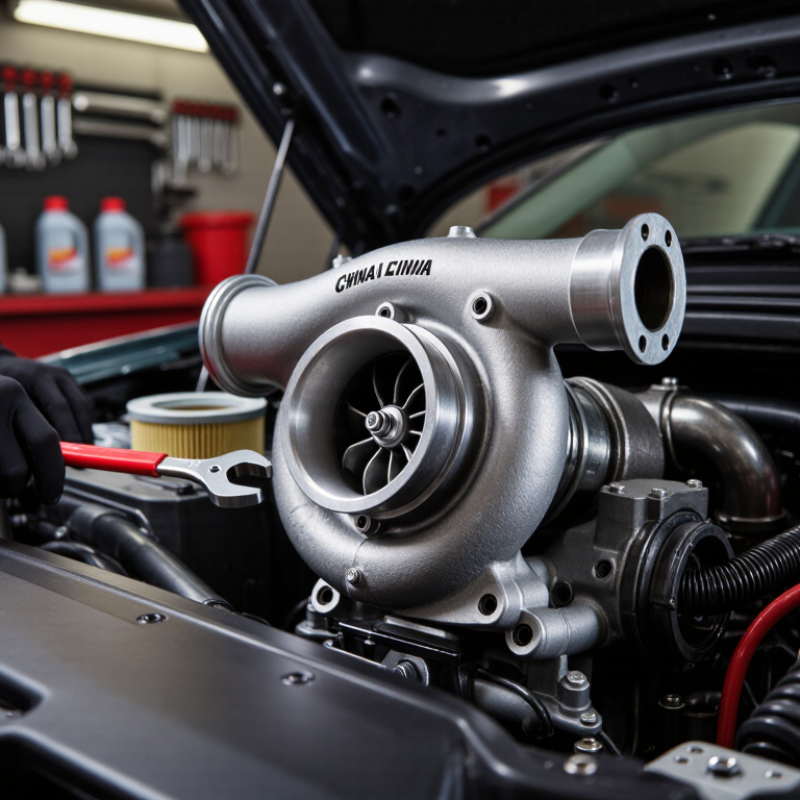
China Best Turbocharger How to Maintain It for Long Life?

Identify Turbocharger Limits: 150,000–300,000 rpm and 900°C Exhaust Heat

China Best Turbocharger: How to Maintain It for Long Life?

A turbocharger can spin between 150,000 and 300,000 rpm. Its turbine inlet gas may approach 900°C during heavy operation. SAE International technical papers on high-speed turbocharging describe extreme shaft speed, thermal stress, and bearing sensitivity. These figures are operating limits, not targets. Actual values depend on engine load, fuel, boost pressure, and turbine design. A turbo running beyond its compressor map may surge, overheat, or suffer rapid bearing wear. Small warning signs matter.

In workshop practice, dirty oil often causes more damage than dramatic failures. Replace oil and filters according to the engine maker’s schedule. Use the specified oil grade. Check the oil feed pipe for carbon deposits. A restricted line can starve the bearing within seconds. Let the engine idle briefly after sustained high-load driving. Instant shutdown can trap heat inside the center housing. This advice is simple, but it is often ignored.

Tips: Keep the air filter clean and inspect hose clamps for leaks. Listen for a new siren-like sound. Check blue smoke, rising oil use, or weak boost promptly. Measure temperature carefully; an infrared gun may read the housing, not turbine gas. Industry durability studies published through SAE also show that contamination and thermal cycling accelerate component fatigue. I would not treat 900°C as a universal ceiling. It is a serious reference point, not a promise of safe operation.

Select the Correct Oil: Follow SAE Grades and OEM HTHS Requirements

China Best Turbocharger: How to Maintain It for Long Life?

Correct oil selection begins with the turbocharger’s operating conditions. Use the viscosity listed in the vehicle’s service manual, not a guess based on climate alone. SAE J300:2024 sets minimum HTHS viscosity values of 2.6 mPa·s for SAE 20, 2.9 mPa·s for SAE 30, and 3.5 mPa·s for SAE 40 oils. HTHS describes oil strength under high temperature and intense shear, similar to conditions inside a turbocharger bearing. A thinner oil may improve fuel economy, but it can fail the engine maker’s protection requirement. That trade-off deserves attention.

Read both parts of the oil specification. The “0W” or “5W” rating supports cold starting, while “20,” “30,” or “40” indicates high-temperature viscosity. The OEM HTHS requirement remains critical.

If the manual requires at least 3.5 mPa·s, selecting a fuel-saving oil below that level may increase bearing wear. Laboratory results from ASTM D4683 or D4741 testing help verify HTHS performance, but packaging claims still require careful checking.

Small details matter.

In workshop practice, I check the oil level after the engine rests on level ground. Overfilling can increase aeration, while low oil exposes the turbocharger to heat and starvation. Change intervals should follow the severe-service schedule when driving in dust, traffic, or frequent short trips. I once treated the recommended interval as universal. That was too simplistic. Oil condition depends on heat, fuel dilution, and maintenance history.

Replace Oil and Filters Within the Recommended 5,000–15,000 km Interval

China Best Turbocharger: How to Maintain It for Long Life?

A turbocharger depends on clean oil, stable pressure, and proper engine temperatures. Replace the engine oil and oil filter every 5,000–15,000 km, following the vehicle manufacturer’s recommended interval. Do not guess. Heavy traffic, dusty roads, frequent towing, and short trips may require earlier service. During an oil change, use the specified oil grade and check the filter seal carefully. A loose seal can cause a slow leak near the turbocharger. I have seen engines run normally while their oil looked thick and gritty. That small warning was easy to miss.

Replace the air filter at its scheduled interval, especially when driving on unpaved roads. A blocked filter can reduce airflow and increase stress on the turbocharger. Inspect the intake hose for cracks, loose clamps, or oily dust around joints. A thin oil film may be normal, but excessive oil needs professional diagnosis. Before switching off after hard driving, let the engine idle briefly so heat can stabilize. This habit is useful, though not every vehicle needs the same waiting time. Check the owner’s manual and service records instead of relying on memory. Clean oil helps, but careless installation can still shorten turbocharger life.

China Best Turbocharger: How to Maintain It for Long Life?

Regular oil and filter replacement helps maintain clean lubrication and stable oil flow through the turbocharger. The intervals below are general service ranges; always follow the vehicle and engine manufacturer’s maintenance schedule.

Maintain Airflow: Keep Intake Restriction Below the Manufacturer’s Limit

China Best Turbocharger: How to Maintain It for Long Life?

Maintain Airflow: Keep Intake Restriction Below the Manufacturer’s Limit

A turbocharger depends on a steady, clean air supply. Excessive intake restriction makes the compressor work harder. It can also reduce engine power and increase shaft speed. Check the manufacturer’s restriction limit, not a guessed number. Use a calibrated restriction gauge near the turbocharger inlet. A dirty filter may look acceptable from outside. It can still be blocked inside.

Inspect the air filter during scheduled service, especially after dusty work. Replace it when restriction reaches the specified limit. Do not clean disposable paper elements with high-pressure air. Small tears may escape a quick visual check. Examine the intake hose for soft spots, collapsed sections, and loose clamps. Even a small leak after the filter can draw unfiltered dust into the compressor. That damage often begins quietly.

Cool Down Safely: Idle for 30–120 Seconds After Heavy Loads

China Best Turbocharger: How to Maintain It for Long Life?

After towing, climbing, or sustained high-speed driving, do not switch the engine off immediately. Let it idle for 30–120 seconds, depending on load and temperature. The turbocharger may still spin above 100,000 rpm, as documented in SAE technical literature. Sudden shutdown stops oil circulation while hot components remain exposed to heat. That can accelerate oil coking around the bearing housing. I once treated every stop the same way. That was careless.

A short idle period lets exhaust temperatures and shaft speed fall gradually. Heavy towing deserves closer to two minutes. Gentle city driving may need only 30 seconds. Argonne National Laboratory’s Idle Reduction Technology Field Test reports typical engine idling consumption of about 0.25 gallons per hour for gasoline engines and 0.5 gallons for diesel engines. A two-minute cooldown therefore uses roughly 0.008–0.017 gallons, a small cost compared with turbocharger repairs. Avoid pressing the accelerator during this wait. Keep the vehicle outdoors, watch the gauges, and follow the engine maker’s service schedule. The interval is not magic. Ambient heat, oil condition, altitude, and driving load still matter.

China Best Turbocharger: How to Maintain It for Long Life? — Cool Down Safely After Heavy Loads
Driving Condition Typical Turbocharger Load Recommended Idle Time Before Shutdown What the Driver Should Do Maintenance Reason
Normal city driving Low to moderate boost with frequent speed changes About 30 seconds Stop safely, allow the engine to idle briefly, and avoid revving before switching off. Provides a gradual transition from operating temperature to shutdown and allows oil circulation to continue briefly.
Steady highway cruising Moderate, continuous engine and exhaust heat About 30–60 seconds Reduce speed during the final part of the trip when possible, then idle before shutdown. Helps reduce the rate of temperature change in the turbocharger and surrounding components.
Long uphill driving or towing High engine load and elevated exhaust-gas temperature About 60–90 seconds Park safely, keep the engine at normal idle speed, and do not increase engine speed while waiting. Allows heat to dissipate progressively while lubricating oil continues to move through the turbocharger.
High-speed driving followed by a stop High turbocharger shaft speed and high thermal load About 60–120 seconds Use a gentle final section of driving when possible, then allow a longer idle period before shutdown. Reduces thermal shock and helps limit heat soak after the engine is switched off.
Repeated acceleration or heavy hauling Frequent boost events and sustained exhaust heat About 60–120 seconds Wait until the engine is idling smoothly; avoid immediate shutdown after the final hard acceleration. Supports a controlled cooldown of the turbine housing, bearings, oil passages, and nearby components.
Short, light trip Low turbocharger and exhaust-system heat Usually not required After parking safely, the engine may normally be switched off without an extended cooldown period. A long idle period is generally unnecessary when the engine has not been subjected to high load or high temperature.
Important: The 30–120 second guideline is a practical rule for vehicles without a manufacturer-specified cooldown procedure. Always follow the vehicle service manual, use the correct engine oil and oil-change interval, keep the air and oil filtration systems clean, and investigate unusual smoke, noise, oil consumption, or loss of boost.

FAQS

How fast can a turbocharger spin?

It may spin between 150,000 and 300,000 rpm. These are operating limits, not performance targets. Actual speed depends on load, boost, fuel, and turbine design.

How hot can turbocharger exhaust gas become?

Exhaust gas may approach 900°C during heavy operation. Treat this as a serious reference point, not a universal safe ceiling. Measurements can vary significantly.

What happens when a turbocharger exceeds its operating range?

It may surge, overheat, or develop rapid bearing wear. Weak boost and unusual noise can appear first. Small warnings matter.

Which oil should be used for a turbocharged engine?

Follow the vehicle manual’s viscosity and protection requirements. Cold-start ratings and high-temperature viscosity both matter. A thinner oil is not automatically safer.

Why is high-temperature oil strength important?

Turbocharger bearings face intense heat and shear. Oil with insufficient high-temperature strength may increase wear. Fuel economy should not override the engine’s protection requirement.

How often should the oil and filter be replaced?

A common interval is 5,000–15,000 kilometers. Follow the vehicle maker’s schedule. Dust, towing, traffic, and short trips may require earlier changes.

What should be checked during an oil change?

Confirm the oil level on level ground after the engine rests. Inspect the filter seal and oil feed pipe. Carbon deposits can restrict oil flow within seconds.

Should the engine idle after hard driving?

Let it idle briefly after sustained high-load driving. This helps heat stabilize inside the turbocharger housing. The exact waiting time depends on the vehicle. Not always identical.

What intake problems can damage a turbocharger?

Check the air filter, intake hose, and hose clamps. Cracks or loose joints can reduce airflow. Oily dust around a joint deserves attention.

Which signs suggest possible turbocharger trouble?

Listen for a new siren-like sound. Watch for blue smoke, rising oil use, or weak boost. An infrared thermometer may read the housing, not exhaust gas. I would not diagnose from one reading alone.

Conclusion

Learning how to maintain a turbocharger for longevity starts with understanding its demanding operating conditions. A turbocharger may spin between 150,000 and 300,000 rpm while handling exhaust temperatures of up to 900°C, so correct lubrication and regular servicing are essential. Always choose engine oil that matches the required SAE grade and the equipment manufacturer’s HTHS specification. Replace the oil and filters within the recommended 5,000–15,000 km interval, or sooner under severe driving conditions, to reduce deposits and protect the bearings.

Clean, unrestricted airflow is equally important. Inspect the air filter, intake hoses, and connections regularly, and keep intake restriction below the manufacturer’s stated limit. After towing, climbing, high-speed driving, or other heavy-load operation, allow the engine to idle for 30–120 seconds before switching it off. This cooldown period helps manage heat, protect the turbocharger’s components, and support reliable long-term performance.

Aria

Aria

Aria is a dedicated marketing professional with a deep passion for innovative strategies and a keen understanding of our company's product offerings. With a wealth of experience in the industry, Aria excels at crafting engaging content that highlights the unique features and benefits of our......