When you notice a puddle of fluid under your vehicle, you might wonder, "why is my power steering fluid leaking?" Understanding the causes can help prevent further damage. Power steering systems rely on hydraulic fluid to function smoothly. According to the Automotive Service Association, nearly 70% of power steering failures come from leaks. These leaks can stem from worn hoses, loose fittings, or damaged seals.
Experts indicate that neglecting a power steering fluid leak can lead to more than just steering issues. It can result in costly repairs over time. Addressing the problem early ensures better performance and longevity of your vehicle. Many drivers underestimate the importance of regular maintenance checks. This oversight often leads to frustration and additional expenses. The fluid itself plays a crucial role in steering ease and overall vehicle control.
For those asking, “why is my power steering fluid leaking,” the solutions often involve careful inspection of the system. Keeping a close eye on the fluid level can prevent more significant issues down the line. Remember that timely intervention is key to maintaining vehicle safety and performance.
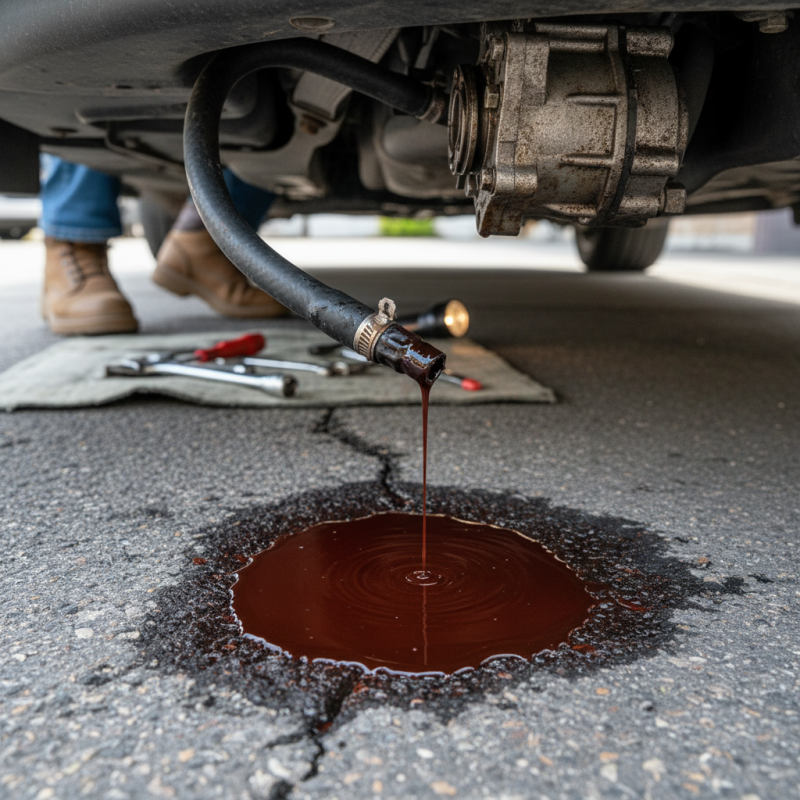
Understanding Power Steering Fluid and Its Role in Vehicle Functionality
Power steering fluid plays a vital role in vehicle functionality. It enables smooth steering control and helps reduce the effort needed to turn the wheel. This fluid is hydraulic, assisting in transferring power from the steering wheel to the wheels. When the fluid level drops, steering becomes difficult and can lead to a complete loss of steering ability. Understanding how this fluid functions is key to maintaining vehicle safety.
Leaking power steering fluid can signal various underlying issues. Common causes include damaged hoses, loose fittings, or a worn-out steering rack. Identifying these leaks early can prevent further damage. Regular checks of the fluid level can help you catch problems before they worsen. Ensure your vehicle is well-maintained to avoid complications.
Tip: Always inspect your power steering fluid for a reddish or brownish color. If it appears dark or has a burnt smell, it’s time for a change. Check for moisture around hoses and joints, as these can indicate leaks.
Keep an eye on any changes in steering performance. If your steering feels stiff or unresponsive, don’t ignore it. These signs often lead to critical issues. Noticing the small things can make a big difference in vehicle performance.
Common Causes of Power Steering Fluid Leaks in Vehicles
Power steering fluid leaks can stem from various issues in your vehicle. One common cause is worn-out hoses. Over time, these rubber hoses degrade. They might crack or become loose, leading to leaks. Inspecting hoses regularly can prevent unexpected problems. Replacing a damaged hose is often straightforward and can save significant repair costs.
Another frequent issue is a faulty power steering pump. This component pressurizes the fluid, enabling smooth steering. If it develops a leak, fluid levels will drop. You might notice whining noises or difficulty steering. Checking the pump for signs of wear can pinpoint this problem. Regular maintenance can highlight issues before they escalate.
Lastly, the steering rack itself may cause leaks. Seals around the rack can wear down. This can lead to fluid seeping out during operation. Inspecting these components is essential for overall vehicle health. Ignoring these leaks can lead to more severe steering problems. Addressing these issues early can enhance vehicle safety.
Signs and Symptoms of Power Steering Fluid Leakage in Your Car
Power steering fluid leakage can lead to serious driving issues. It's crucial to recognize the signs and symptoms early on. One major indicator is difficulty steering. If you notice your steering wheel feels stiff or unresponsive, it’s time to investigate. Another sign includes a whining or groaning noise when turning the wheel. This sound often indicates low fluid levels, signaling a potential leak.
Look out for fluid spots under your vehicle. Power steering fluid typically has a reddish hue. If you see brown or oily spots, it might point to different issues. A noticeable drop in fluid level often leads to further problems. It can cause the power steering pump to fail, resulting in costly repairs.
Monitor your steering system closely. If you experience any of these symptoms, consult a professional. Delaying action might worsen the situation. Regular checks may prevent a minor issue from escalating into a major repair. Keep your vehicle safe and ensure smooth handling on the road.
Power Steering Fluid Leakage: Causes and Symptoms
This chart displays the common causes of power steering fluid leakage in vehicles, highlighting that worn seals are the most frequent issue, followed by loose hoses and damaged pumps. Understanding these causes can help in diagnosing and resolving power steering fluid leaks effectively.
Step-by-Step Solutions for Fixing Power Steering Fluid Leaks
Power steering fluid leaks can be frustrating and concerning. Identifying the source is crucial. Start by checking hoses and connections. Loose clamps or degraded hoses are common culprits. Replace any worn or faulty components. Inspect the power steering pump too; leaks can occur here as well.
Cleaning the area around the leak helps pinpoint the source. Use a degreaser to eliminate old fluid and grime. After cleaning, run the engine and observe for new leaks. If found on the power steering fluid reservoir, ensure the cap is secure. Sometimes, it’s as simple as tightening or replacing it.
Don't overlook the steering rack. Over time, seals may deteriorate, leading to leaks. In such cases, the entire rack might need replacement. Pay attention to any unusual noises while turning the wheel. These can signal deeper issues related to the power steering system. Regular checks will prevent potential problems down the line.
Preventive Measures to Avoid Future Power Steering Fluid Issues
Power steering fluid leaks can lead to serious problems. To prevent these issues, regular maintenance is essential. Checking fluid levels regularly is crucial. Small leaks may go unnoticed, but can worsen over time. Inspecting hoses and connections can help catch leaks early. A simple visual check can save you headaches later.
Another preventive measure involves using the right fluid. Always refer to your vehicle’s manual to ensure compatibility. Using incorrect fluid may cause damage. Furthermore, be aware of the age and condition of your power steering system. Old seals may harden and fail, causing leaks. Keeping your system in good shape is a proactive way to avoid future issues.
Driving habits also play a role. Frequent tight turns can strain the steering system, leading to fluid leaks. Lastly, consider environmental factors. Road debris can damage hoses, resulting in leaks. Reflecting on these aspects can enhance the reliability of your power steering system. Staying vigilant can prevent future problems.
Why is My Power Steering Fluid Leaking Solutions and Causes?
| Cause |
Description |
Solutions |
Preventive Measures |
| Leaking Hose |
Worn or damaged hoses can develop leaks. |
Inspect and replace damaged hoses. |
Regularly inspect hoses for wear and tear. |
| Faulty Seals |
Seals can degrade over time, causing fluid to leak. |
Replace worn seals. |
Check seals regularly and replace them during routine maintenance. |
| Power Steering Pump Failure |
A failing pump can leak fluid. |
Inspect the pump and replace if necessary. |
Perform regular fluid changes to prevent pump wear. |
| Reservoir Leak |
Cracks in the reservoir can lead to leaks. |
Replace the damaged reservoir. |
Inspect the reservoir for cracks regularly. |
| Improper Fluid Level |
Low fluid levels can indicate a leak. |
Top up fluid and check for leaks. |
Regularly check and maintain proper fluid levels. |
Conclusion
If you're asking "why is my power steering fluid leaking," it's essential to understand the integral role power steering fluid plays in the functionality of your vehicle. This fluid not only helps to facilitate smooth steering but also protects various components of the steering system. Common causes of power steering fluid leaks include worn seals, damaged hoses, and a failing power steering pump.
Recognizing the signs and symptoms of a leak, such as difficulty steering or the presence of fluid puddles under your vehicle, is crucial for timely repairs. To address leakage, follow a step-by-step guide that includes identifying the source of the leak, replacing damaged parts, and re-filling fluid as necessary. Additionally, implementing preventive measures, such as regular maintenance checks, can help avoid future power steering fluid issues, ensuring reliable vehicle performance.

 DC-Link Auto