Brakes are vital for vehicle safety, and the sounds they make can be alarming. Many drivers experience a frustrating squeak when stopping, prompting questions about the issue. Understanding what causes brakes to squeak when stopping is essential for maintaining your vehicle and ensuring safe travels.
Several factors contribute to this annoying noise. Worn-out brake pads, moisture buildup, or even dust can lead to squeaking. This sound is often a warning sign that should not be ignored. Regular inspection of brake components is vital for identifying potential problems. If left unaddressed, these issues could escalate, leading to costly repairs and safety hazards.
Driving with squeaky brakes can be unnerving. It raises concerns about your vehicle's reliability and performance. This article will explore the top ten reasons behind this common issue. Knowledge of these causes can empower you to make informed decisions regarding your brakes and overall vehicle maintenance.
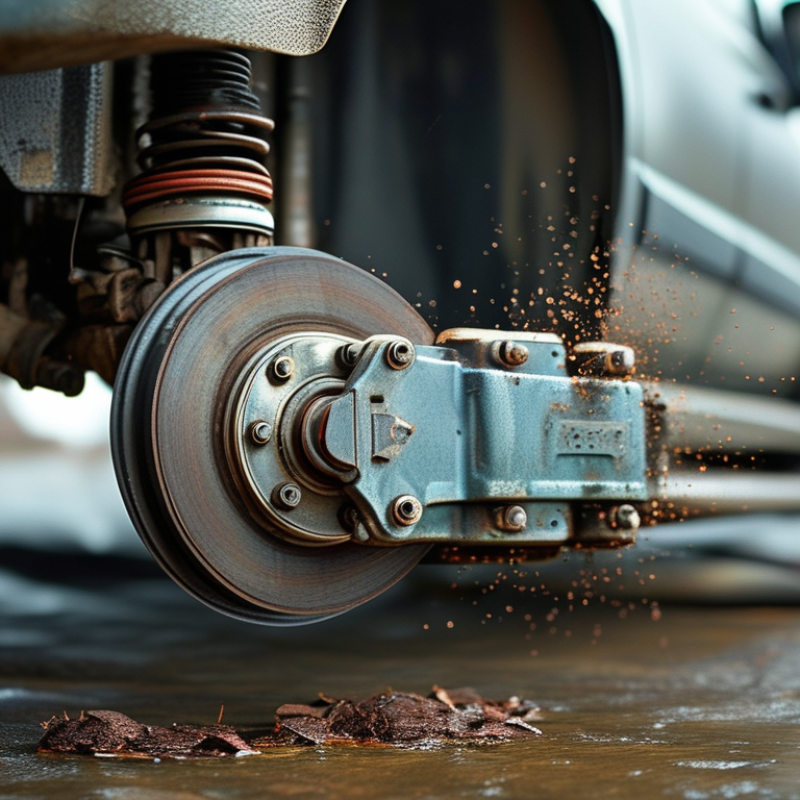
Squeaking brakes can be concerning for many drivers. Understanding the common causes can help you address the issue effectively. One primary reason for squeaking is worn-out brake pads. When the padding wears thin, it can produce high-pitched sounds during braking. Another cause could be dust or debris caught between the brake pad and rotor. This can lead to noise and reduced braking efficiency.
Moisture can also be a factor. Rain or humidity often causes a thin film of rust to form on rotors. When brakes engage, this rust can create squeaks until it wears away. If the installation of brake components is incorrect, that may result in poor contact and noise.
Brake pads play a crucial role in vehicle safety. Their quality can greatly influence the noise produced during braking. When brake pads wear down or are made from inferior materials, they may cause squeaking sounds. This noise is often a sign that the pads are not functioning properly. Quality brake pads ensure efficient braking performance and minimize annoying sounds.
Regular inspection of brake components can help maintain their integrity. Look for signs of wear on pads and rotors. Consider the type of material your pads are made from. Softer materials may wear out faster but can reduce noise. Harder compounds last longer but may create more sound when stopping. It's essential to balance these factors to find the best fit for your vehicle.
Keep in mind that new pads may require a break-in period. During this time, some noise could occur as they settle. If squeaking persists, it might be time to consult a professional. Investing in high-quality brake pads can reduce future maintenance issues and improve your driving experience. Listen to your vehicle; it often communicates potential problems before they become serious.
Moisture and debris are common culprits behind the squeaking of brakes when stopping. When vehicles are parked, brake components can accumulate moisture, especially in humid environments. This moisture creates rust on rotors, leading to vibrations and the unmistakable squeaking sound. According to a report by the Society of Automotive Engineers, about 70% of brake performance issues can be traced back to environmental factors like moisture and dirt.
Debris such as dirt, dust, and road grime can obstruct the smooth operation of brake components. This interference not only causes noise but also affects braking efficiency. A study from the National Highway Traffic Safety Administration indicates that nearly 15% of brake-related incidents stem from contaminated brake pads. These contaminants reduce the friction needed for effective braking, creating a compromised situation for drivers.
Failures in addressing moisture and debris can lead to increased wear on brake systems. Experienced mechanics often advise regular inspections of brake components. Maintaining cleanliness is essential. Neglecting this can result in more severe issues over time, possibly raising repair costs significantly. Vehicle owners should consider conditions that foster moisture and dirt accumulation, ensuring their brake systems remain functional and quiet.
When you hear that squeaking noise while braking, it's a clear sign that something may be off with your brake system. Pay attention to these indicators of brake wear that could signal potential issues. A high-pitched squeal often means your brake pads are wearing thin and need replacement. If you notice a grinding sound, this could indicate that the pads have worn down completely, potentially damaging the rotors.
Another important sign is a vibrating brake pedal. This could suggest warped rotors or uneven wear on the brake pads. Likewise, a soft or spongy brake pedal may signal air in the brake lines or fluid leaks. Ignoring these symptoms can lead to more severe problems and costly repairs.
Tips: Regular maintenance checks are crucial. Inspect your brakes at least once a year. Replace worn brake pads promptly to avoid damage to rotors. Keep an eye on fluid levels and check for leaks. Don't hesitate to consult a professional if you're unsure. Brakes are critical to vehicle safety; taking care of them ensures peace of mind on the road.
| Reason | Description | Signs of Wear |
|---|---|---|
| Dust and Debris | Particles can accumulate between the brake pad and rotor, causing noise. | Scratching sounds when stopping. |
| Worn Brake Pads | Brake pads wear down over time, leading to metal-on-metal contact. | Squealing or screeching noise. |
| Moisture | Water can cause temporary squeaking due to corrosion or condensation. | Squeaking shortly after rainfall. |
| Glazing | Overheating can lead to a hardening of the brake pads, creating noise. | High-pitched squeaking sounds. |
| Improper Installation | Incorrectly installed brake components can misalign, causing noise. | Intermittent squeaking or grinding. |
| Brake Fluid Issues | Contaminated or old brake fluid can affect performance and produce noise. | Unresponsive brakes with unusual sounds. |
| Uneven Wear | Uneven brake pads can cause inconsistent contact and noise. | Vibration along with squeaking. |
| Rotor Damage | Scratches, warps, or other damage to rotors can lead to brake noise. | Grinding noise when brakes are applied. |
| Insufficient Lubrication | Brake components may need lubrication to function quietly. | Persistent metal-on-metal sounds. |
| Foreign Object | A small stone or other debris may get lodged in the brakes. | Occasional clanking sounds when braking. |
The condition of the brake rotor plays a significant role in generating noise when braking. When a rotor is warped or uneven, it can create vibrations. These vibrations contribute to a squeaking or squealing sound as the brake pads make contact. Regular wear and tear can lead to grooves and irregularities on the rotor's surface. This damage can amplify noise during braking, often signaling an underlying issue.
Inadequate lubrication on the brake rotor can also cause squeaking. Dust and debris can accumulate, leading to friction that produces noise. Inspecting the brake components regularly is essential. Sometimes, a simple cleaning can reduce or eliminate the noise. However, ignoring these sounds can lead to greater problems, such as decreased braking efficiency.
Drivers must stay proactive about their vehicle's braking system. Understanding the relationship between rotor condition and noise generation can prevent costly repairs. Regular maintenance ensures that rotors remain smooth and effective. Remember, listening to your vehicle can provide valuable insights into its health.
This chart illustrates the top reasons why brakes may squeak when stopping, highlighting the impact level of each factor contributing to the noise, rated on a scale from 1 to 10.
: It often means the brake pads are thin and may need replacing.
This could indicate that the brake pads are worn down completely, risking rotor damage.
It may suggest warped rotors or uneven wear on the brake pads.
This might signal air in the brake lines or potential fluid leaks.
Regular checks can prevent severe problems and costly repairs.
Warped rotors can create vibrations, leading to squeaking when pads contact.
Dust accumulation can create friction, resulting in noise during braking.
Regular inspection and cleaning of brake components can help.
Ignoring these signs can lead to decreased efficiency and further damage.
Inspect them at least once a year and consult a professional if unsure.
Brakes are an essential component of vehicle safety, and understanding what causes brakes to squeak when stopping can help maintain optimal performance. Common causes of squeaking include worn brake pads, which may lack sufficient friction material, and contamination from moisture or debris that affects their effectiveness. High-quality brake pads can significantly reduce noise and improve braking efficiency.
Additionally, the condition of the brake rotors plays a crucial role in noise generation. If rotors are warped or have uneven surfaces, they can create vibrations leading to squeaking during stops. It's important for drivers to be aware of signs of brake wear, such as unusual sounds or reduced stopping power, as these indicators may point to potential issues that need attention. Keeping brakes in good condition not only ensures a quieter ride but also enhances overall vehicle safety.

DC-Link Auto