Traffic jams can be frustrating, especially when your vehicle struggles with overheating. Many drivers wonder, "why is my engine overheating in traffic?" This issue can stem from various causes. Recognizing those causes can help prevent engine damage.
One common factor is limited airflow. In heavy traffic, your engine relies on the movement of air for cooling. When stuck, the cooling system can struggle. Another possible reason is a failing radiator or coolant leak. Monitoring fluid levels regularly is crucial. A malfunctioning thermostat may also lead to overheating. Drivers must address these issues promptly to avoid serious engine problems.
Understanding the causes of engine overheating empowers drivers. Taking preventive measures can save you from costly repairs and unexpected breakdowns. Stay alert and maintain your vehicle to ensure safe travels, even in traffic.
Engine overheating in traffic can stem from various causes. One major factor is the vehicle's cooling system. A malfunctioning radiator can severely restrict airflow, leading to higher engine temperatures. According to a study by the Automotive Research Institute, nearly 15% of vehicles experience cooling system issues annually. This leads to increased engine wear, reducing the vehicle's longevity.
Another significant cause is low coolant levels. Coolant circulates through the engine, absorbing heat. If the coolant level drops, it can't effectively regulate temperature. It's estimated that about 25% of overheating incidents result from inadequate coolant levels, often due to leaks or evaporation. Routine maintenance is key. Neglecting regular checks can create a perfect storm for overheating.
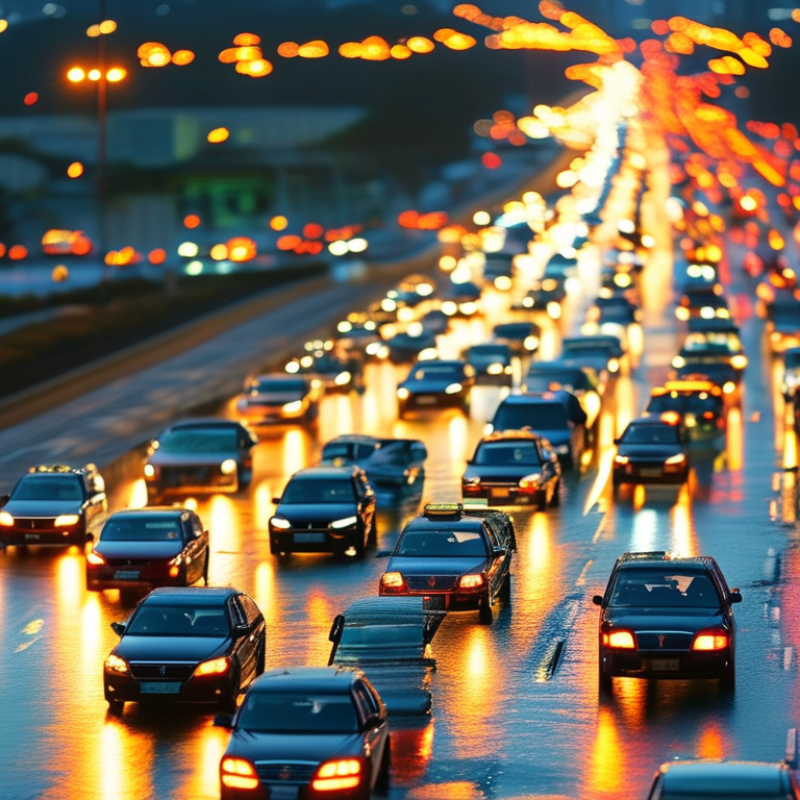
Traffic congestion itself exacerbates the situation. Idling in stop-and-go traffic increases engine strain. Data from the Highway Safety Administration indicates that engines can reach critical temperatures during prolonged idling. This presents a risk, especially in vehicles not designed for frequent stop-and-go conditions. Regularly monitoring engine temperature can help prevent overheating. Understanding these causes and their implications is essential for every driver.
This chart illustrates the impact level of various factors contributing to engine overheating. Each factor is rated on a scale of 1 to 10, with higher values indicating a greater risk of engine overheating in traffic situations. By understanding these factors, drivers can take proactive measures to prevent engine overheating.
Engine overheating is a common issue, especially in heavy traffic. A recent report indicates that nearly 25% of road incidents are related to engine failure. Regular maintenance is key to preventing overheating. Checking your coolant levels should be a priority. Low coolant can lead to heat buildup. Experts recommend inspecting this every month, particularly in hot weather.
Another essential tip is to monitor your vehicle's thermostat. A malfunctioning thermostat can prevent coolant from flowing properly. This is crucial for maintaining optimal engine temperature. Changing the engine oil regularly also helps. Dirty oil doesn't cool the engine effectively. Studies show that engines with clean oil run significantly cooler.
Additionally, pay attention to the radiator. A blocked or damaged radiator can significantly impair cooling performance. Ensure it is free of debris. Regular flushing of the radiator is also advised every two years. These maintenance steps are simple but often ignored. Overheating can lead to severe engine damage if neglected. Taking proactive steps can save you costly repairs down the road.
Engine overheating in traffic is a common concern for drivers. Implementing effective driving techniques can significantly help manage engine temperature. One strategy is to maintain a steady speed. Sudden accelerations and hard braking can increase engine stress. Smooth driving not only conserves fuel but also keeps the engine cooler.
Another tactic is to use air conditioning cautiously. While it can help you feel comfortable, heavy use puts additional load on the engine. Consider rolling down the windows for fresh air instead. It’s also important to monitor the temperature gauge. If it rises too high, pull over safely. Allowing the engine to cool down can prevent serious damage.
Regular maintenance is key. Schedule periodic checks of your coolant levels and hoses. Old or leaking hoses can contribute to overheating. Ensure your car’s radiator is functioning well; this often is a neglected part of vehicle health. Being alert and adjusting your driving habits could save you from costly repairs and increase your vehicle's lifespan.
Coolant plays a critical role in engine temperature regulation. It circulates through the engine to absorb heat. Without it, your engine can overheat quickly, especially in heavy traffic. Regular checks of coolant levels are essential. Low coolant means higher risk of overheating.
Understanding how coolant works can be enlightening. It contains a mixture of water and antifreeze. This combination raises the boiling point and lowers the freezing point. Poor-quality coolant can lose effectiveness, leading to engine stress. Some drivers neglect their coolant needs. This can be a costly mistake.
Identifying leaks or contamination is key. If you see a puddle under your car, inspect it. The type of coolant used matters too. Ensure it’s compatible with your vehicle. Many overlook these details until it’s too late. Checking coolant before long trips could save you from breakdowns. You should be proactive, not reactive.
Engine overheating is a serious issue that can lead to costly repairs. Recognizing the signs can save you from breakdowns. Common symptoms include a high temperature gauge reading, steam rising from the hood, and a burning smell. These indicators can appear when your vehicle is stuck in heavy traffic. For instance, a report from the American Automobile Association shows that nearly 37% of vehicles experience overheating due to traffic jams or idling.
When your engine overheats, it's crucial to act quickly. If you observe the temperature gauge rising above normal, it may be time to pull over. Persistent steam or strange smells are indicators of possible damage. Research indicates that running the engine too long while overheating could cause severe damage to the engine components. Consider seeking professional help if you notice changes in performance or unusual noises. A study from the Engine Builders Association highlights that overheating leads to engine failure in 30% of cases.
Awareness of these signs can prevent more extensive problems. Regularly checking coolant levels and ensuring your radiator is functioning properly are vital steps in maintenance. Statistics indicate that up to 50% of overheating issues stem from neglected cooling systems. If your engine overheats frequently, it may signal deeper issues. Ignoring these signs can lead to catastrophic engine failures.
| Tip | Description | Signs of Overheating | When to Seek Help |
|---|---|---|---|
| Check Coolant Levels | Ensure that coolant levels are adequate to avoid overheating. | Temperature gauge rising, steam from the engine. | If coolant levels are constantly low. |
| Inspect Radiator | Check for debris or damage that could block airflow. | Engine warning light, unusual smells. | If radiator is leaking or damaged. |
| Monitor Driving Conditions | Avoid heavy traffic and optimize driving routes. | Frequent stop-and-go traffic. | If overheating occurs despite good conditions. |
| Use Air Conditioning Wisely | Limit AC use in heavy traffic to reduce load on the engine. | Increased engine temperature during AC use. | If AC causes significant overheating. |
| Regular Maintenance | Schedule regular checkups to ensure optimal engine function. | Decreased engine performance. | If issues persist despite maintenance. |
| Check Thermostat | Make sure the thermostat is functioning correctly to regulate temperature. | Engine temperature fluctuating significantly. | If thermostat remains stuck. |
| Stay Alert to Warning Lights | Pay attention to warning lights on the dashboard that signal overheating. | Engine temperature light illuminated. | Immediately if warning lights appear. |
: Major causes include a malfunctioning cooling system, low coolant levels, and traffic congestion.
A faulty radiator restricts airflow, causing higher engine temperatures and potential damage.
About 25% of overheating cases are due to inadequate coolant levels, often from leaks.
Regular checks prevent issues like low coolant, which can lead to overheating and costly repairs.
High temperature readings, steam from the hood, and unusual burning smells are key signs.
If you notice temperature spikes or strange noises, it’s important to get a professional evaluation.
It’s recommended to check coolant levels every month, especially in hot weather.
Regular oil changes, flushing the radiator, and monitoring the thermostat are essential.
Yes. Idling in heavy traffic increases engine strain and can raise temperatures significantly.
Ignoring these signs may lead to severe engine damage and potentially expensive repairs.
Engine overheating in traffic is a common concern for many drivers, leading them to wonder, "why is my engine overheating in traffic?" Understanding the causes is crucial, as factors such as low coolant levels, a malfunctioning thermostat, and blocked radiator can significantly contribute to overheating. Regular maintenance, including checking coolant levels and ensuring the radiator is clean, can prevent these issues.
Additionally, adopting effective driving techniques, such as avoiding excessive idling and using air conditioning wisely, can help manage engine temperature. The coolant plays a vital role in regulating temperature, so ensuring it is in good condition is essential. Being aware of the signs of overheating, such as dashboard warning lights or steam rising from the engine, will allow drivers to seek professional help promptly, preventing further damage to their vehicle.

DC-Link Auto