China Top Guide What Does White Smoke From Exhaust Mean?

Time:2026-09-17 Author:Sophia
0%

When drivers search “what does white smoke from the exhaust mean,” they often fear the worst. Sometimes, the explanation is harmless. Thin white vapor may simply be condensation leaving a cold exhaust system on a chilly morning. It should fade within a few minutes.

Richard Reina, an automotive expert and Product Training Director at CARiD, says, “A little white smoke on a cold morning is usually just condensation.” That practical distinction matters. Heavy smoke that continues after the engine warms up deserves closer attention. It may indicate coolant entering the combustion chamber through a damaged head gasket, cracked cylinder head, or engine block.

Look closely. Is the smoke thick and sweet-smelling? Is the coolant level falling? Does the temperature gauge climb beyond normal? These clues can turn a vague worry into a useful inspection. A milky film beneath the oil cap may also suggest coolant contamination, although short trips can create similar moisture.

Do not rely on color alone. Lighting, weather, and camera settings can mislead. I have seen drivers mistake normal winter vapor for a major engine failure. I have also seen persistent smoke dismissed for too long. That mistake becomes expensive.

This guide explains what white smoke from the exhaust mean in practical terms. It separates normal condensation from warning signs, outlines simple checks, and shows when professional diagnosis is safer. Stop driving if the engine overheats, loses coolant rapidly, or runs roughly. A qualified technician can perform a cooling-system pressure test and combustion-gas test before damage spreads.
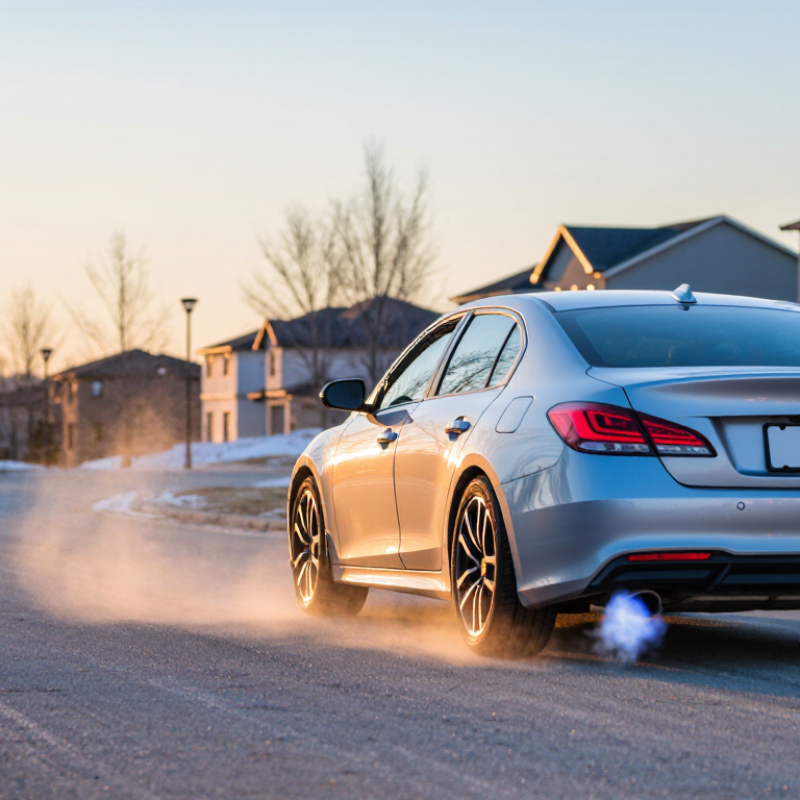
China Top Guide What Does White Smoke From Exhaust Mean?

What White Smoke From an Exhaust Usually Indicates

White smoke from an exhaust usually indicates water vapor, especially during a cold start. Moisture collects inside the exhaust overnight and appears as a thin white cloud. It should fade within several minutes as the engine warms. Cool weather makes this effect more visible. Watch the tailpipe.

Persistent white smoke can indicate coolant entering the combustion chamber. A damaged head gasket, cracked cylinder head, or engine block may cause this problem. The smoke often looks thick and lingers behind the vehicle. A sweet smell may also come from the exhaust. Engine temperature can rise unexpectedly.

An experienced technician checks the coolant level, engine oil, and cooling system pressure. Milky oil under the filler cap is a warning sign, but short trips can create similar moisture. That detail is easy to misread. I would not condemn an engine from smoke alone. A compression test or combustion-gas test provides stronger evidence. Avoid driving far if the temperature gauge climbs or coolant disappears quickly. Continued operation may increase internal damage. In some cases, the smoke comes from spilled fluid or a temporary exhaust leak, not the engine itself. Careful diagnosis matters more than guessing.

How to Distinguish Normal Condensation From a Real Problem

China Top Guide: What Does White Smoke From Exhaust Mean?

How to Distinguish Normal Condensation From a Real Problem

White vapor is often harmless on a cold morning. Moisture collects inside the exhaust overnight. When the engine starts, heat turns that moisture into a thin cloud. It should fade within a few minutes. The vapor usually has no strong smell. It also disappears as the exhaust system warms.

A real problem behaves differently. Thick white smoke may continue after ten minutes of driving. It can smell sweet, like heated coolant. Check the coolant reservoir only when the engine is cold. A falling coolant level is an important warning sign. Look for creamy residue under the oil filler cap, too. However, one short inspection cannot confirm engine damage. Weather, driving distance, and engine temperature can mislead you.

In professional inspections, technicians also check the temperature gauge and pressure in the cooling system. Overheating, rough idling, or bubbling coolant needs prompt attention. Do not remove a hot radiator cap. Steam can cause serious burns. If the smoke remains heavy, stop driving and arrange a proper diagnostic test. I once underestimated a small morning cloud, but it became persistent after a week. That mistake taught me to record coolant levels and smoke duration, rather than guessing from one startup.

Common Engine Causes of Persistent White Exhaust Smoke

China Top Guide: What Does White Smoke From Exhaust Mean?

Thin white vapor on a cold morning is often normal. The exhaust system releases condensation as the engine warms. Persistent white smoke is different. It may indicate coolant entering the combustion chamber. A sweet smell, dropping coolant level, or rough idle strengthens this concern. A failed head gasket is a common cause. A warped cylinder head or cracked engine block can create the same symptom. In some engines, a damaged intake gasket may also allow coolant into the cylinders.

Watch the smoke after ten minutes of driving. Does it remain thick? Check the coolant reservoir only when the engine is completely cold. Never open a hot cooling system. Look for bubbling, overheating, or creamy oil under the filler cap. These signs require professional testing, not guesswork. A repair technician can perform a cooling-system pressure test, compression test, or cylinder leak-down test. I have seen owners replace sensors first, then discover a serious internal leak. That approach wastes time and can worsen engine damage.

Tips: Record when the smoke appears. Note its smell and color. Check coolant levels for several days. Do not continue driving if the temperature rises. A short trip can become an expensive engine failure. Also, white smoke can result from unburned fuel in some diesel engines, especially during hard starting. Faulty injectors, poor timing, or low compression may be involved. The correct diagnosis depends on engine type, smoke temperature, and supporting symptoms.

China Top Guide What Does White Smoke From Exhaust Mean? - Common Engine Causes of Persistent White Exhaust Smoke
Possible Cause What the Smoke Usually Looks Like Typical Additional Symptoms How It Happens Useful Diagnostic Checks Urgency Recommended Response
Normal condensation Thin white vapor that disappears quickly, especially during cold starts or cool, humid weather. No unusual smell, no loss of coolant, stable engine temperature, and normal engine performance. Water vapor naturally forms in the exhaust system and is released when the engine starts. Allow the engine to reach normal operating temperature. Check whether the vapor continues after several minutes of driving. Low Usually no repair is needed if the vapor clears as the exhaust system warms.
Head-gasket failure Dense white smoke or steam that continues after warm-up, often with a sweet coolant odor. Coolant loss, overheating, rough running, bubbling in the coolant reservoir, or a milky engine-oil appearance. A damaged gasket allows coolant to enter one or more combustion chambers and burn with the fuel mixture. Perform a cooling-system pressure test, combustion-gas test, compression test, and cylinder leak-down test. High Stop driving if the engine overheats or the smoke is heavy. Arrange a professional inspection promptly.
Cracked cylinder head Persistent, thick white exhaust smoke, frequently concentrated after the engine warms up. Coolant consumption, misfiring, difficult starting, overheating, or coolant contamination in the engine oil. A crack in the cylinder head can create a path for coolant to enter the combustion chamber or oil passages. Use a pressure test, leak-down test, compression test, and cylinder-head inspection after removal if necessary. High Avoid continued operation. The cylinder head may require testing, machining, or replacement.
Cracked engine block Heavy white smoke or steam that remains present during normal driving. Rapid coolant loss, repeated overheating, low compression, external coolant leaks, or severe engine damage. A fracture in the engine block permits coolant to reach combustion areas or other internal passages. Pressure-test the cooling system and inspect the block for cracks after other causes have been excluded. High Do not continue driving an overheating vehicle. Major engine repair or replacement may be required.
Leaking intake-manifold gasket White smoke that may be intermittent or persistent, depending on the location and size of the leak. Coolant loss, rough idle, vacuum-related running problems, misfires, or an overheating tendency. On engines where coolant passages run through the intake manifold, a failed gasket can allow coolant into the intake stream. Check coolant pressure, inspect the intake area, and compare compression or leak-down results between cylinders. Medium to High Repair the gasket promptly to prevent cylinder damage, oil contamination, or overheating.
Failed exhaust-gas recirculation cooler White steam from the exhaust, sometimes more noticeable during acceleration or after idling. Gradual coolant loss, rough running, warning lights, or coolant entering the intake system. A leaking cooler can allow engine coolant to mix with recirculated exhaust gas and enter the intake. Inspect the cooler and related passages, pressure-test the cooling circuit, and check for unexplained coolant consumption. High Have the cooling and exhaust-recirculation systems tested before continued use.
Unburned fuel in a diesel engine White or gray-white smoke, often with a raw-fuel odor; it may be worse during cold starting. Hard starting, rough idle, reduced power, increased fuel consumption, or a malfunction indicator. Fuel that does not burn completely may be caused by poor glow-plug operation, low compression, injector problems, or incorrect injection timing. Scan for fault codes, test glow plugs, inspect injectors, check fuel pressure and injection timing, and perform a compression test. Medium to High Diagnose promptly. Continued misfiring can dilute engine oil and damage the exhaust after-treatment system.
Coolant entering the combustion chamber after shutdown Large white clouds on restart after the vehicle has been parked, sometimes followed by normal-looking exhaust. Extended cranking, a brief misfire, coolant level reduction, or one unusually clean spark plug. A small internal leak can allow coolant to collect in a cylinder while the engine is off and burn during the next start. Inspect spark plugs, use a borescope, pressure-test the cooling system, and check cylinders for moisture or abnormal cleanliness. High Stop using the vehicle if the condition worsens. Severe coolant intrusion can cause mechanical damage during starting.
Important: Persistent white smoke after the engine reaches normal operating temperature is not considered normal. Check the coolant level and engine temperature, but never open a hot cooling-system cap. A sweet odor, overheating, or rapid coolant loss should be treated as signs requiring immediate professional diagnosis.

Warning Signs That Require Immediate Vehicle Inspection

China Top Guide: What Does White Smoke From Exhaust Mean?

Thin white vapor on a cold morning is often normal condensation. It should fade within several minutes as the exhaust warms. Persistent, thick white smoke is different. It may indicate coolant entering the combustion chamber because of a damaged head gasket, cylinder head, or engine block. A sweet smell can strengthen this warning, but smoke color alone can mislead even an experienced driver.

Watch for urgent signs. The temperature gauge may rise, coolant may disappear from the reservoir, or the engine may run unevenly after starting. White residue around the oil filler cap can suggest coolant contamination, although short trips can create similar moisture. Do not open a hot coolant cap. Severe overheating can cause burns and additional engine damage. If the smoke remains heavy, stop in a safe place and arrange immediate inspection instead of continuing to drive.

A qualified technician can check the cooling system for pressure loss and test the coolant for combustion gases. They may also inspect the oil, spark plugs, and cylinder compression. These tests are more dependable than guessing from exhaust color. I have seen drivers wait because the vehicle still moved normally. That judgment can be costly. A small coolant leak may become rapid overheating without much warning. Fresh observations help: note when the smoke starts, its smell, coolant level, temperature changes, and whether the engine misfires.

How to Diagnose and Fix White Smoke From the Exhaust

China Top Guide: What Does White Smoke From Exhaust Mean?

White smoke from an exhaust can look alarming, but its meaning depends on timing and smell. A thin cloud on a cold morning is often water vapor. It should disappear after the engine reaches normal temperature. Thick smoke that continues suggests coolant may be entering the combustion chamber. A sweet smell, rough idle, or falling coolant level strengthens that concern. Do not ignore overheating.

Start with a cold engine. Check the coolant reservoir, engine oil, and temperature gauge. Never remove a hot radiator cap. Look for creamy oil under the filler cap, though short trips can create similar deposits. Watch the exhaust for several minutes after warming up. Record changes in smoke density and coolant level. These small details help a technician avoid guessing. Diagnosis is not always neat.

A pressure test can reveal leaks in the cooling system. A combustion-gas test may detect cylinder sealing problems. Further checks can include compression testing and inspection of the cylinder head gasket. If condensation is the cause, no repair is needed. If a hose, gasket, cylinder head, or cooling component has failed, replace the damaged part and correct the overheating cause. I have seen rushed repairs solve the smoke briefly, then repeat the problem. Use the correct fluids, follow service procedures, and seek qualified help when coolant loss or overheating continues. Fresh evidence matters.

FAQS

Is thin white vapor from a cold exhaust always a serious problem?

Usually not. Overnight moisture can become a thin cloud when the engine starts. It should fade within minutes.

How long should normal exhaust vapor last?

It should disappear as the exhaust warms. If heavy smoke remains after ten minutes, investigate further.

What smell may indicate coolant entering the engine?

A sweet smell, like heated coolant, can be a warning sign. Smell alone cannot confirm the cause.

Which checks can I make with a cold engine?

Check the coolant reservoir, engine oil, and temperature gauge. Look for creamy residue under the oil filler cap.

Can creamy oil residue prove engine damage?

No. Short trips can create similar deposits. One brief inspection is not enough evidence.

What symptoms make white smoke more concerning?

Persistent smoke, falling coolant levels, rough idling, overheating, and bubbling coolant deserve prompt attention.

Is it safe to remove the radiator cap after driving?

No. Wait until the engine is completely cold. Hot steam can cause serious burns.

What tests can identify the actual fault?

A cooling-system pressure test may reveal leaks. Combustion-gas, compression, and cylinder-head checks may provide stronger evidence.

Should I keep driving when thick white smoke continues?

Stop driving if smoke stays heavy or overheating appears. Arrange a qualified diagnostic inspection instead.

What information should I record before seeking help?

Record smoke duration, coolant levels, temperature changes, and driving distance. Small details matter. I once guessed too quickly.

Conclusion

What does white smoke from the exhaust mean? In many cases, a thin white vapor that appears briefly during a cold start is simply condensation in the exhaust system and should disappear as the engine warms up. However, thick white smoke that continues after warm-up may indicate a more serious engine problem, such as coolant entering the combustion chamber because of a damaged head gasket, cylinder head, or engine block. Other symptoms may include a sweet odor, overheating, low coolant levels, rough idling, or milky engine oil.

To diagnose the cause, check whether the smoke changes with engine temperature, inspect coolant and oil levels, and look for signs of contamination or leaks. A professional inspection may include a cooling-system pressure test, compression test, or examination of the exhaust gases. Driving should be stopped if the engine overheats, loses coolant rapidly, or runs poorly, because continued operation can cause severe damage. Prompt diagnosis and proper repairs can restore engine performance and prevent more expensive problems.

Sophia

Sophia

Sophia is a dedicated marketing professional with an exceptional depth of knowledge about her company's products and services. With a keen understanding of market trends and customer needs, she crafts insightful blog posts that not only inform but also engage readers, enriching the company’s online......