Why Is My Transmission Shifting Hard 7 Tips?

Time:2026-09-27 Author:Sophia
0%

A hard shift can feel like a sharp kick beneath the floorboard. You may notice it when moving from first to second gear, reversing, or accelerating uphill. The question “why is my transmission shifting hard” deserves more than a quick guess. Several systems may contribute, including fluid condition, electronic controls, engine performance, and worn internal parts.

This guide, “Why Is My Transmission Shifting Hard: 7 Tips,” explains practical checks before costly repairs begin. It considers both automatic and manual transmissions. A low fluid level, dark fluid, or a burnt smell can provide useful clues. However, fluid appearance alone cannot confirm the cause. A warning light, delayed engagement, or repeated clunk should receive professional attention.

Start with the owner’s manual. It identifies the correct fluid type and checking procedure. Some transmissions cannot be checked with a traditional dipstick. A qualified technician can scan fault codes, inspect linkage, test pressure, and evaluate shift data. That evidence is more reliable than replacing parts by guesswork.

Small details matter. Note the vehicle’s temperature, speed, gear, and road conditions when the problem appears. Hard shifting after warm-up may suggest a different issue than a cold-start bump. Diagnosis is not always tidy. Even careful advice has limits, because one symptom can have several causes. These seven tips aim to improve your observations, reduce unnecessary repairs, and show when expert service is the safer choice.
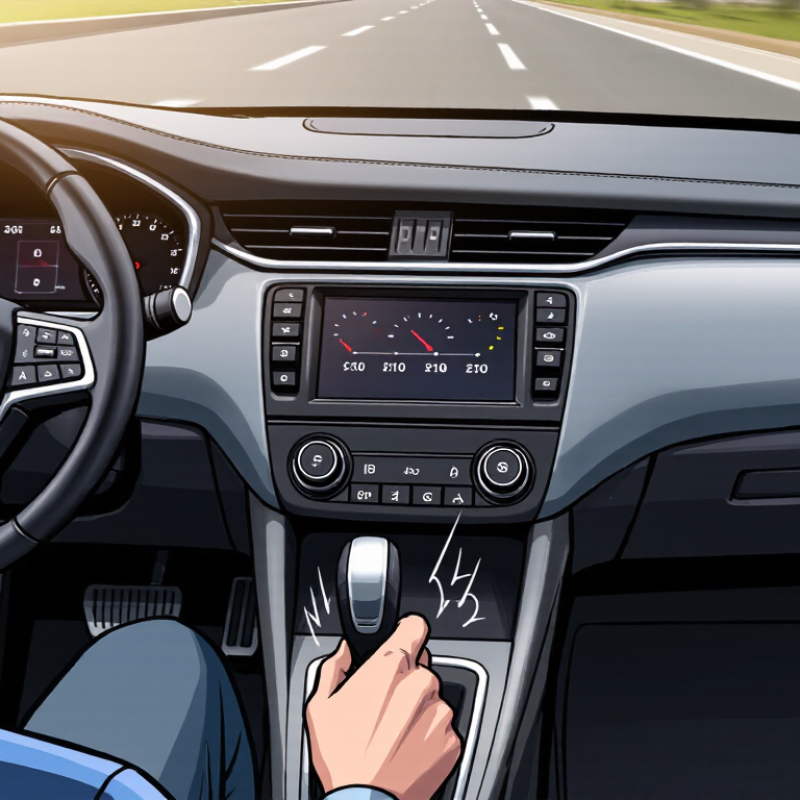
Why Is My Transmission Shifting Hard 7 Tips?

What Hard Transmission Shifting Means and How It Feels

Hard transmission shifting is more than noticing a gear change. You may feel a sharp bump as the car moves from one gear to another, or a brief pause followed by a sudden lurch. Some drivers notice the engine revving higher than usual before the next gear engages. Others feel resistance when moving a manual gear lever. That feels different. A mild shift can be easier to notice when the vehicle is cold, carrying extra weight, or climbing a hill; context matters.

Pay attention to when it happens. Does the jolt occur only on the first drive of the day, during acceleration, or in several gears? Note any slipping, delayed engagement, warning lights, or unusual smells, too. A small change in feel does not identify one specific fault. Fluid condition, worn parts, or control issues can all affect shifting, and the cause needs proper inspection. It is tempting to blame the transmission immediately, but that may be too quick. If the harshness is new, worsening, or paired with slipping or a warning light, have a qualified technician check the vehicle. A short written record of the conditions can help explain the symptom clearly.

Common Mechanical and Fluid-Related Causes of Hard Shifting

Why Is My Transmission Shifting Hard? 7 Tips

Hard shifts often start with fluid problems. Low fluid from a leak can reduce hydraulic pressure, while old or incorrect fluid may impair lubrication and control. Check for red or brown spots beneath the vehicle, but remember that fluid color alone cannot confirm its condition. Follow the vehicle’s service procedure; some transmissions require a specific temperature and level-check process. A burnt smell deserves attention.

Mechanical faults can feel similar. Worn clutch packs, sticking valve-body passages, faulty shift solenoids, or a damaged clutch hydraulic system may cause jolts, delayed engagement, or trouble selecting gears. S&P Global Mobility reported that the average age of U.S. light vehicles reached 12.6 years in 2024. That is useful context for wear, not proof that age caused a particular shifting problem. A fluid change is not a magic fix, and diagnosis may require trouble-code checks and pressure testing.

Tips: Note when the shift feels harsh: cold, hot, uphill, or during a particular gear change. Check for leaks and warning lights, then arrange an inspection if symptoms persist. Avoid hard acceleration until the cause is clear. Not always simple. A technician can compare fluid condition, scan data, and mechanical test results before recommending repairs.

Why Is My Transmission Shifting Hard? 7 Checks

A practical starting sequence for investigating common fluid-related and mechanical causes.

How to read this: The numbers show an illustrative check order, not failure rates or measured risk. The right procedure depends on the vehicle; consult its owner’s manual. Do not assume every transmission uses the same fluid or checking method. If shifting problems persist, have the vehicle diagnosed by a qualified technician.

Warning Signs That Indicate a Serious Transmission Problem

A hard shift can feel like a sharp shove, a delay, or a brief engine flare before the vehicle moves. One rough change after a cold start may not mean failure. Repeated jolts deserve attention. S&P Global Mobility reported that the average age of light vehicles in the United States reached 12.6 years in 2024, making age-related wear increasingly relevant. Still, age alone cannot diagnose a transmission.

Watch for warning signs that keep returning: slipping between gears, delayed engagement when selecting Drive or Reverse, grinding, or a burning smell. A red or brown fluid leak beneath the car matters, too. So does a warning light paired with unusual shifting. Stop driving if the vehicle loses power in traffic, makes severe noises, or smells strongly of overheated fluid. That can become unsafe quickly. Don’t guess.

Note when the problem occurs: after warming up, on hills, or during low-speed turns. Check the owner’s manual before checking fluid; some transmissions require a specific procedure and temperature. The National Highway Traffic Safety Administration’s vehicle complaint database can help owners review reported concerns, but complaints do not prove a defect or diagnose an individual car. Record symptoms, warning lights, and recent service, then ask a qualified technician to inspect the vehicle. A small hesitation can be hard to describe—and easy to dismiss.

Step-by-Step Checks to Identify the Source of the Issue

A hard shift is a symptom, not a diagnosis. Note when it happens: during a cold start, between specific gears, or after the engine warms up. Check the dashboard for warning lights, then look beneath the parked vehicle for fresh red or brown fluid. Do not crawl under a car supported only by a jack. Check the owner’s manual for the correct transmission-fluid procedure; some vehicles require a specific temperature and level-check process. Low or degraded fluid can affect shifting, but the wrong fluid can cause damage.

Next, scan for diagnostic trouble codes, even if no warning light is on, and record the exact codes before clearing anything. The U.S. National Highway Traffic Safety Administration’s complaint database separates owner-reported symptoms from confirmed defects, a useful reminder that one complaint does not prove a failed transmission. Ask a qualified technician to inspect fluid condition, leaks, mounts, and stored codes before authorizing major work. Mention recent battery changes or repairs, since control modules may need checks too. Small clues matter.

If the vehicle slips, loses drive, smells burnt, or shifts violently, stop driving and arrange an inspection. A short test drive may help a technician reproduce the fault, but do not provoke hard shifts in traffic. Keep a brief log of speed, gear, temperature, and symptoms. It may feel fussy. It can save guesswork.

Practical Repairs and Maintenance Tips to Improve Shifting

Hard shifting can feel like a sudden shove when you pull away from a stop or change gears on a hill. The cause may be low, old, or incorrect transmission fluid, but symptoms alone cannot confirm it. Note when the problem occurs: during a cold start, after a long drive, or at one particular speed. Small details help a technician narrow down the cause.

Tips: Check the fluid level and condition only as your owner’s manual directs. Some vehicles require a specific temperature or procedure. Look for reddish or dark fluid beneath the car, but don’t crawl under an unsupported vehicle. Keep up with scheduled fluid and filter service, and avoid adding generic additives. Check basics first.

If the fluid looks burnt, smells unusual, or contains visible debris, arrange an inspection rather than repeatedly driving to test it. A worn mount, clutch component, shift linkage, or faulty sensor can also affect gear changes. A repair shop can scan for stored fault codes and inspect the transmission safely. I’ve seen people focus only on fluid; that can miss the real issue. If shifting becomes erratic or the vehicle slips, limit driving and seek prompt professional advice.

FAQS

What does a hard shift feel like?

It may feel like a sharp shove, a delay, or a brief engine flare before the vehicle moves.

Does one rough gear change mean the transmission is failing?

Not always. A single jolt after a cold start may pass, but repeated jolts deserve attention.

Which symptoms should I watch for?

Watch for slipping gears, delayed Drive or Reverse engagement, grinding, burning smells, or fluid beneath the vehicle. Don’t guess.

When should I stop driving?

Stop if the vehicle loses power in traffic, makes severe noises, or smells strongly of overheated fluid. It may become unsafe quickly.

How can I describe the shifting problem to a technician?

Note whether it happens when cold, after a long drive, on hills, or during slow turns. Record warning lights and recent service, too.

Can I check the transmission fluid myself?

Follow the owner’s manual exactly. Some vehicles need a specific temperature or procedure. Never crawl beneath an unsupported vehicle.

Should I add an additive if shifting feels rough?

Avoid generic additives. Incorrect fluid or additives may complicate diagnosis; a technician can check fluid and stored fault codes.

Could something besides fluid cause hard shifting?

Yes. A worn mount, clutch component, shift linkage, or faulty sensor may affect gear changes. I might focus on fluid first, but that can miss the real issue.

What should I do if the fluid looks burnt or has debris?

Arrange an inspection instead of repeatedly driving to test it. Small details matter.

Conclusion

If you’re wondering, “why is my transmission shifting hard,” the cause may be as simple as low or degraded transmission fluid, or it may point to worn components or a developing mechanical fault. Hard shifting can feel like a delay between gears, a sudden jolt, or unusual resistance when the vehicle changes speed. The symptoms may become more concerning if they occur frequently or are accompanied by slipping, strange noises, warning lights, burning smells, or fluid leaks.

Start by noting when the problem happens and checking the fluid level and condition according to the vehicle’s owner’s manual. Look for visible leaks and pay attention to whether shifting changes as the vehicle warms up. Keeping fluid and filters maintained, addressing small leaks, and avoiding excessive strain can help improve shifting. If the issue persists, worsens, or comes with other warning signs, have a qualified technician inspect the transmission before further damage develops.

Sophia

Sophia

Sophia is a dedicated marketing professional with an exceptional depth of knowledge about her company's products and services. With a keen understanding of market trends and customer needs, she crafts insightful blog posts that not only inform but also engage readers, enriching the company’s online......