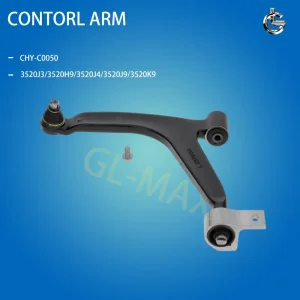
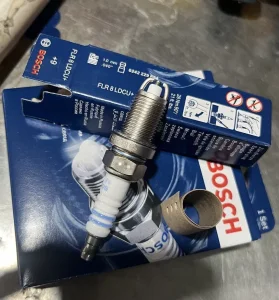
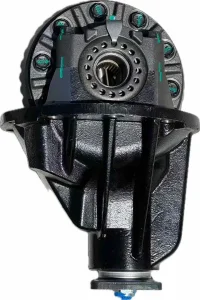
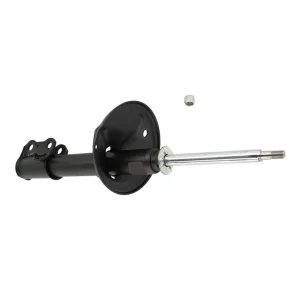
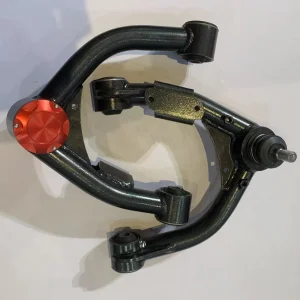
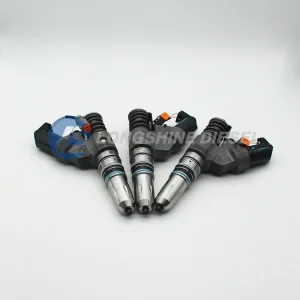
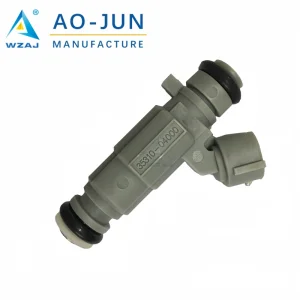
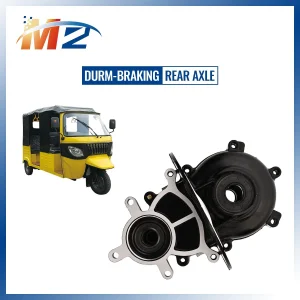
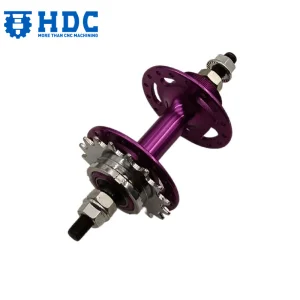
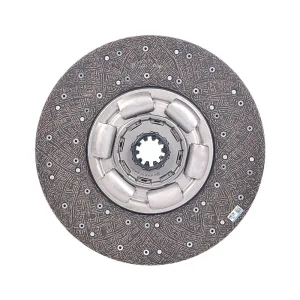
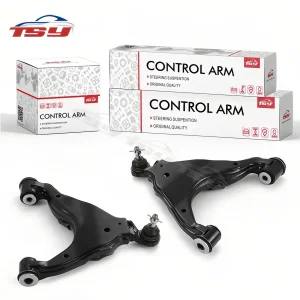
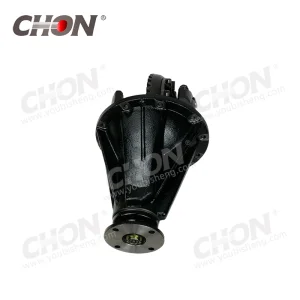
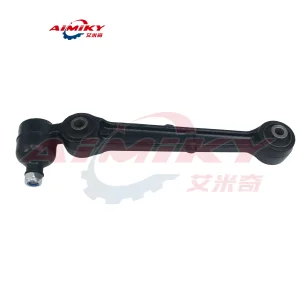
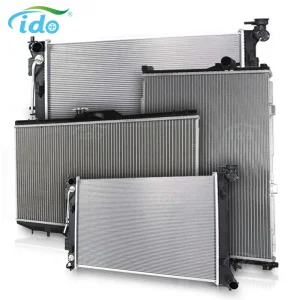
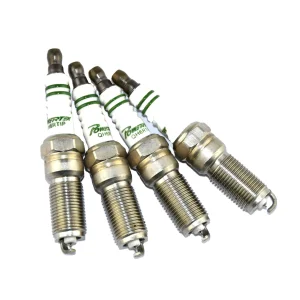
Premium OEM assemblies engineered for optimal structural integration and reliable performance under severe dynamic loading
Within automotive electrical engineering, the battery terminal is far more than a simple fastening mechanism; it is the cornerstone of high-conductivity energy transfer and electrical signal integrity. With the global acceleration toward Hybrid Electric Vehicles (HEV), Electric Vehicles (EV), and sophisticated start-stop architectures, electrical systems must withstand higher currents and severe mechanical vibrations without performance degradation.
Unplanned voltage drops, oxidation-induced resistance, and thermal fatigue at the terminal junctions can compromise critical safety systems, lead to diagnostic fault codes, and significantly shorten battery lifespan. To mitigate these failure modes, modern battery terminals are engineered using specialized alloys—most notably high-purity copper, engineered brass, and structural lead—subjected to precise plating procedures to resist galvanic corrosion and extreme heat cycles.
Analyzing key industrial requirements, localized standards, and the metallurgical evolution governing battery terminal manufacturing
Traditional automotive terminals relied heavily on cast lead due to its malleability and low melting point. However, modern heavy-duty, marine, and commercial operations have transitioned to copper-alloy stamping and hot-forged brass terminals. Copper offers a conductivity rate of nearly 100% IACS (International Annealed Copper Standard), compared to just 8% for lead. This dramatic difference significantly reduces thermal generation under high starter-motor draw. For demanding environments, Zhejiang DC-Link Auto utilizes premium base materials combined with multi-layer tin electroplating to optimize both conductivity and structural durability.
A major bottleneck for procurement managers is the alignment of terminal designs with regional automotive standards. Our manufacturing lines adapt output to meet:
Specifically engineered taper configurations conforming to SAE J537 guidelines, optimizing fitment on standard 12V starting battery posts.
Compliance with European DIN 72551 standards focusing on safety shields, specific mechanical pull-off parameters, and insulated terminal covers.
Design adaptations for Japanese automotive battery post dimensions, accommodating thinner terminal profiles with precision crimping ports.
A trusted partner delivering comprehensive automotive manufacturing and supply chain integration since 2011
Zhejiang DC-Link Auto Co., Ltd. was founded in 2011 and is headquartered in Yiwu, Zhejiang, China—an international trade hub known for its rich experience in the automotive industry. With over 15 years of expertise in automotive parts, we specialize in a wide range of components, including engines, turbochargers, brakes, steering systems, suspension systems, transmissions, and cooling systems.
Our company prides itself on a professional and efficient management team that is dedicated to providing high-quality services and strong business support. Over the years, we have earned the trust of more than 300 clients in over 60 countries and regions, thanks to our enthusiastic approach, reliability, and sense of responsibility. Our commitment to offering a comprehensive one-stop solution for auto spare parts sets us apart. We strive to simplify business transactions for our clients by providing flexible, comfortable, and dependable service, while consistently acting as a responsible business partner.
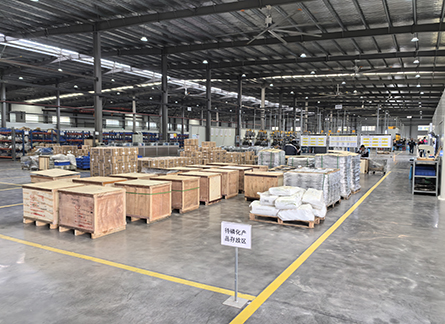
With over 6,500㎡ of warehouse facilities located in Ningbo, Qingdao, and Yiwu, we ensure that our clients enjoy seamless services, including easy access to product inspection, collection, and container loading. In addition to our own product lines, we provide free inspection services for goods sourced from our clients' other suppliers, helping them maintain quality standards across their entire inventory.
Ensuring absolute compliance with ISO 9001 and IATF 16949 parameters through comprehensive process tracing
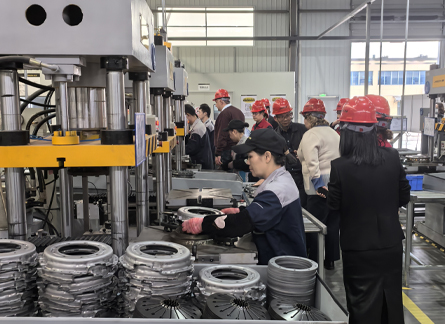
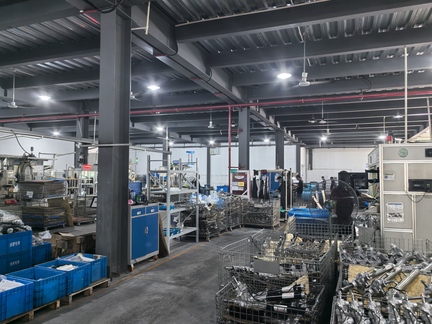
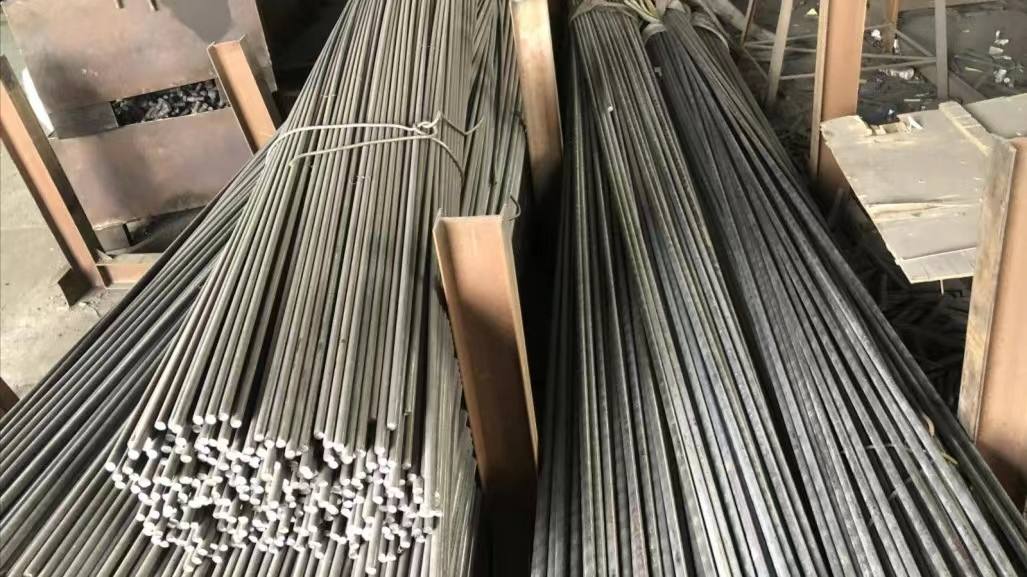
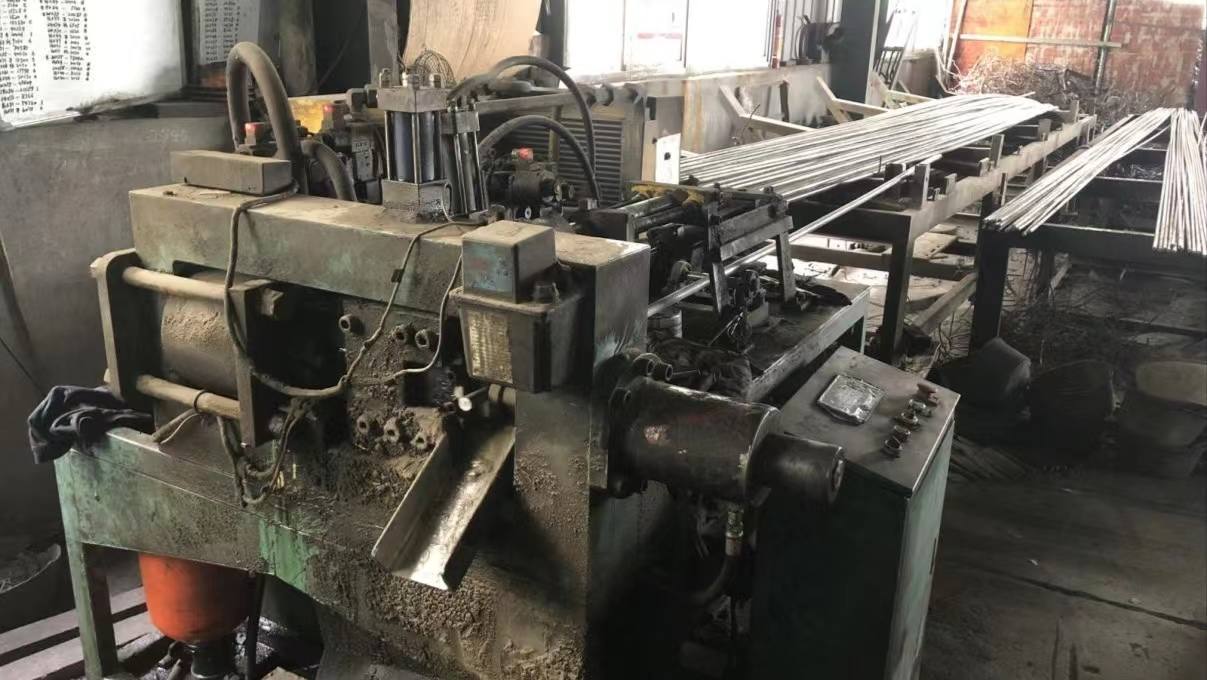
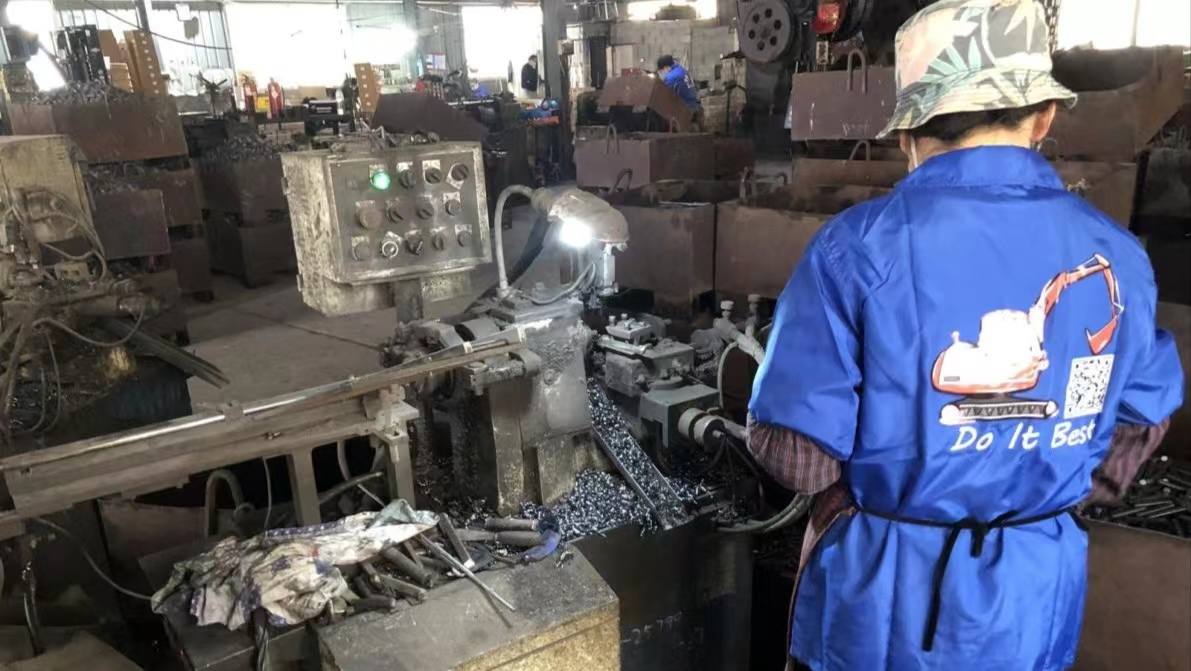
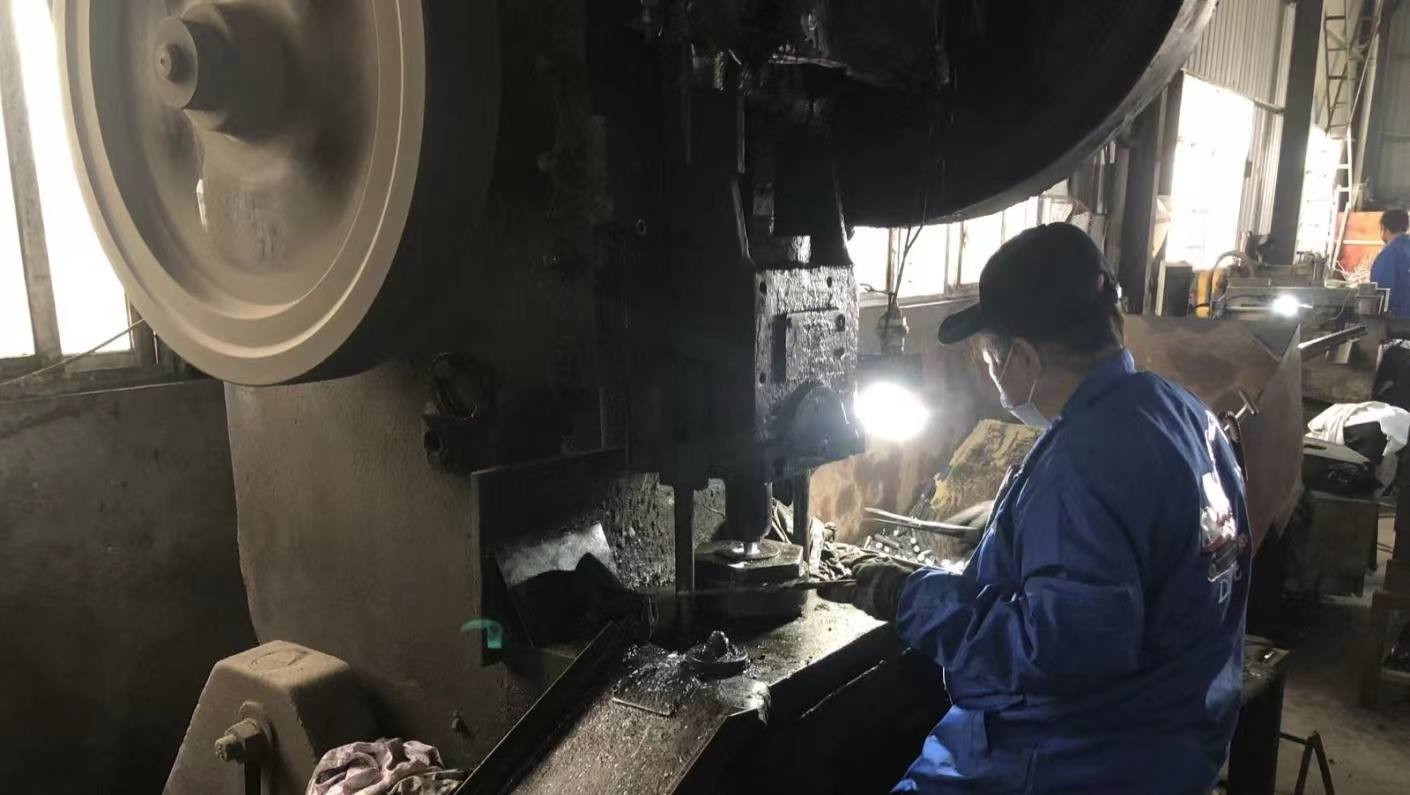
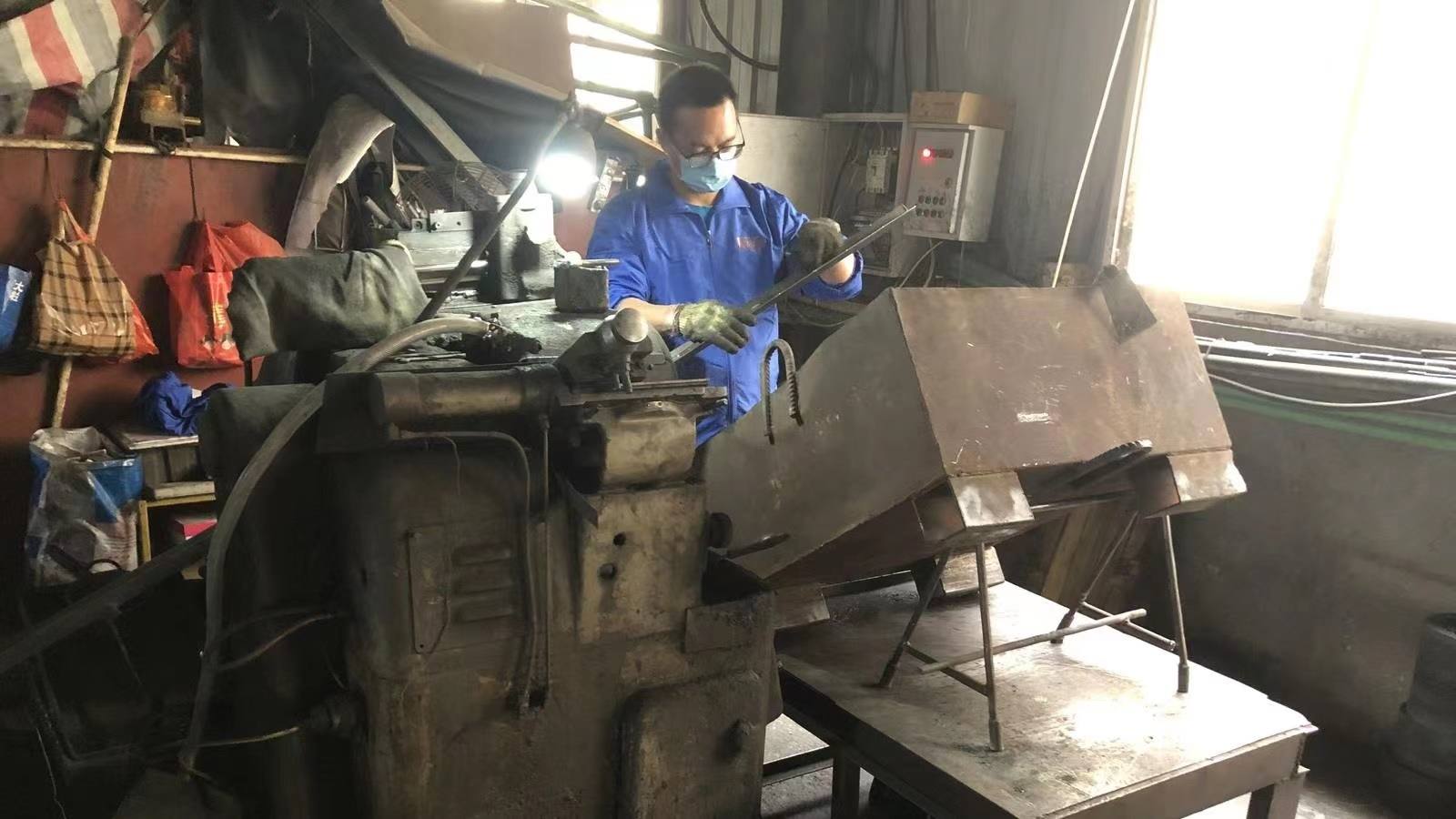
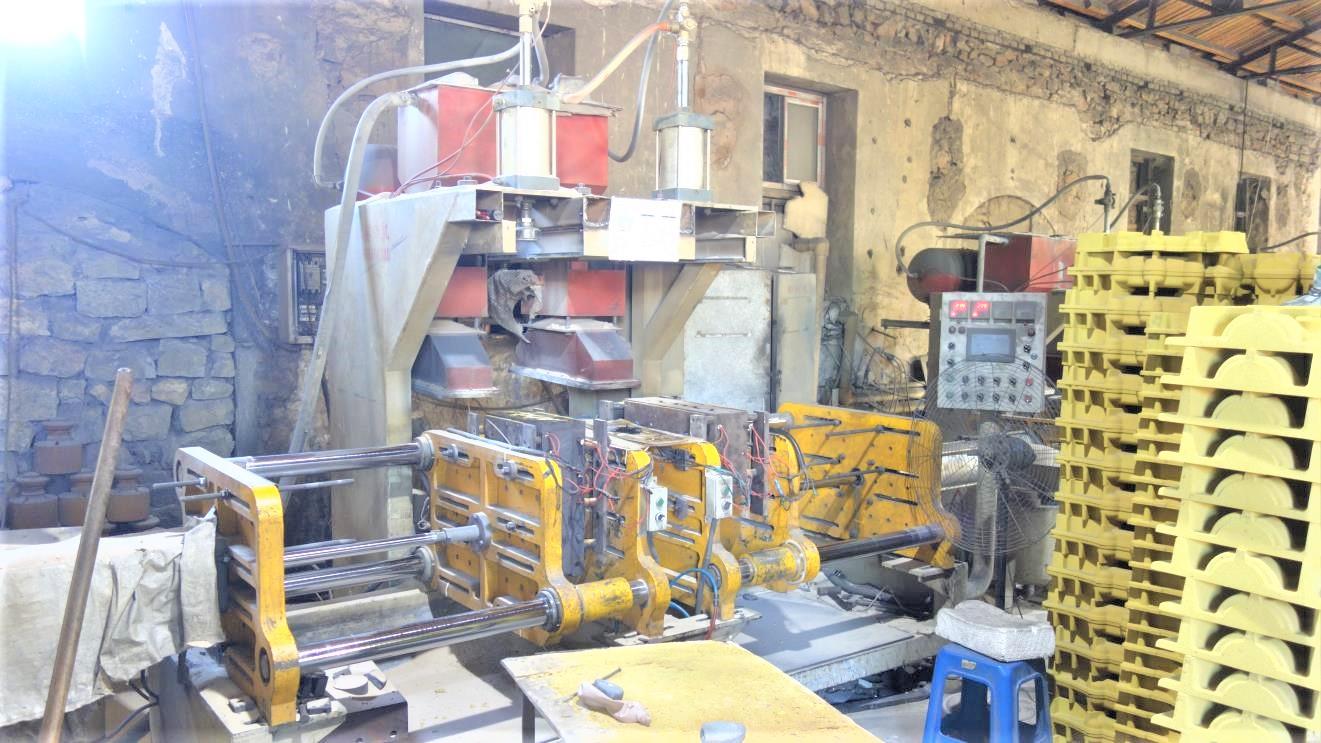
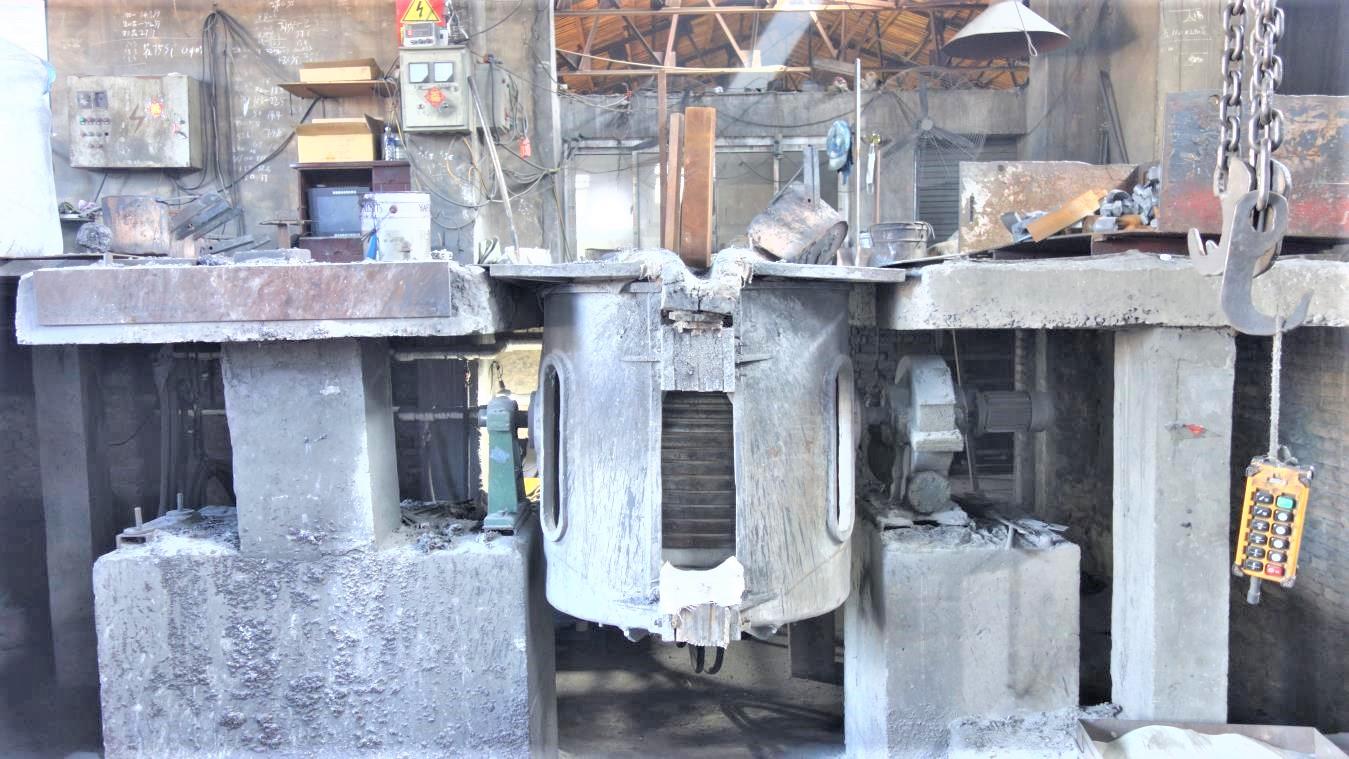
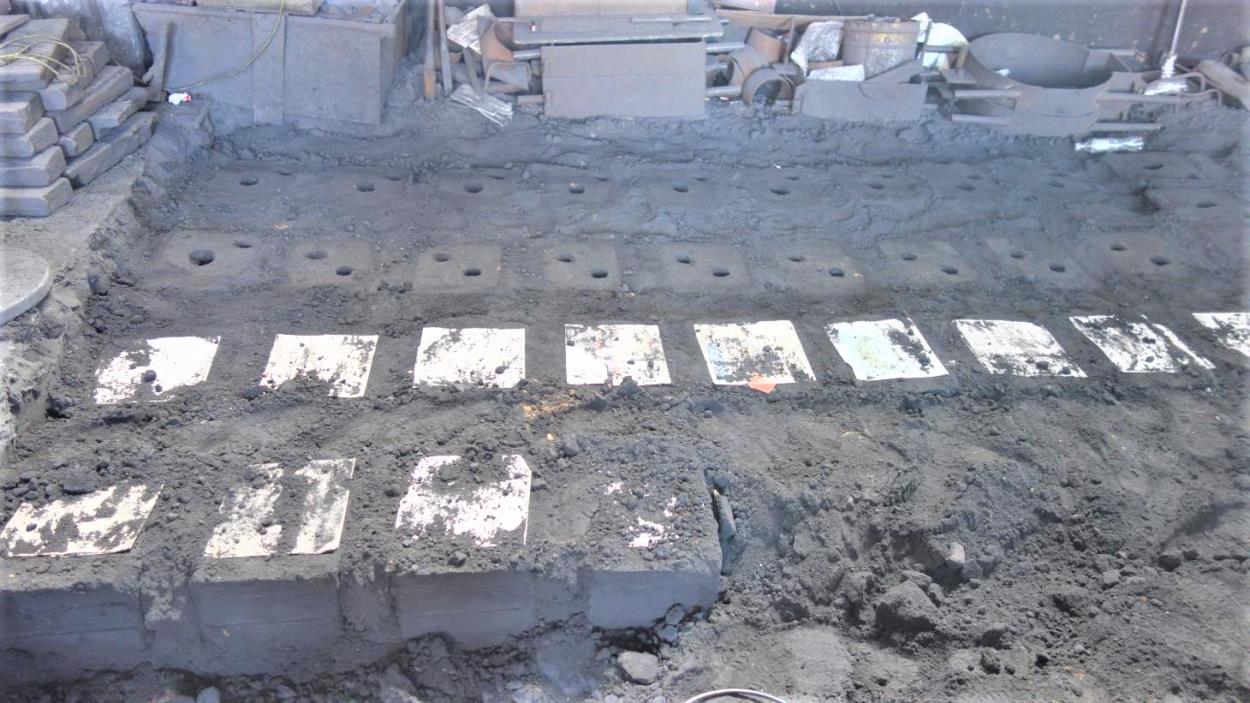
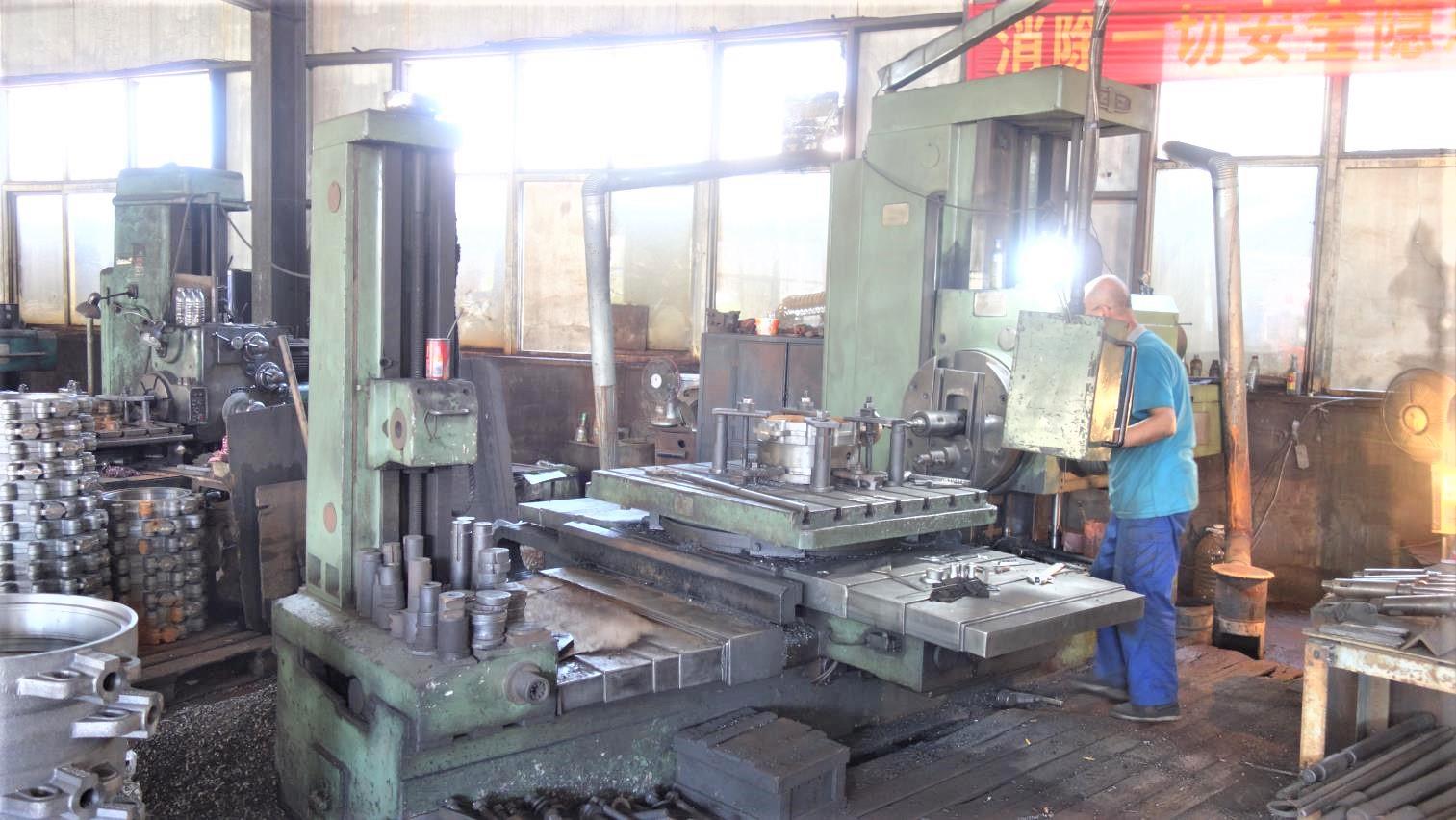
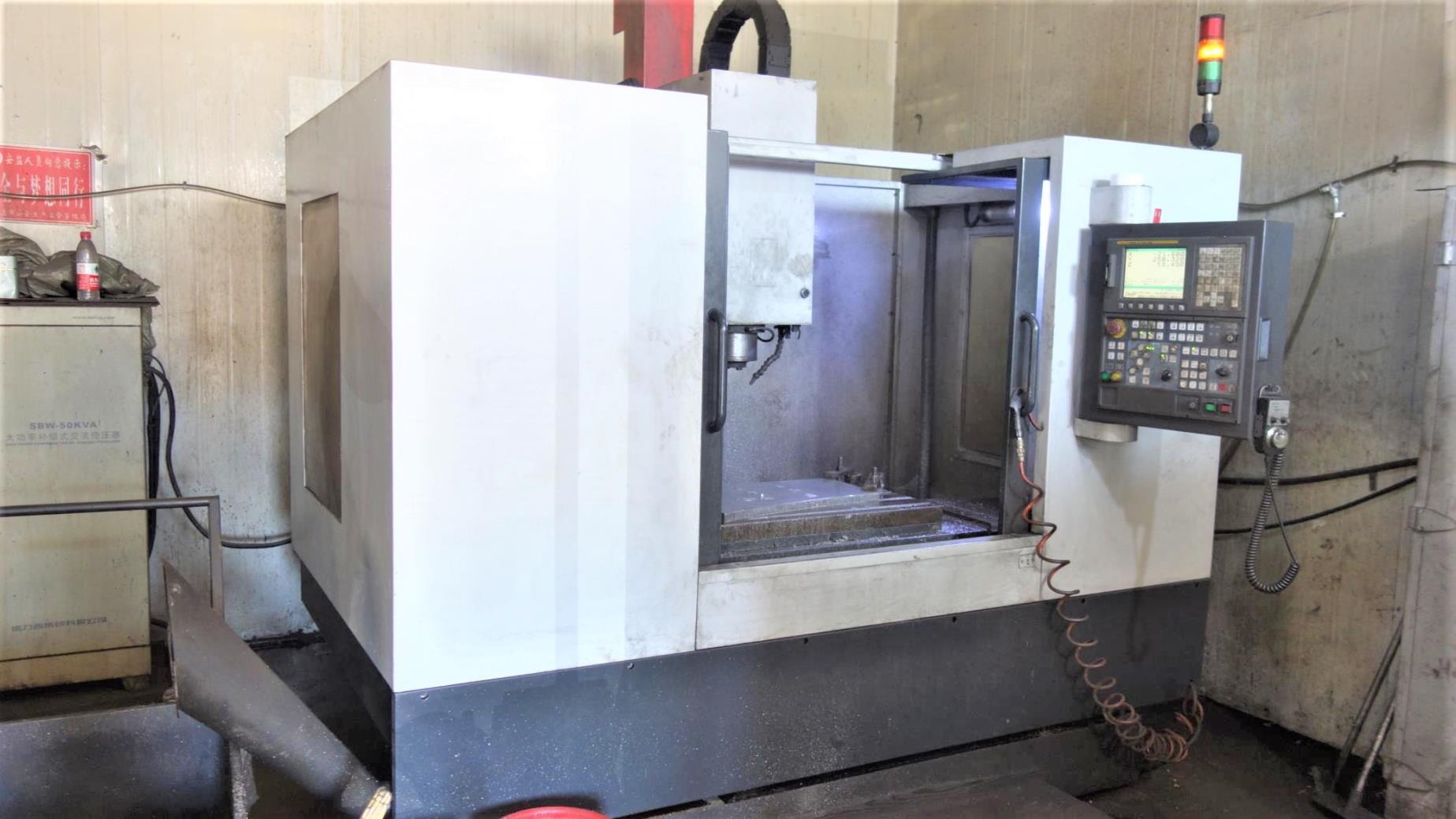
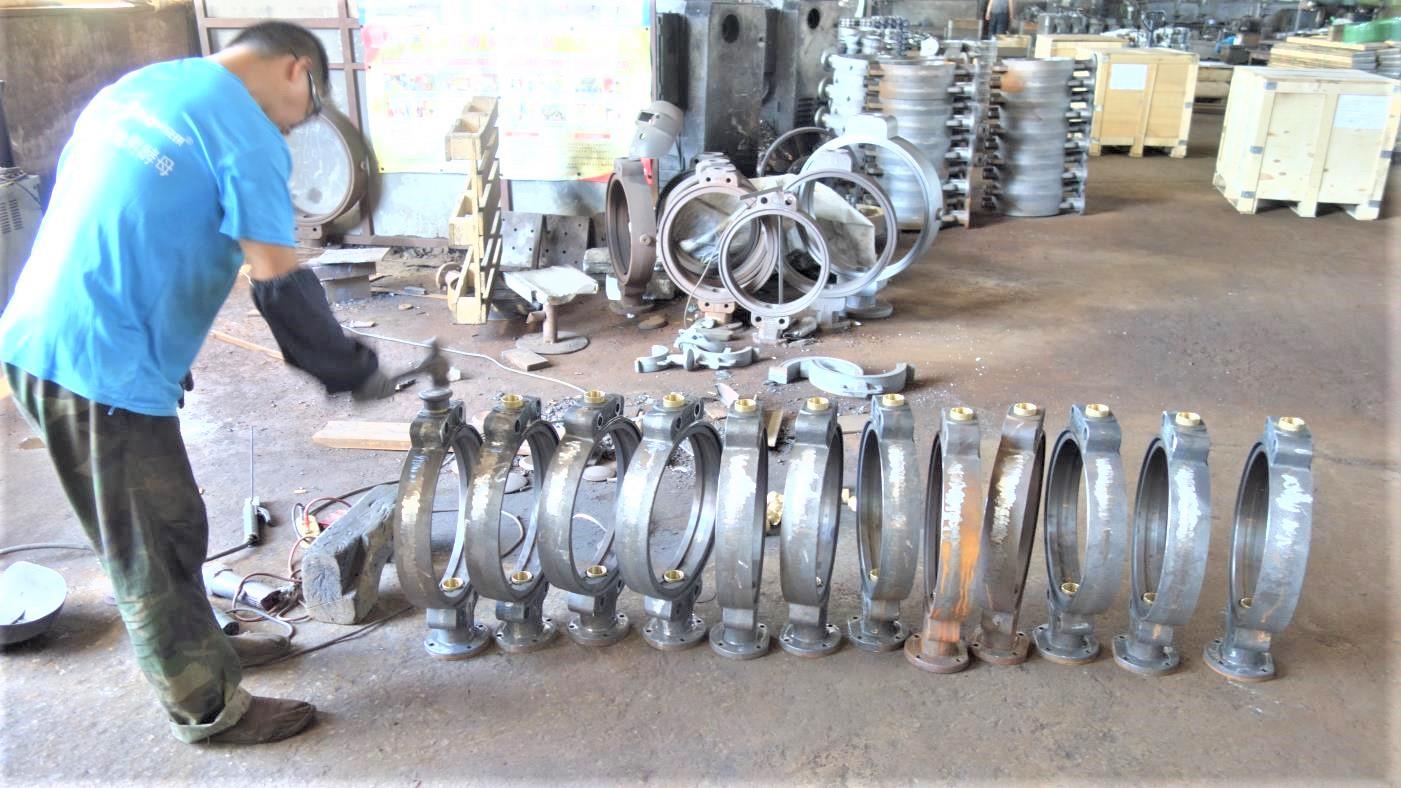
Our partner factories are equipped with cutting-edge machinery and advanced facilities, ensuring that we can maintain the highest standards of quality. The factories are staffed by highly-skilled technical teams who oversee each production process. Strict adherence to timelines and technical procedures guarantees that we develop new products effectively while maintaining quality. Each product undergoes thorough quality testing using a range of testing platforms and equipment before leaving the factory, ensuring that all products meet the exact requirements of our clients. To ensure the highest standards of service, our quality control team performs meticulous inspections of product quality and packaging. Detailed inspection reports are shared with clients, and shipments are only arranged once clients have approved the reports.
The global terminal industry is undergoing major shifts driven by dynamic regulatory trends:
1. Direct ROHS & REACH Compliance: Rapid legislative movements in Europe and North America demand alternative, high-performance lead-free terminal options. We are engineering tin-plated copper components that comply with hazardous material bans while retaining physical strength.
2. Smart Battery Terminals (SBT): In high-end micro-hybrid systems, the battery terminal integrates shunt resistors and sensor chips directly to monitor the state of charge (SoC), state of health (SoH), and localized terminal temperatures in real time. Zhejiang DC-Link Auto is closely tracking sensor integration to prepare our manufacturing lines for future smart energy systems.
How battery terminal systems interface with vehicle structural elements for sustained operational output
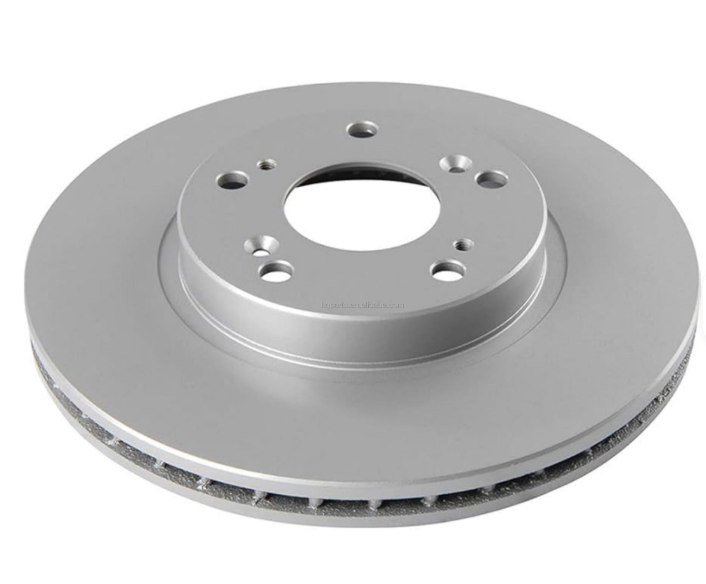
Automotive components operate as a linked ecosystem. Poor electrical grounding at the battery terminal directly impacts mechanical efficiency. For instance, irregular ground paths cause micro-arcing in suspension bushings and wheel bearings, leading to galvanic damage and control arm failures. Similarly, unstable terminal conductivity causes ignition drops, stressing spark plug coils and leading to premature injector failure.
By ensuring that the primary battery terminal remains secure, corrosion-resistant, and correctly sized, vehicle operators prevent diagnostic anomalies, optimize starter performance, and prolong the functional life of mechanical and electrical components.
At Zhejiang DC-Link Auto, we understand that electrical components cannot be isolated from mechanical wear. Our product range includes both precision structural parts and high-conductivity electrical connection elements to support stable engine operation and smooth ride dynamics:
Addressing core technical questions from B2B buyers, distributors, and fleet operations managers
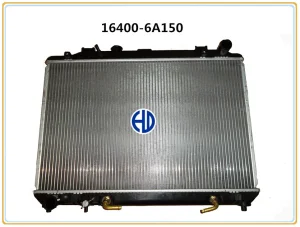
Premium replacement parts designed to ensure cooling efficiency and drivetrain reliability under demanding conditions
 DC-Link Auto