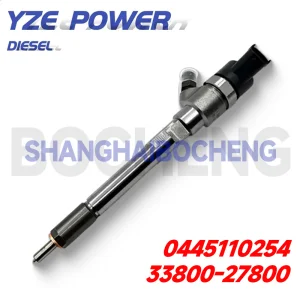
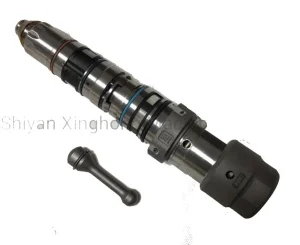
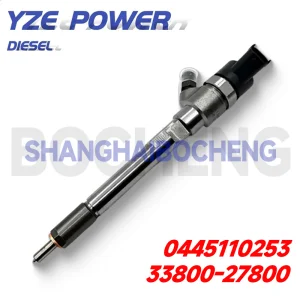
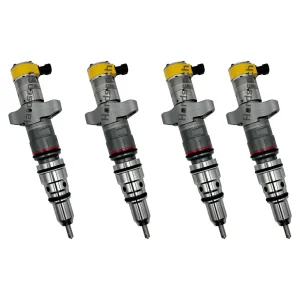
Ensuring maximum purity for high-pressure common rail injectors
The global fuel filter market is undergoing a radical shift toward High-Efficiency Particulate Air (HEPA) equivalent filtration. With the implementation of Euro VI and Stage V emission standards, the demand for filters capable of removing 99.9% of particles down to 2 microns has skyrocketed.
Leading manufacturers in China are now utilizing synthetic nano-fiber media. Unlike traditional cellulose, these fibers provide a larger surface area for contaminant capture without restricting fuel flow, essential for protecting sensitive common-rail systems.
From heavy-duty mining trucks to massive marine engines, the industrial sector requires fuel filters that can handle thousands of liters per hour while maintaining extreme purity levels to prevent catastrophic engine failure.
Zhejiang DC-Link Auto Co., Ltd. was founded in 2011 and is headquartered in Yiwu, Zhejiang, China—an international trade hub known for its rich experience in the automotive industry. With over 15 years of expertise in automotive parts, we specialize in a wide range of components, including engines, turbochargers, brakes, steering systems, suspension systems, transmissions, and cooling systems.
Our commitment to offering a comprehensive one-stop solution for auto spare parts sets us apart. We strive to simplify business transactions for our clients by providing flexible, comfortable, and dependable service, while consistently acting as a responsible business partner.
The roadmap to 2030 in fuel filtration technology
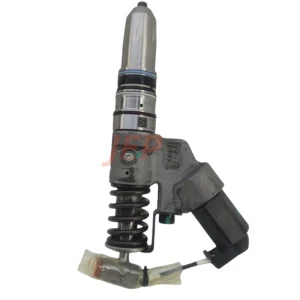
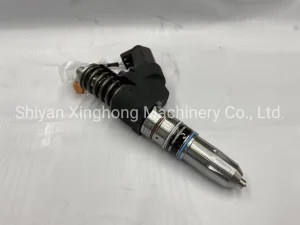
Modern diesel fuels, particularly biodiesels, are more hygroscopic. Advanced 3-stage water separation is now a requirement for global procurement teams to protect against corrosion in injectors like the Caterpillar C9 or Cummins QSM11 series.
The integration of RFID and pressure sensors within filter housings is an emerging trend. These "smart filters" notify fleet managers of maintenance needs in real-time, reducing downtime and operational costs.
Global demand is shifting towards "eco-friendly" element-only filters. By replacing just the filter media instead of the entire metal canister, factories are helping clients meet environmental ESG goals while lowering shipping costs.
With over 6,500㎡ of warehouse facilities located in Ningbo, Qingdao, and Yiwu, we ensure that our clients enjoy seamless services, including easy access to product inspection, collection, and container loading. In addition to our own product lines, we provide free inspection services for goods sourced from our clients' other suppliers.
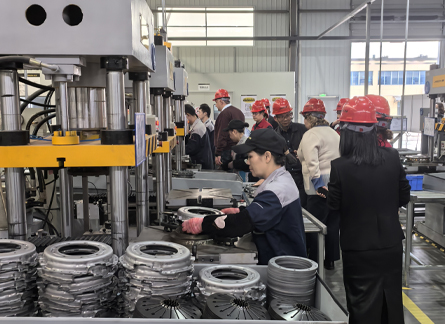
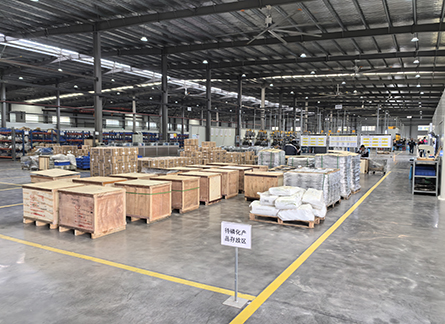
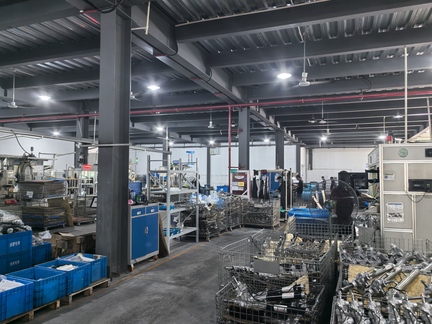
Our company is certified under the ISO 9001 quality management system, and our partner factories hold additional certifications such as IATF 16949, CE, and TS16949. Each product undergoes thorough quality testing using a range of testing platforms and equipment before leaving the factory.
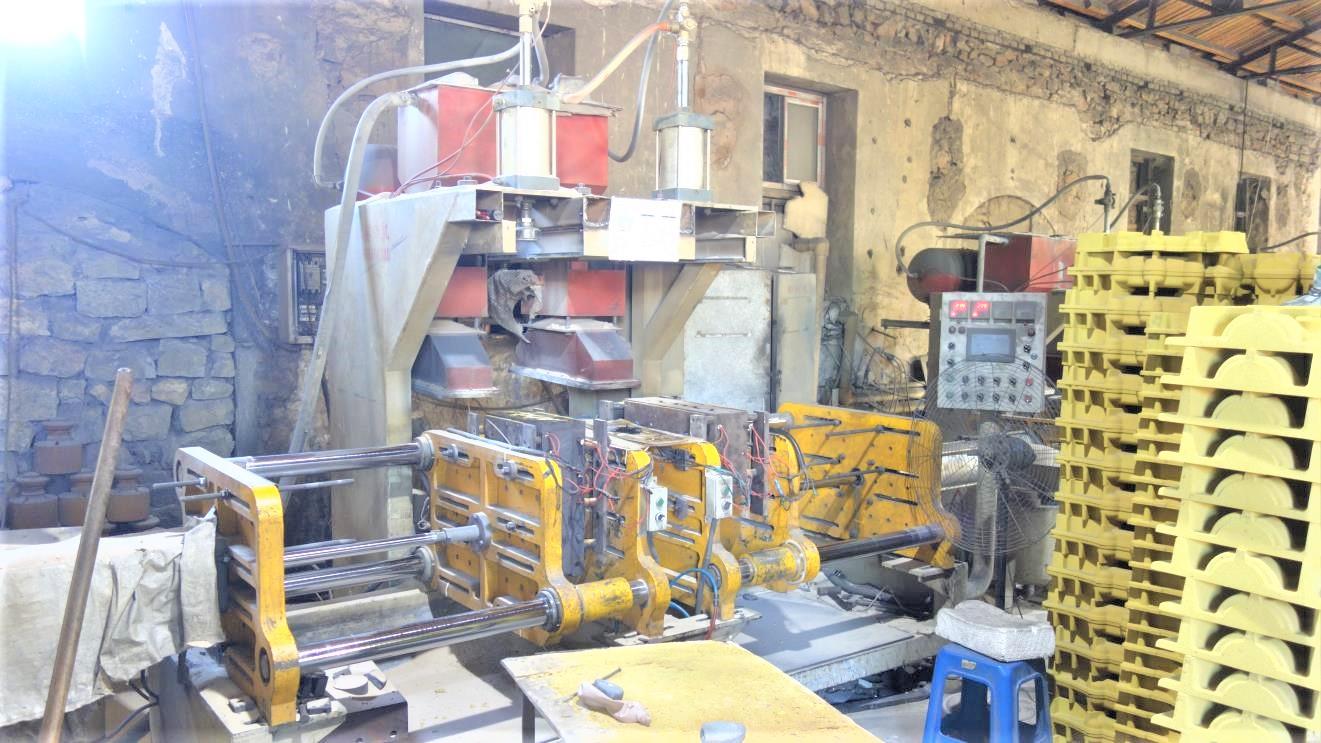
Core Shooting
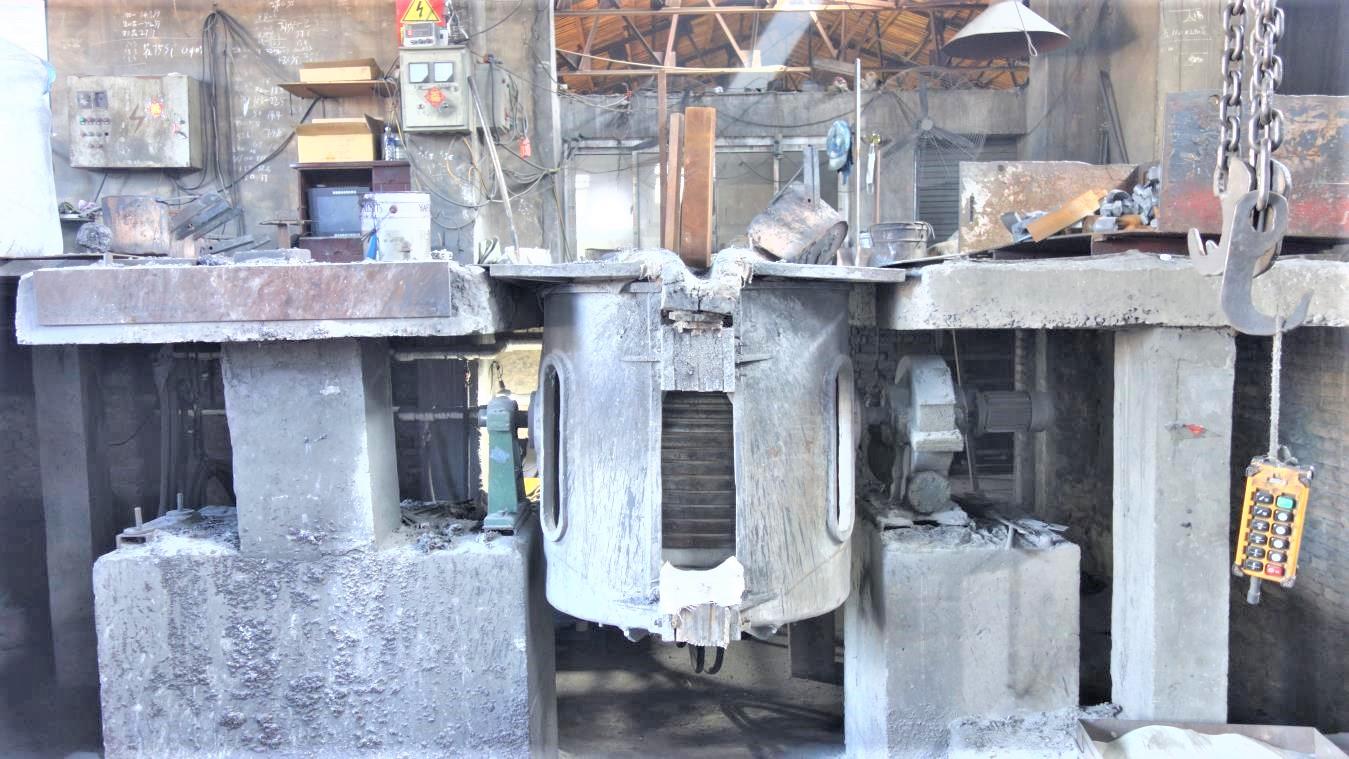
Smelting Furnace
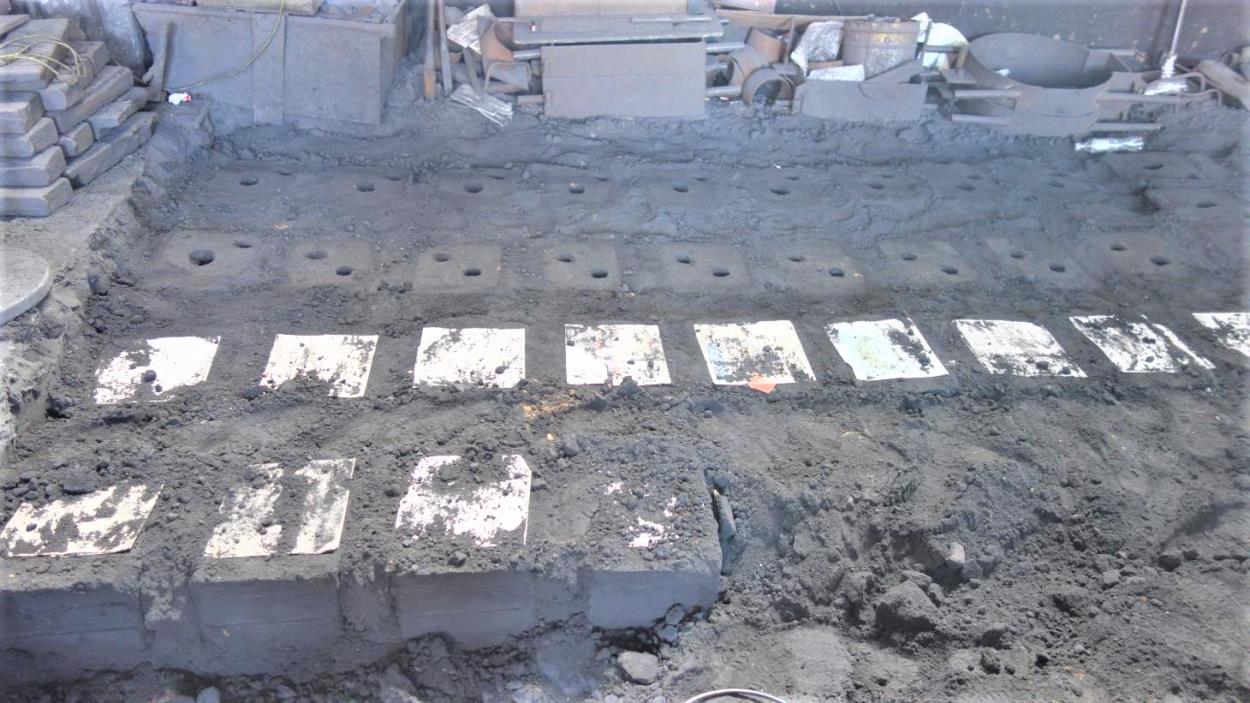
Forming
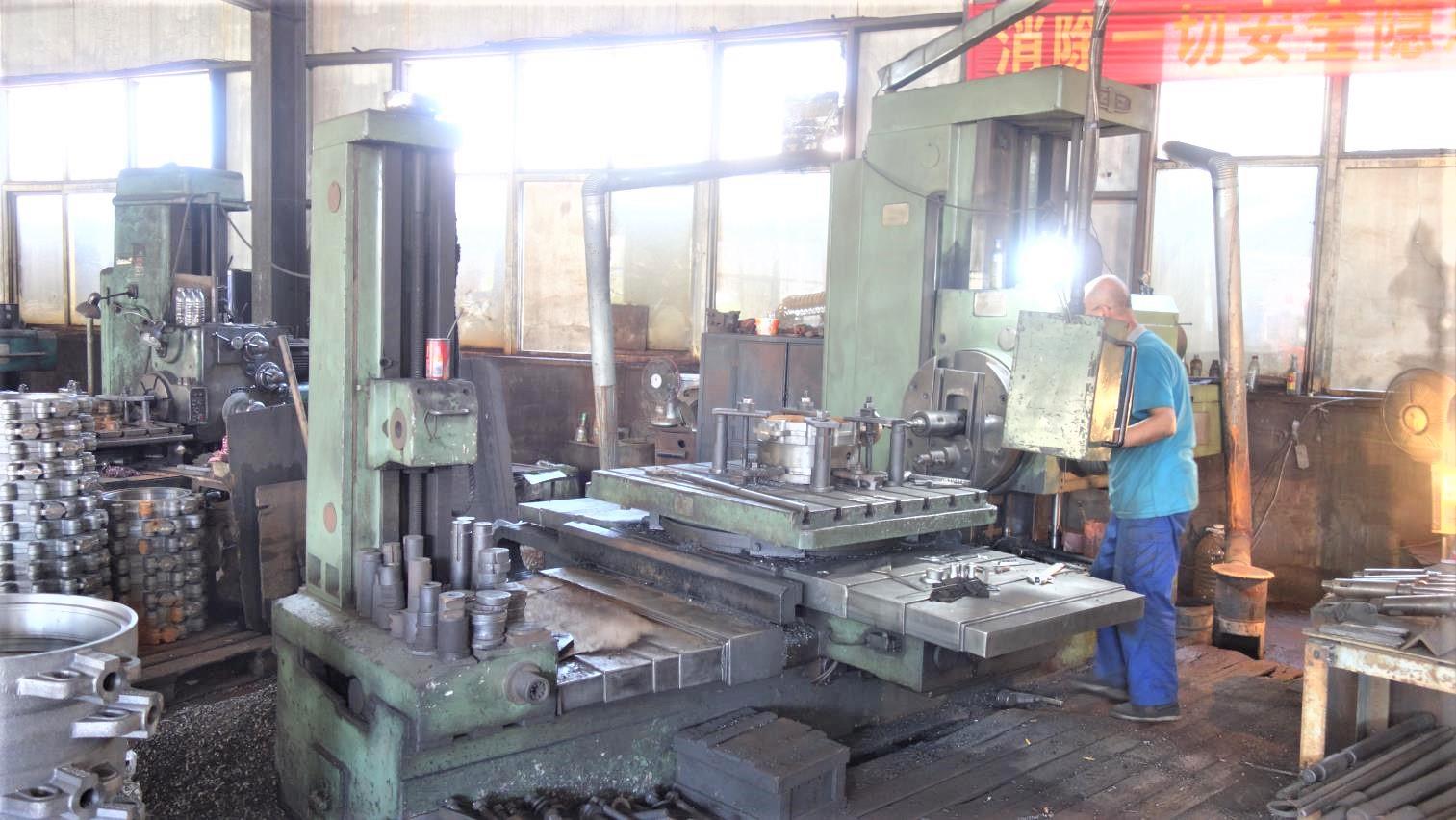
Milling
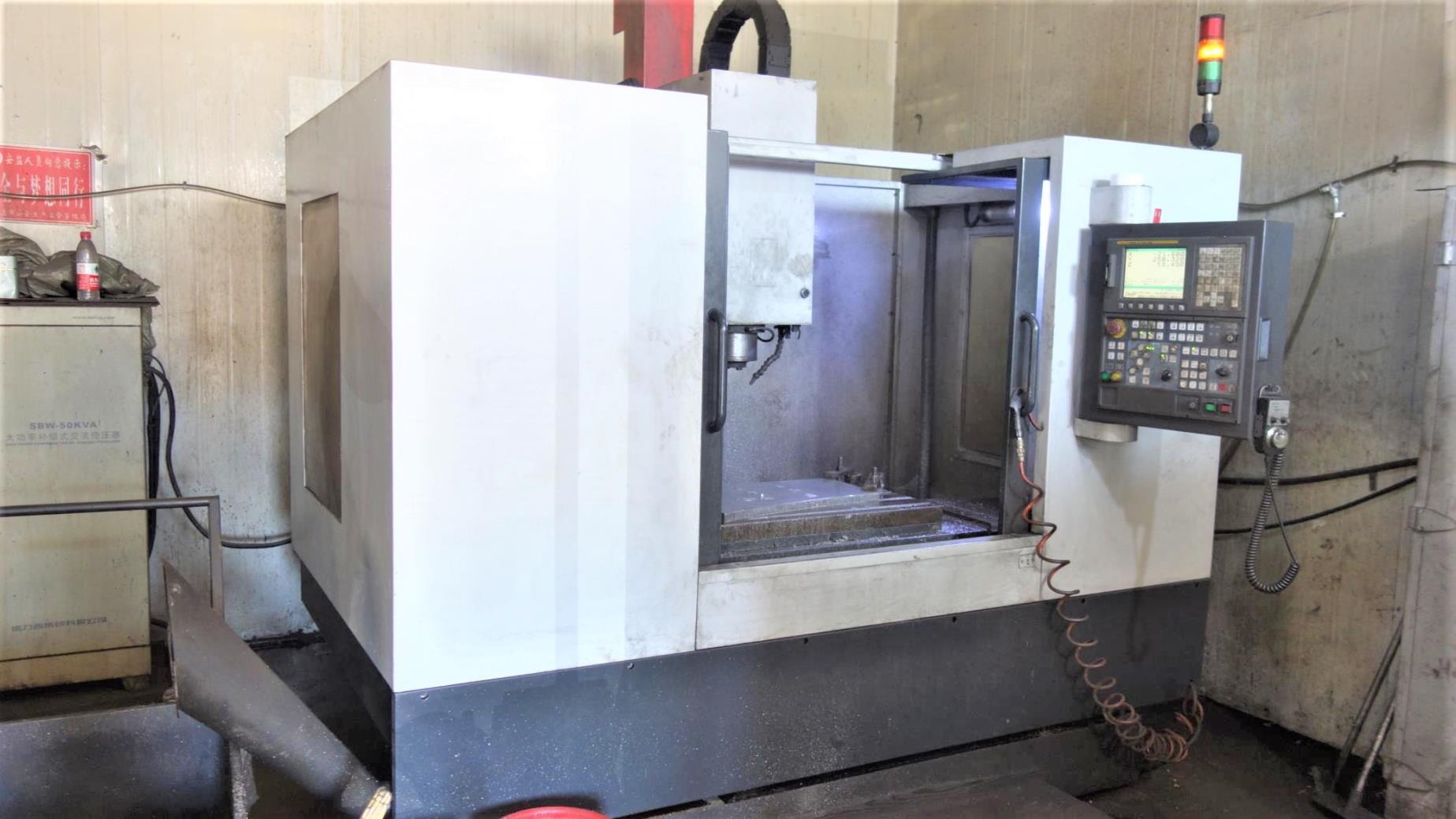
Machining
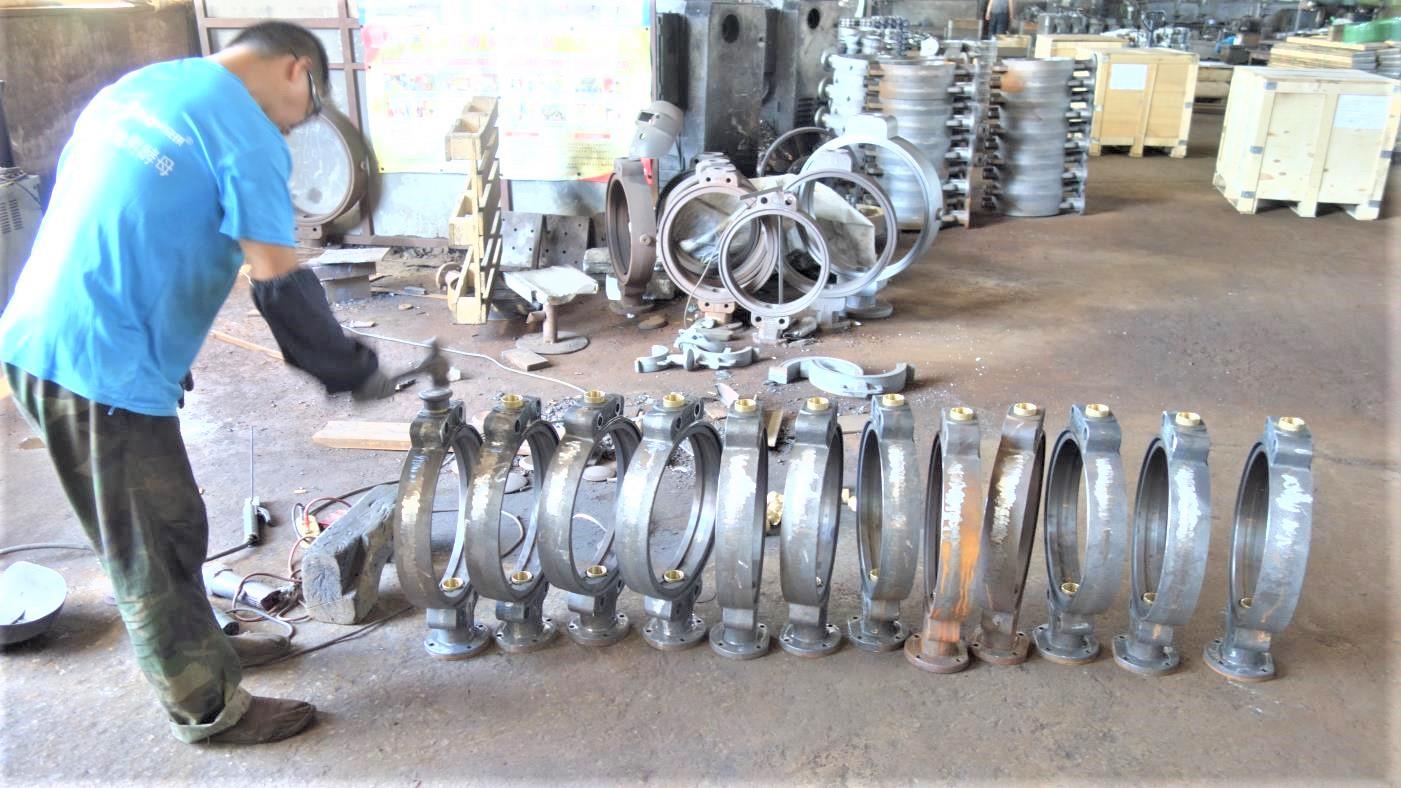
Assemble
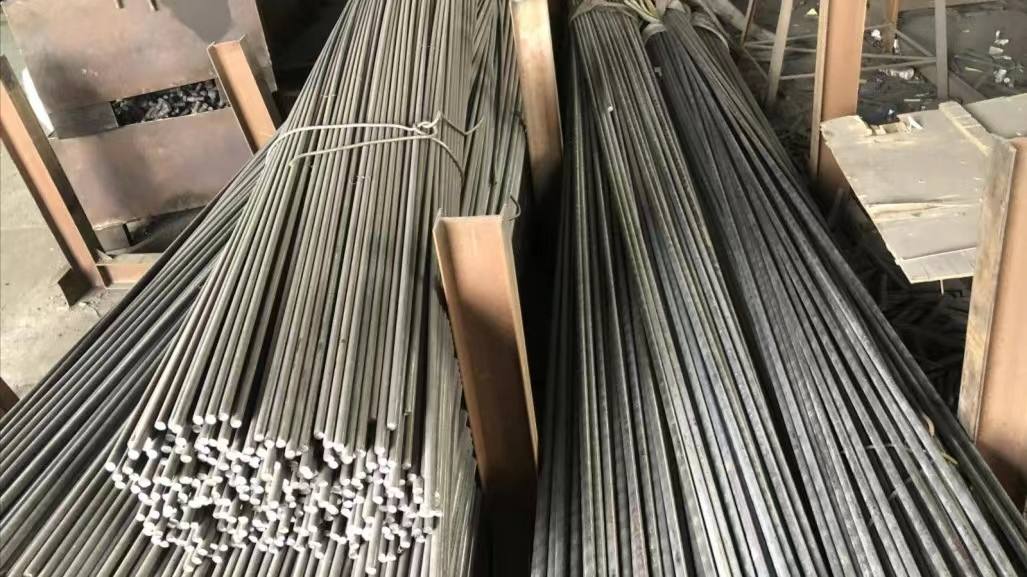
Raw Material
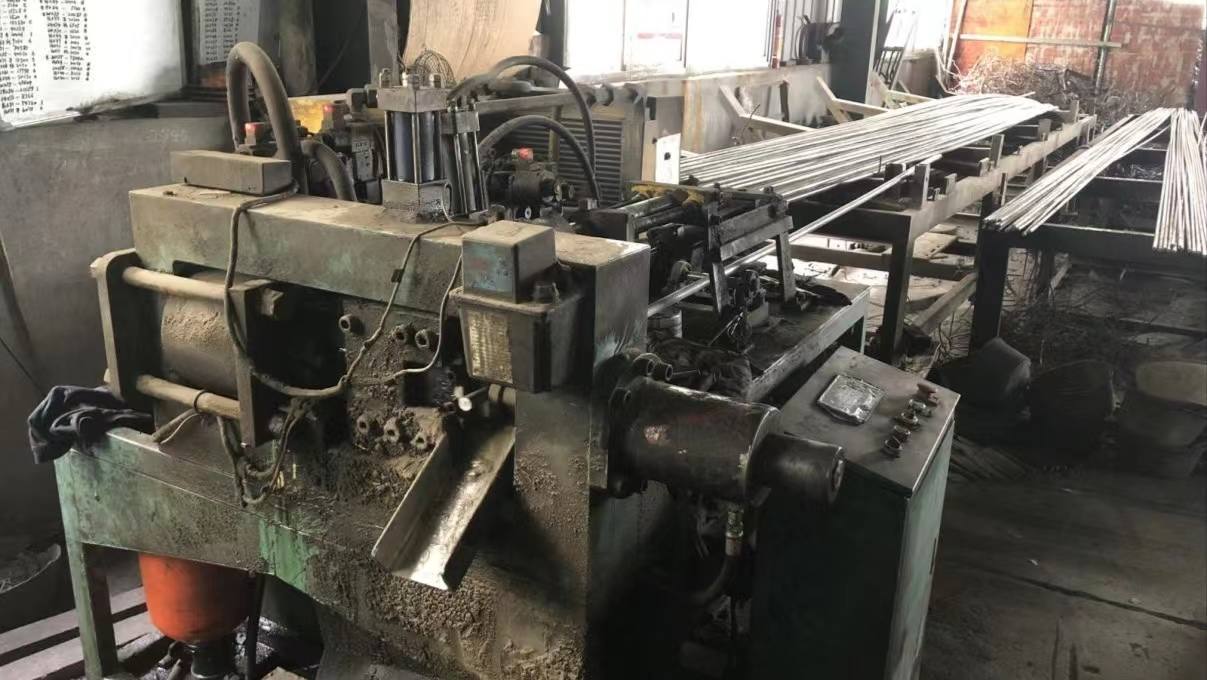
Cutting
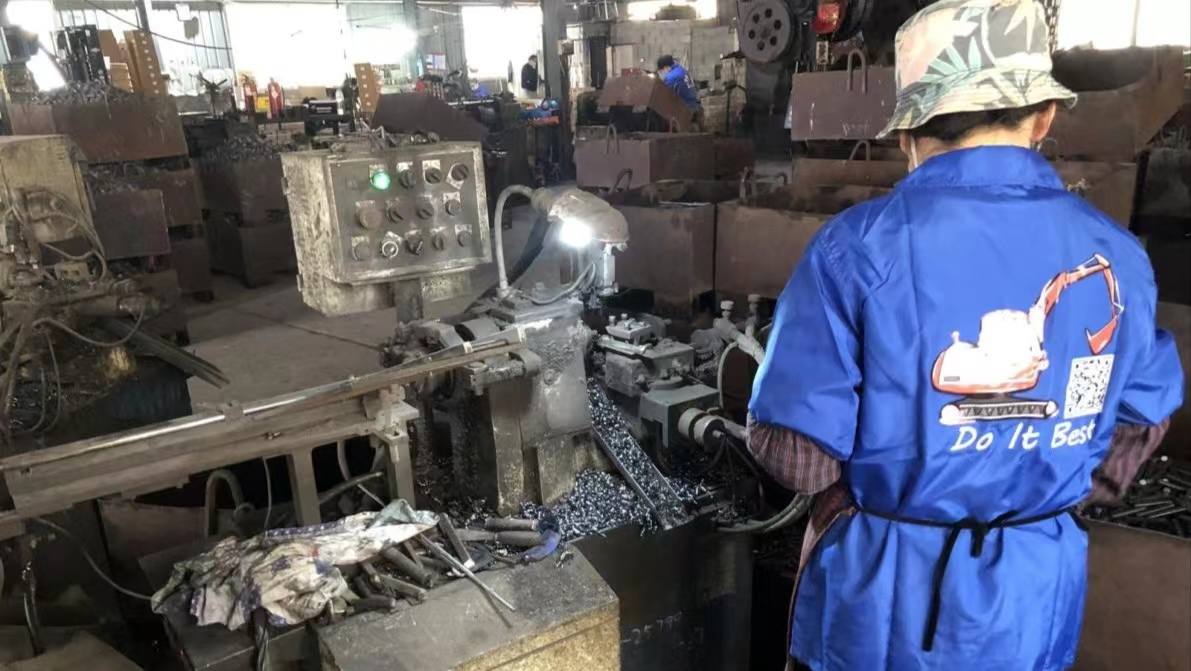
Chamfering
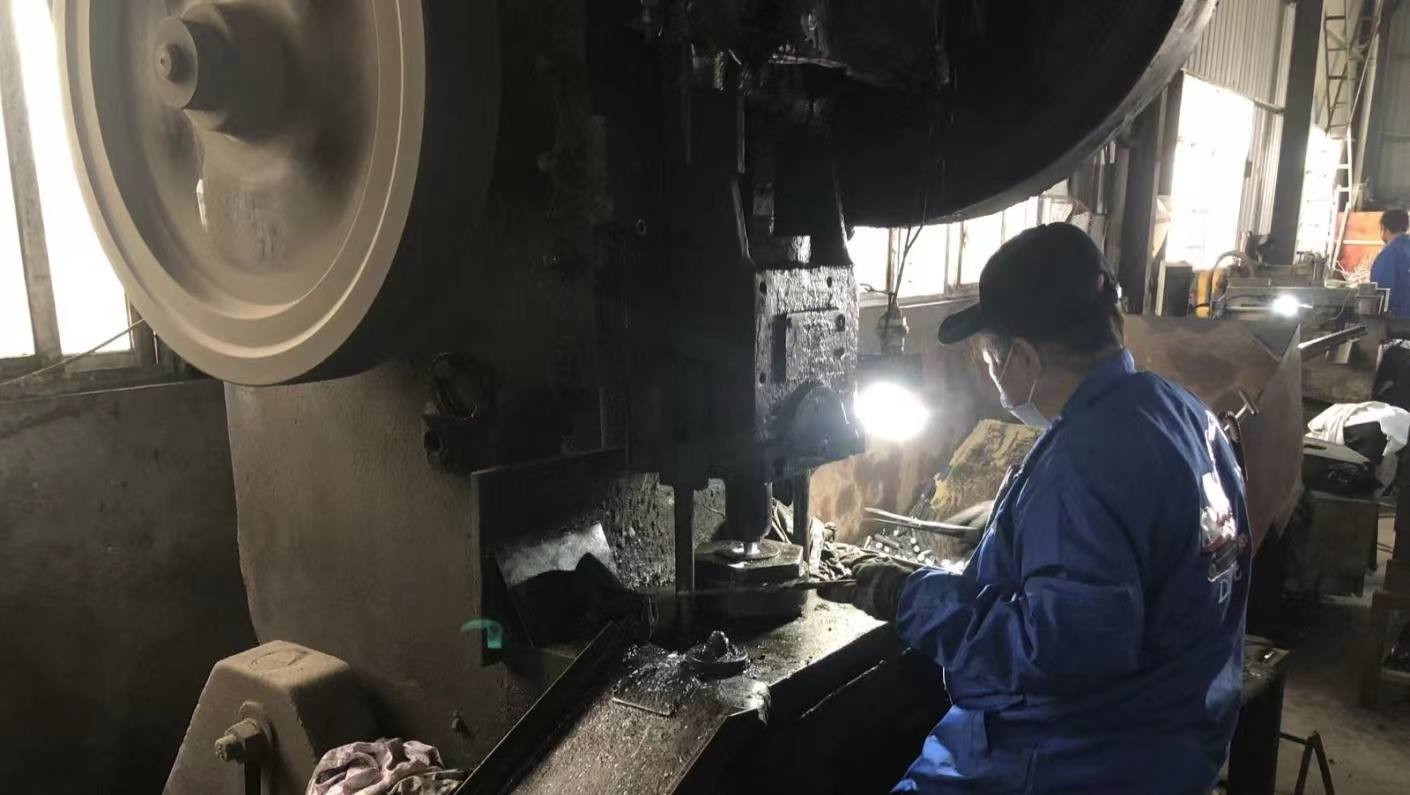
Punching
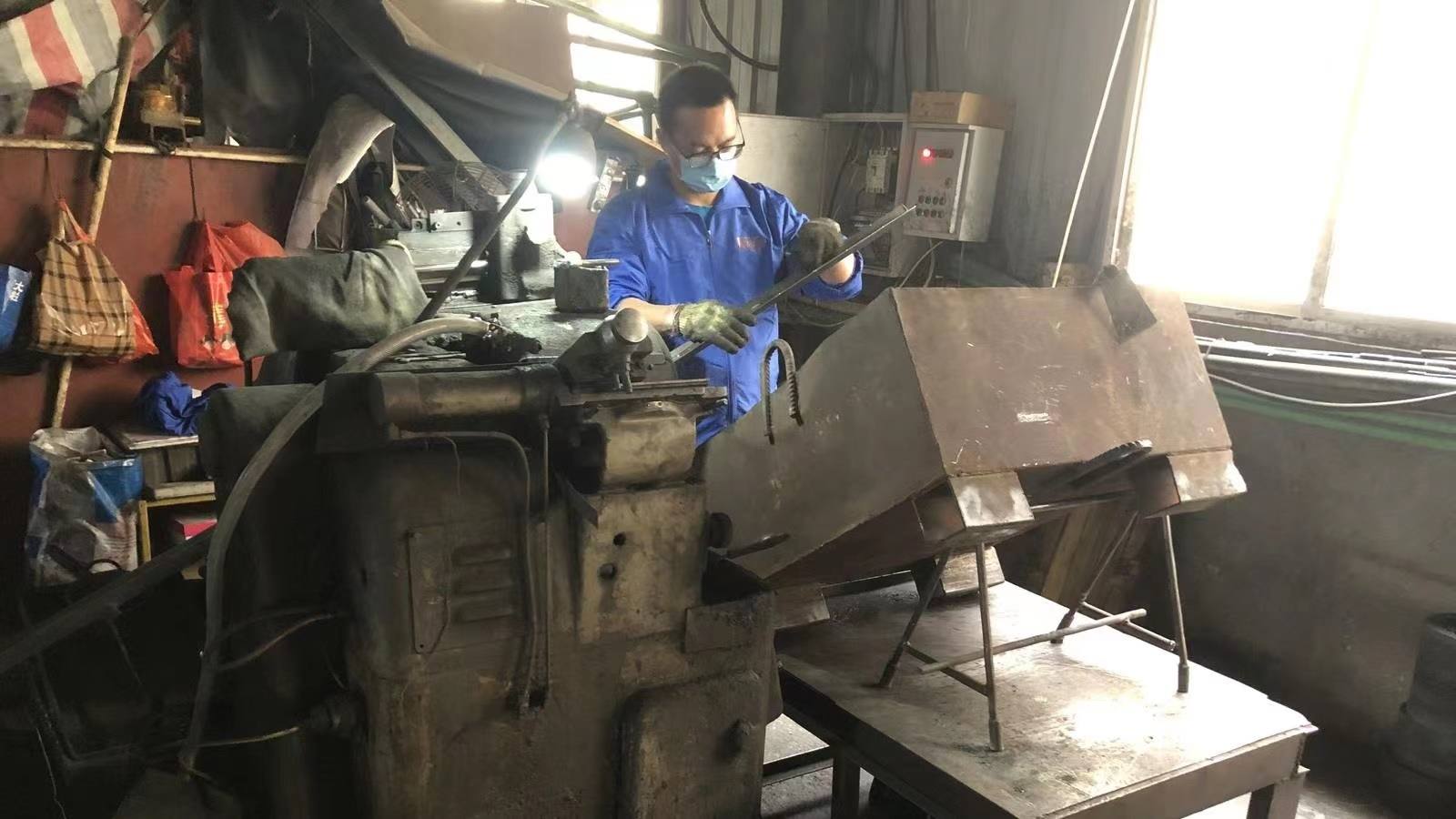
Grinding
Leveraging the world's most robust automotive supply chain
Through economies of scale and vertically integrated supply chains, China manufacturers offer premium filtration products at 30-50% lower costs compared to European or American counterparts without compromising on material quality.
Zhejiang DC-Link Auto specializes in rapid prototyping. We can develop customized filtration solutions for rare engine models or specific local fuel conditions within weeks, not months.
Located in Yiwu/Ningbo, we utilize the world's busiest ports to ensure your inventory is replenished quickly. Our 6,500㎡ warehouse allows us to maintain stock of critical parts for immediate dispatch.
High-dust environments require heavy-duty filtration. Our filters are designed for Excavators and Caterpillar Engines, featuring rugged housings that resist vibration and impact.
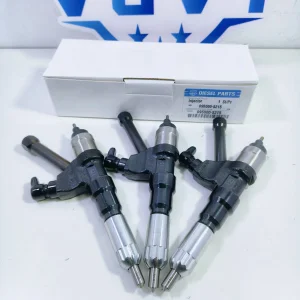
Field tractors often deal with varying fuel quality. We provide multi-stage water separators that protect the Hyundai and Hino engines used in global agricultural equipment.
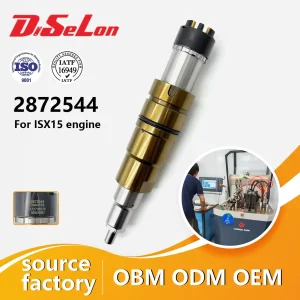
For trucking fleets using Cummins X15 or QSM11 engines, our fuel filters ensure extended service intervals, reducing the Total Cost of Ownership (TCO) for logistics companies.
 DC-Link Auto