Product Description
TRADITIONAL RADIATOR WORK PROCESS
1 tube making → 2 fin making → 3 material cleaning → 4 core assembly → 5 brazing → 6 connectors welding → 7 tanks welding → pressure test → painting → package
NEW STYLE RADIATOR WORK PROCESS
1 tube making → assembly → connectors welding → tanks welding → pressure test → painting → package
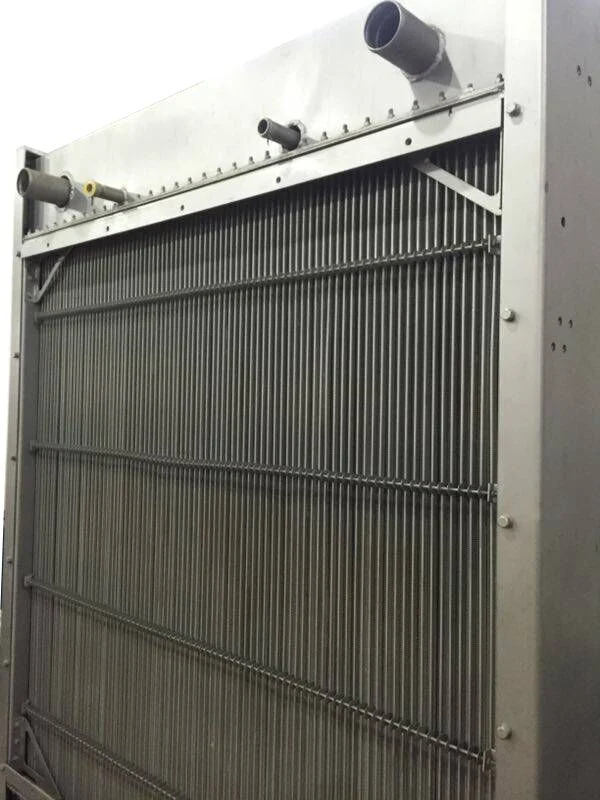
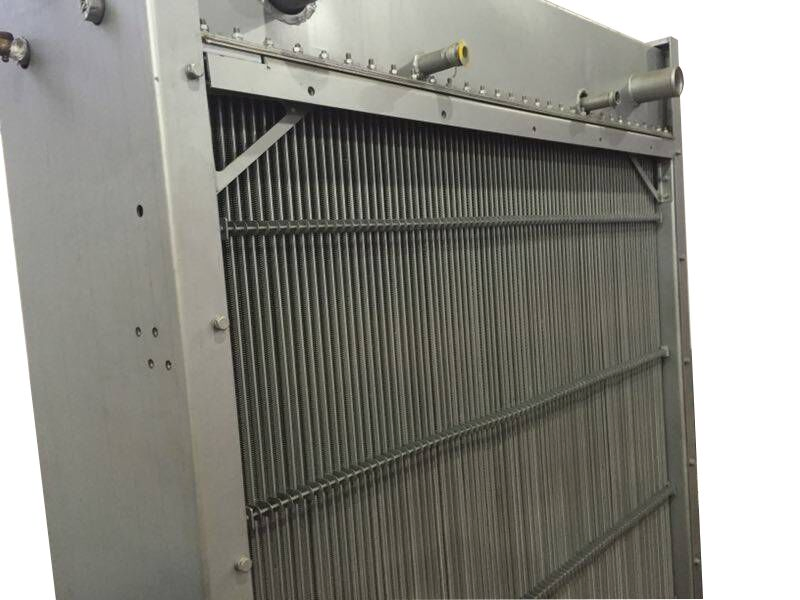
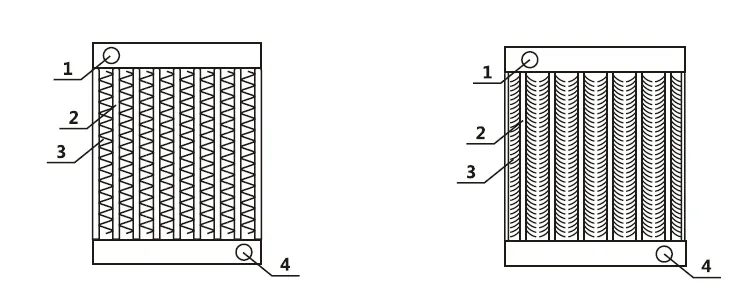
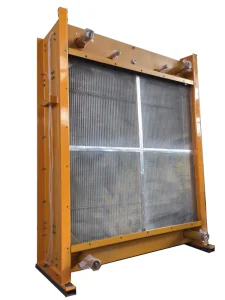
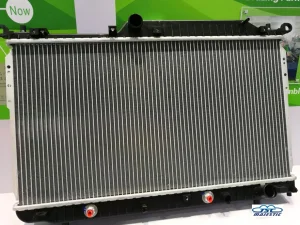
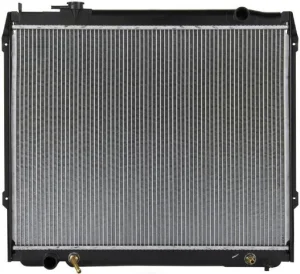
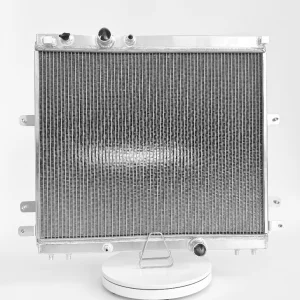
TRADITIONAL RADIATOR (Left) vs NEW STYLE RADIATOR (Right)
Traditional Radiator Issues
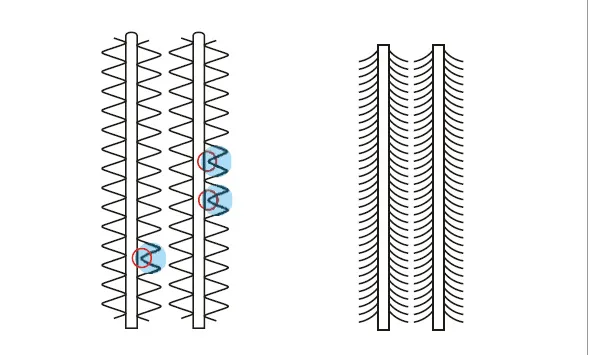
- Solder creates thermal resistance between tube and fin.
- Brazing process cannot ensure 100% coherence (invalid heat transfer areas).
- Reduced heat rejection efficiency.
- Uses 3003 & 4004 aluminum alloy; fragile and prone to leakage during vibration or transport.
New Style Radiator Advantages
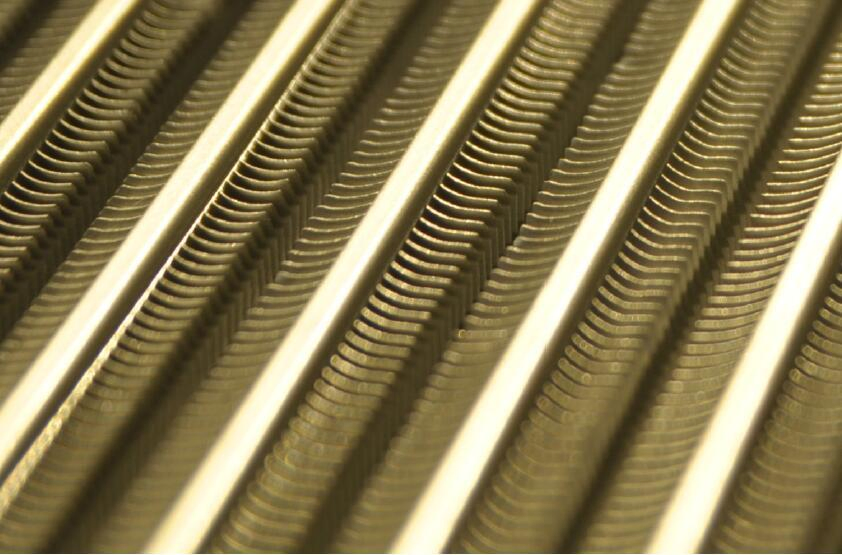
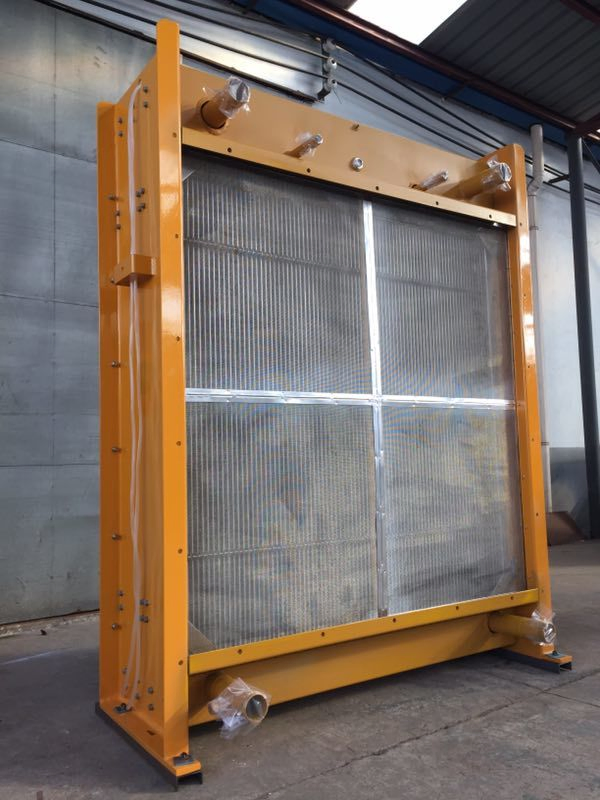
- Integration Design: Fin and tube integration avoids thermal resistance.
- High Conductivity: Superior heat transfer without brazing quality issues.
- Enhanced Performance: Heat rejection rate increases by 10-20% in same dimensions.
- Durable Material: Made of Aluminum Alloy 6063, tough and long-lasting.
Frequently Asked Questions
Q: What is the main benefit of the integrated fin and tube design?
A: It eliminates thermal resistance between components and increases the heat rejection rate by 10-20% compared to traditional radiators.
Q: Can I use high-pressure water to clean the radiator?
A: Yes, our new style radiator is durable enough to be cleaned with a high-pressure water gun without damaging the fins.
Q: What environments is this radiator suitable for?
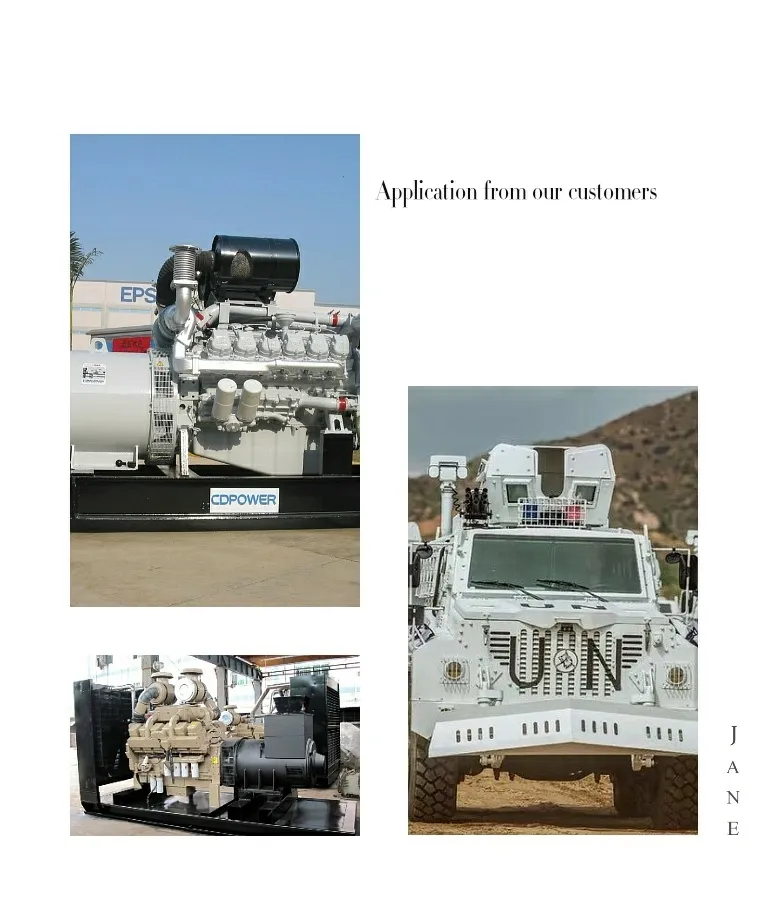
A: It is specifically designed for harsh environments, including deserts, highlands, and forests, due to its robust 6063 aluminum alloy construction.
Q: What is the maximum pressure this radiator can handle?
A: It can withstand internal fluid pressure up to 100 bar, making it highly reliable for heavy-duty generator use.
Q: What is the maximum size you can manufacture?
A: We can produce radiators with maximum dimensions of 4000mm * 4000mm * 236mm.
 DC-Link Auto